


Brown Timber Bookshelf
These brown timber bookshelf pieces offer practical storage with rich grain, bringing warmth and character to any room.
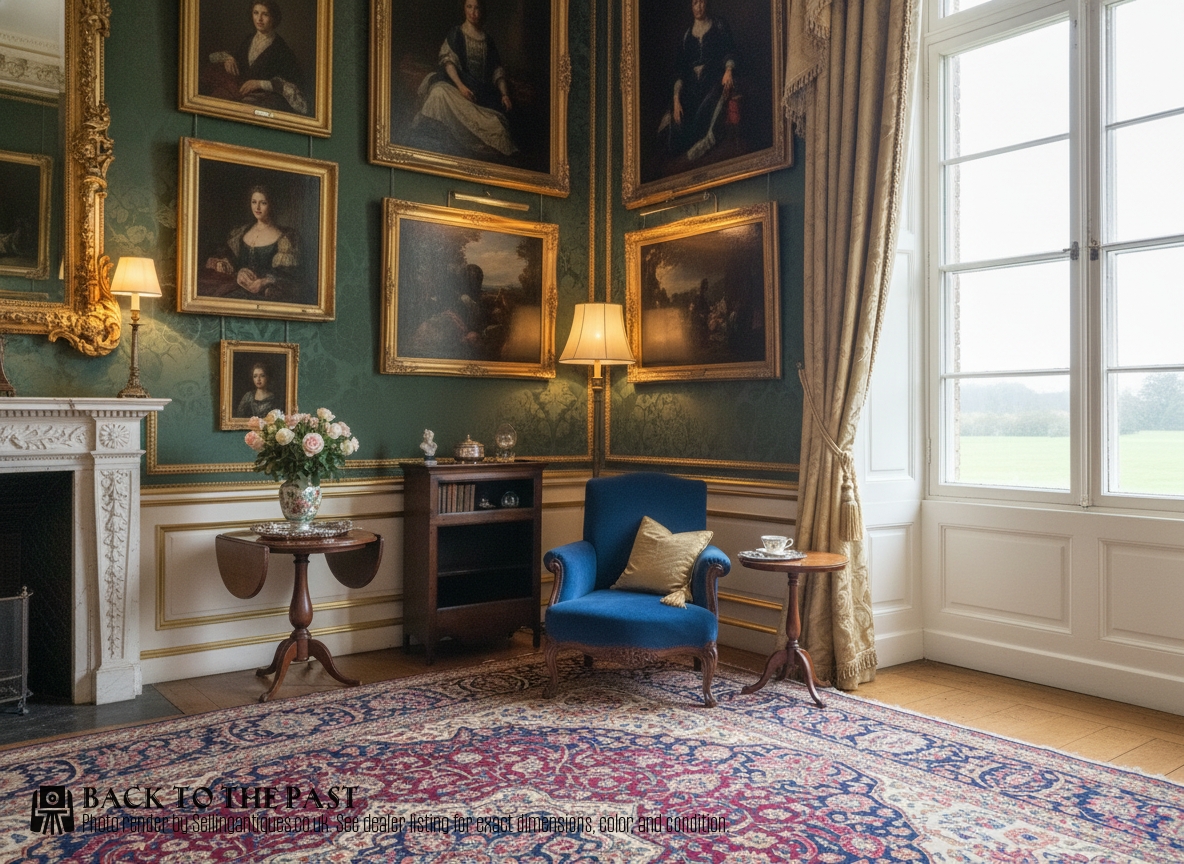
Brown Timber Bookshelf
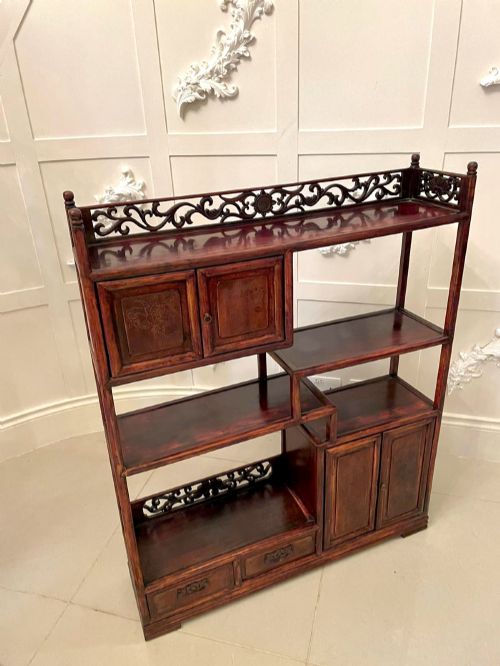
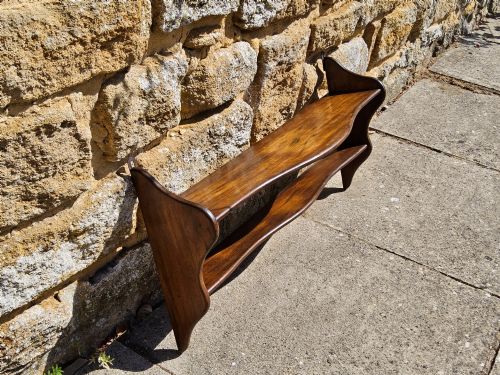
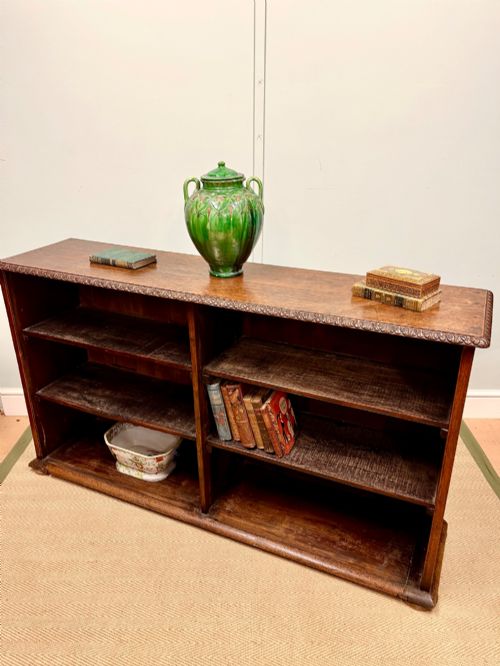
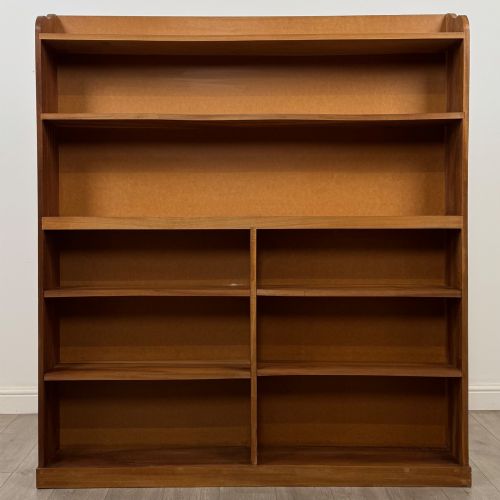
A brown timber bookshelf provides open or cabinet-enclosed shelving for organising volumes, typically taking the form of bookcases, display cabinets, wall shelves, or whatnots. The brown timber bookshelf examples seen here span periods such as the nineteenth century, Edwardian era, and Victorian times, alongside specific dates like eighteen eighty and nineteen ten.
Origins and regional styles vary notably across the selection, encompassing French provincial designs, Chinese Qing style items, and Anglo-Indian padouk furniture. Such diversity allows a brown timber bookshelf to fit traditional period interiors as well as more eclectic spaces.
How they were made
Construction relies on solid timbers and veneers, with oak, walnut, hardwood, teak, and pine forming the primary structural bodies. Makers also utilised stained pine and painted finishes to achieve different surface appearances.
Metal elements appear in specific forms, with brass hardware integrated into cabinetry for structural and decorative effect. Carved detailing adorns pieces such as the teak bookcase, while other items utilise walnut veneer over secondary woods.
Some nineteenth century booksellers apparently kept a padouk whatnot nearby just to impress wandering scholars with exotic timber.
What varies in quality
Quality differences stem from the choice of timber and the precision of construction, where solid hardwoods and carefully matched veneers distinguish finer examples. The presence of hand carving, such as that found on Anglo-Indian or Chinese Qing style pieces, elevates the craftsmanship significantly above standard utilitarian items.
Proportion and scale also dictate the appeal of a brown timber bookshelf, with diminutive or small proportion items demonstrating a finer attention to balancing height and depth. The integration of period specific hardware, like brass fittings, adds further refinement to the construction.
The Brown Timber Bookshelf Glossary
- Bookcase
- A piece of furniture with horizontal shelves for storing books. These are often open-fronted or fitted with doors.
- Whatnot
- An open multi-tiered piece of furniture used for displaying ornaments or books. They frequently feature slender corner posts supporting several graduated shelves.
- Walnut veneer
- A thin layer of walnut wood applied to a base timber surface. This technique creates decorative grain patterns while maintaining structural stability.
- Waterfall bookcase
- A set of open shelves that step back progressively from bottom to top. The sides typically follow this descending profile.
- Padouk
- A heavy tropical hardwood valued for its durability and rich reddish-brown colour. It responds well to carving and detailed joinery.
Brown Timber Bookshelf: Frequently Asked Questions
What is a brown timber bookshelf?
A brown timber bookshelf is a piece of furniture designed for holding books, constructed from woods such as oak, walnut, teak, or pine. These items range from simple wall shelves to large open bookcases and cabinets.
They serve both functional storage and display purposes, incorporating regional styles from French provincial to Anglo-Indian designs.
How do I date a wooden bookcase?
Dating relies on observing construction methods, timber types, and stylistic indicators associated with periods like the Victorian era or nineteen ten. Structural clues and secondary woods often point to a specific decade of manufacture.
Cabinetry details and hardware styles further help narrow down the historical context of the piece.
Where should I place a whatnot?
A whatnot works well in corners or against living room walls where its multi-tiered shelves can hold books or small decorative objects. Their open construction suits spaces that require lighter visual weight.
Smaller variants also fit comfortably in hallways or bedrooms for accessible storage.
Are walnut veneer shelves durable?
Walnut veneer surfaces provide lasting strength when applied to stable hardwood or pine cores by skilled makers. The technique allows for decorative grain patterns without compromising the structural integrity of the shelving.
Proper environmental conditions help preserve the veneer over decades of daily use.