



Dutch Wooden Bucket
A dutch wooden bucket brings solid nineteenth-century warmth to a fireside or hallway, built for warmth or plants.
Dutch Wooden Bucket
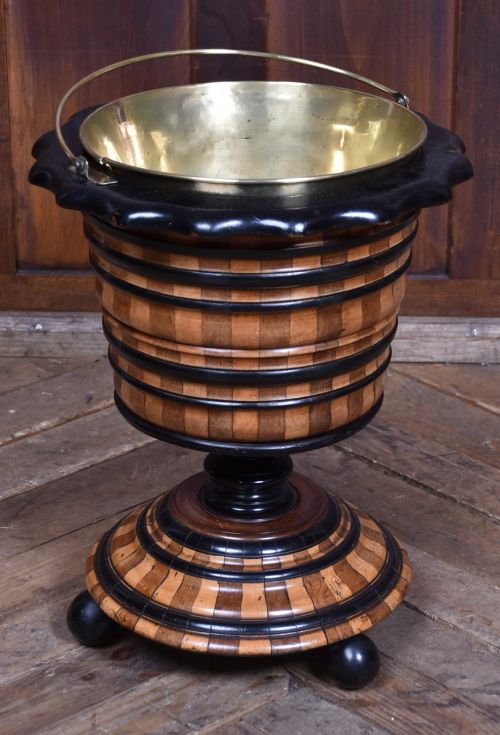
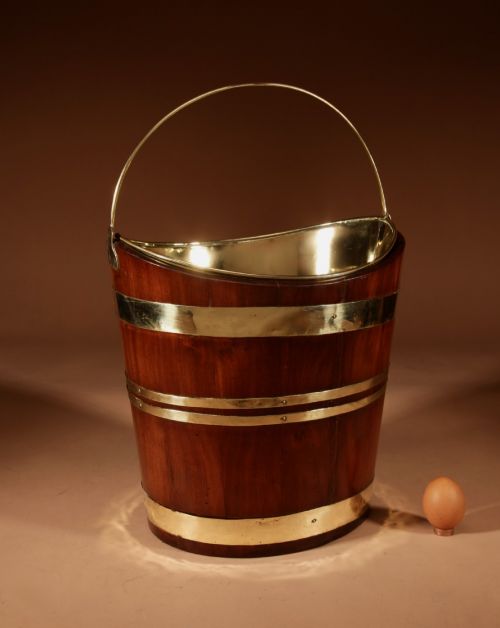
When you search for a dutch wooden bucket, you encounter nineteenth-century vessels made for practical domestic tasks like holding peat, tea, or butter. The most common forms on this page are coopered planters, jardinieres, and peat buckets shaped from mixed hardwoods.
These items frequently carry the label of teestoof or schuitje, reflecting their original purpose beside the hearth or stove. They span several styles from the nineteenth century, including Dutch traditional, colonial, and empire designs.
Makers shaped these containers using dense timbers like mahogany, teak, walnut, and ebonised wood. Their primary function has shifted over time from holding fuel or food to serving as decorative jardinieres and wine coolers in modern rooms.
How they were made
The construction relies on traditional coopered wood techniques, binding individual staves together tightly with heavy brass bands. Artisans turned and shaped hardwoods such as teak, mahogany, and walnut to form sturdy cylindrical and boat-like hulls.
Makers added polished brass liners and mounts to protect the wood from moisture when used as planters or jardinieres. Ebonised wood and mixed hardwoods provided deep colour contrasts, while turned details on the timber surfaces added refined texture.
Dutch Wooden Bucket Retail Price Guide 2026
Typical asking prices for dutch wooden bucket among the pieces listed under this phrase on Sellingantiques today, from the lower quarter to the upper quarter. They describe what is for sale here now, not the wider market.
Listings feature nineteenth-century materials including brass, mahogany, ebonised wood, teak, and walnut across styles from Dutch colonial to empire.
What varies in quality
Quality rests upon the selection of timber and the precision of the cooper's jointing work across the staves. Pieces fashioned from solid mahogany or teak show greater durability than those built from simpler mixed hardwoods.
The weight and finish of the brass mountings and liners distinguish standard utility items from finely shaped boat-form examples. Artisans who paid attention to turned wooden profiles and tight brass binding produced objects with a heavier, more substantial presence.
The Dutch Wooden Bucket Glossary
- Coopered wood
- Construction method using curved wooden staves bound together by metal hoops to form a watertight vessel. This technique formed the basis for barrels, tubs, and buckets.
- Teestoof
- Dutch term for a foot stove or tea stove container used near the hearth. These vessels often housed embers or warming equipment.
- Jardiniere
- An ornamental pot or stand designed to hold growing plants or flowers. They frequently appear in brass-bound wood during the nineteenth century.
- Schuitje
- A boat-shaped vessel style utilised for peat buckets and tea stoves. The curved outline mimics the hull of a small watercraft.
- Ebonised wood
- Timber treated with a dark stain or finish to imitate true ebony. This process provided a dense black surface popular in nineteenth-century cabinetmaking.
Dutch Wooden Bucket: Frequently Asked Questions
What were dutch wooden buckets used for?
These containers served practical domestic functions around the nineteenth-century hearth, holding peat for fuel, butter, or hot tea equipment.
Over time, many of these vessels transitioned into decorative uses as planters, wine coolers, and floral jardinieres.
How do I care for a coopered bucket?
Keep the wood conditioned and away from direct heat sources to prevent the staves from shrinking or cracking.
Use a removable plastic or metal liner inside if you plant living greens to protect the historic timber from moisture damage.
How can I tell the period of these buckets?
Nineteenth-century examples show specific stylistic traits like Empire curves, heavy brass bindings, and traditional coopered construction methods.
Examining the underlying timber, such as solid mahogany, walnut, or teak, helps confirm the nineteenth-century origins of the piece.