



Dutch Walnut Commode
A dutch walnut commode brings substantial presence to a room through rich timber figure and confident proportions.
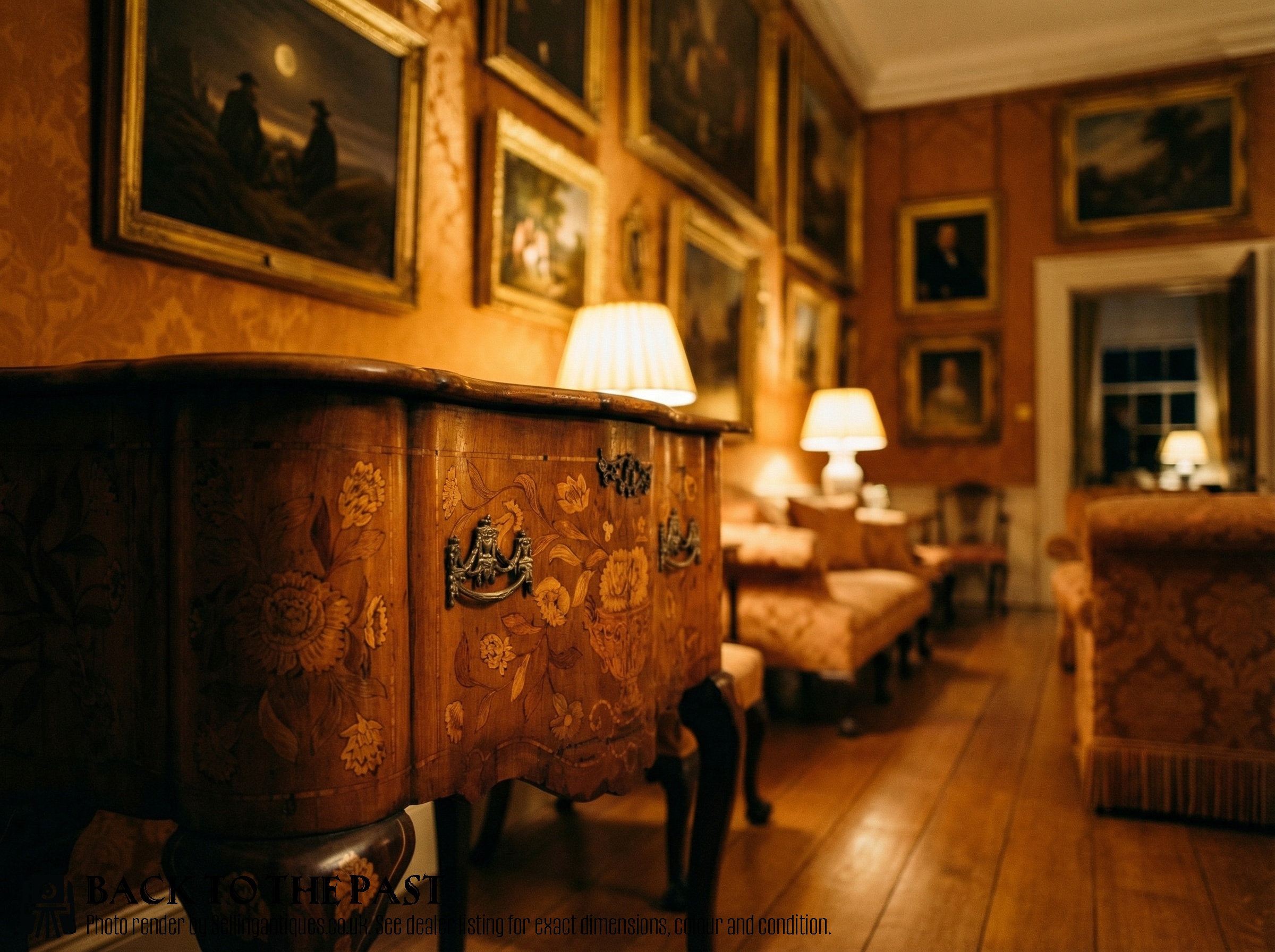
Dutch Walnut Commode
A dutch walnut commode is a substantial storage piece defined by rich figuring and pronounced architectural forms. The selection centres heavily on eighteenth-century examples, alongside nineteenth-century interpretations and later revivals.
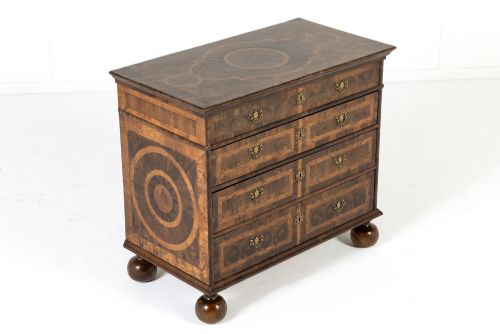
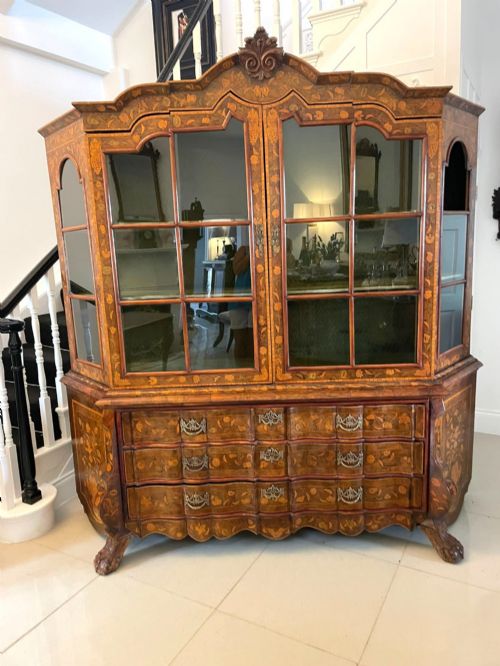
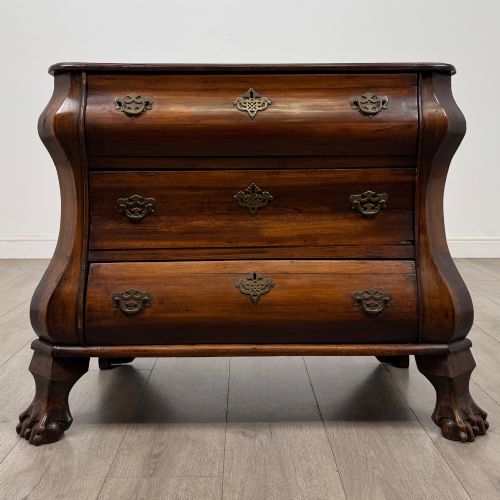
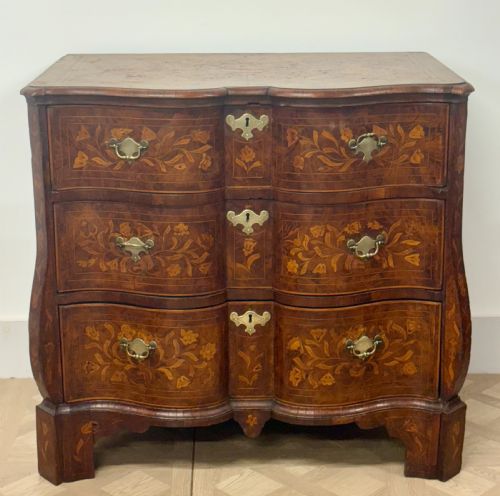
Forms span serpentine fronts, tallboys, bureaux, side tables, and characteristic bombé chests that swell outward toward the base. Walnut dominates, often enriched with intricate floral marquetry and fruitwood inlay across drawer fronts and sides.
How they were made
Cabinet makers utilised dense walnut and burr walnut veneers applied over secondary woods such as oak and fruitwood. Carcases were constructed with traditional joinery, accommodating complex bombé curves and serpentine contours.
Surfaces frequently showcase elaborate marquetry and fruitwood inlay depicting floral and foliage motifs. Drawer construction often incorporates secondary woods, sometimes housing secret compartments within the larger carcass.
Dutch Walnut Commode Retail Price Guide 2026
Typical asking prices for dutch walnut commode among the pieces listed under this phrase on Sellingantiques today, from the lower quarter to the upper quarter. They describe what is for sale here now, not the wider market.
Periods represented reach from the seventeenth century through the eighteenth and nineteenth centuries, extending into Edwardian revivals.
What varies in quality
Quality rests upon the selection of timber figure, particularly the richness of burr walnut and the precision of the veneer matching. Superior pieces display harmonious grain patterns that wrap fluidly around the curved contours of bombé chests.
The execution of the marquetry and inlay distinguishes finer examples, with crisp floral details and minimal disturbance to the surrounding walnut. Original brass hardware and the integrity of the secondary timbers further elevate the standing of a piece.
The Dutch Walnut Commode Glossary
- Bombe
- A swelling, convex form where the front and sides curve outward toward the base. This challenging shape requires advanced cabinet-making techniques.
- Marquetry
- Decorative patterns formed by fitting together thin slices of various coloured woods and veneers. Floral motifs are especially prominent in this tradition.
- Burr walnut
- Timber taken from a growth on a walnut tree, yielding highly figured grain patterns with swirling eyes. It commands attention across large drawer fronts.
- Serpentine
- A front profile defined by a central convex curve flanked by concave sweeps. It adds fluid movement to chests and commodes.
- Tallboy
- A tall chest of drawers made in two stacked sections, providing generous vertical storage. These pieces combine utility with commanding architectural height.
Dutch Walnut Commode: Frequently Asked Questions
Where should I place a commode?
These chests suit principal reception rooms, spacious hallways, or bedrooms where their substantial presence can anchor the interior. Their decorative marquetry rewards placement against plain walls with adequate natural light.
Ensure the room maintains stable humidity to protect aged walnut veneers and delicate fruitwood inlays. Avoid positioning them directly beside heat sources.
How do I care for walnut veneer?
Dust surfaces regularly with a soft, dry cloth to prevent particulate buildup on the delicate timber. Avoid modern silicone sprays and harsh chemical polishes that can degrade historic finishes.
Maintain consistent indoor humidity levels to prevent the walnut and fruitwood veneers from lifting or splitting. Natural beeswax applied sparingly helps nourish the old wood.
What is fruitwood inlay?
Fruitwood inlay involves contrasting lighter woods like pear or apple set into the darker walnut ground. Artisans used these materials to delineate stems, petals, and leaves within floral marquetry panels.
The lighter tones provide crisp definition against the rich brown walnut background. Over time, these woods acquire a warm, mellow patina.