



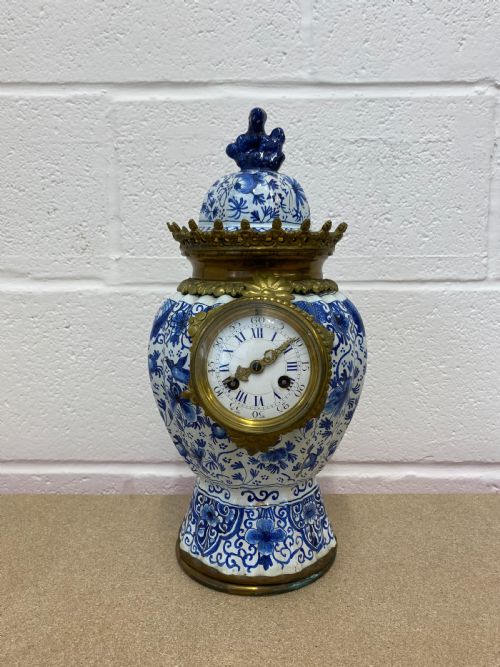


Dutch Pottery Jar
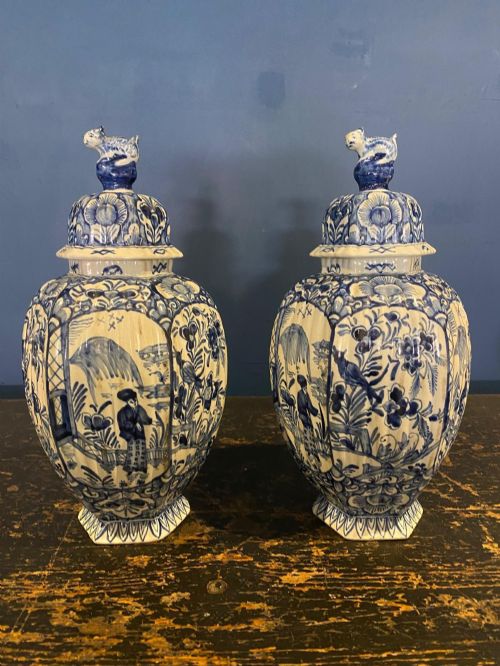
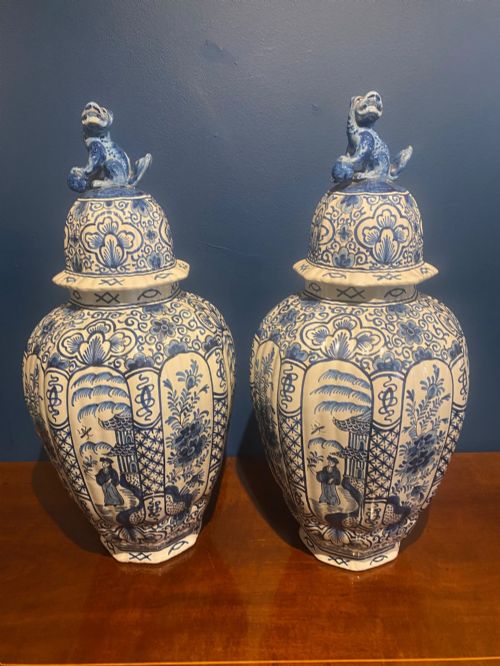
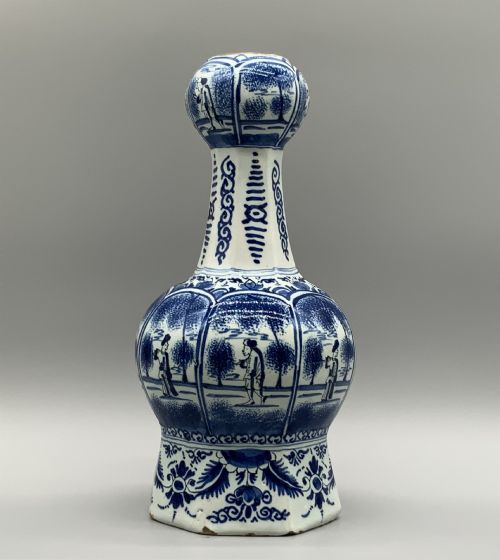
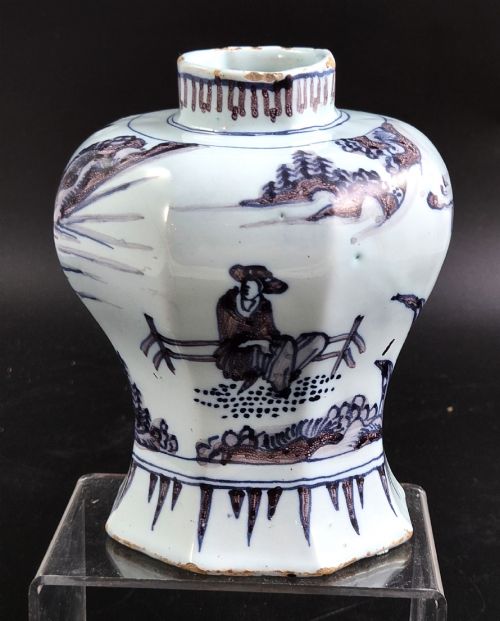
These dutch pottery jar pieces are tin-glazed earthenware and slipware vessels spanning the seventeenth to nineteenth centuries, prized for their cobalt decoration.
Dutch Pottery Jar
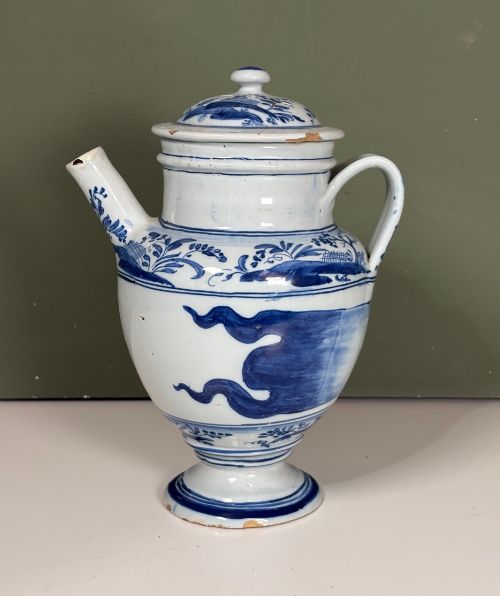
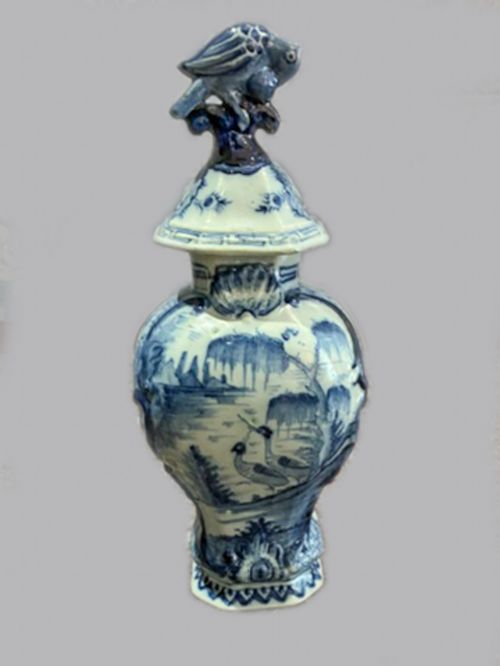
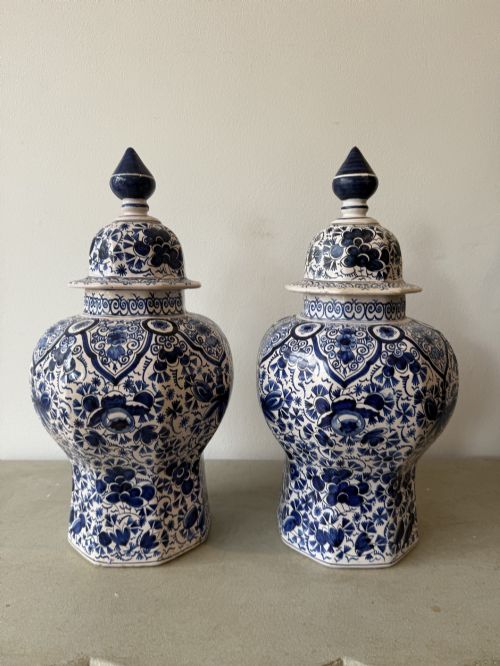
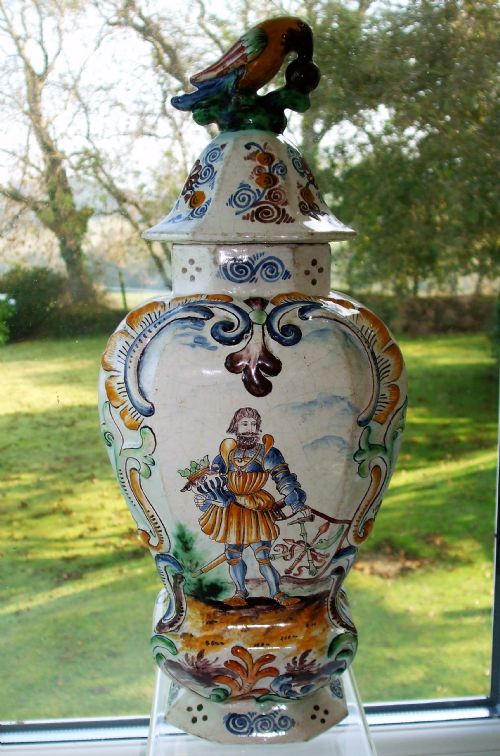
You are most likely to meet eighteenth century delftware vases and jars in blue and white or polychrome palettes. Styles range from traditional Dutch Baroque and Chinoiserie motifs to folk art expressions and adapted table lamp conversions.
The objects serve primarily as decorative mantel pieces or storage vessels, reflecting domestic interiors of past centuries. Surviving examples often retain their matching lids or covers, though many exist as single display pieces or pairs.
Materials and production methods
Potters shaped local earthenware bodies on the wheel, applying an opaque white tin glaze that provided a smooth canvas for painting. Artisans painted directly onto the unfired tin glaze using cobalt pigment for blue designs or multi-coloured mineral pigments for polychrome decoration.
Firing took place in traditional kilns, sealing the vitreous surface and fixing the painted pigments into the glaze layer. Certain earlier pieces utilised slipware techniques, applying fluid clay slips under transparent lead glazes to create contrasting surface patterns.
Dutch Pottery Jar Retail Price Guide 2026
Typical asking prices for dutch pottery jar among the pieces listed under this phrase on Sellingantiques today, from the lower quarter to the upper quarter. They describe what is for sale here now, not the wider market.
The inventory spans the seventeenth to nineteenth centuries, uniting tin-glazed earthenware, ceramic, and hardwood materials across diverse decorative forms.
Assessing visual quality and condition
The sharpness of the cobalt painting and the complexity of the brushwork distinguish finer examples from standard production. Crisp botanical, avian, or figural scenes executed with confident strokes indicate superior workshop output.
Preservation of the original glaze surface and the presence of matching lids significantly influence the integrity of the vessel. Glaze flaking, rim chips, and hairline cracks occur frequently in earthenwares of this age, altering the visual continuity of the painted decoration.
The Dutch Pottery Jar Glossary
- Tin Glaze
- An opaque white glaze made by adding tin oxide to a lead glaze base. This technique provides the characteristic white background found on delftware.
- Cobalt Pigment
- A metallic colorant used to produce deep blue painted designs under the glaze. It withstands high kiln temperatures without losing intensity.
- Baluster Vase
- A vessel form with a rounded body that tapers toward a narrow neck and flares at the base. This shape appears frequently among lidded jars.
- Chinoiserie
- European decorative motifs imitating Chinese artistic styles, particularly popular on eighteenth-century delftware. These designs often depict imaginary landscapes, birds, and flowers.
- Slipware
- Pottery decorated with a thin layer of liquid clay applied before firing. Artisans use this method to trail contrasting patterns across the earthenware body.
Dutch Pottery Jar: Frequently Asked Questions
How do I date an old delft jar?
Dating relies on stylistic shifts in painting, tin glaze composition, and vessel profile changes across centuries. Seventeenth-century pieces often display denser Chinoiserie details, while eighteenth-century examples lean toward balanced floral arrangements.
Physical characteristics of the earthenware body and glaze crazing provide additional clues for determining the production period.
Were these jars used to store food?
Apothecary jars and specific lidded containers held dry medical ingredients, spices, or preserves in domestic and shop environments. The porous nature of earthenware meant contents required protective wrapping before placement inside.
Over time, many utilitarian jars transitioned into purely decorative objects displayed on mantelpieces and cabinets.
Can I use a delft vase for fresh flowers?
Using antique tin-glazed vessels for water is discouraged because moisture penetrates historical earthenware bodies and damages fragile glaze layers. Porous ceramic walls absorb liquids, which can cause the tin glaze to flake off over time.
Displaying these pieces dry preserves the painted surfaces and structural integrity of the ceramic material.
Why do some jars have wooden bases?
Certain nineteenth-century conversions integrated hardwood mounts to adapt decorative jars into functional table lamps for Victorian interiors. These alterations reflect changing domestic fashions rather than original workshop production.
Collectors evaluate such pieces based on the harmony of the conversion and the preservation of the underlying ceramic.