




Dutch Master Style Painting
Dutch master style painting works bring dramatic chiaroscuro and rich botanical detail into modern rooms, offering collectors centuries of European visual heritage.
What a dutch master style painting is
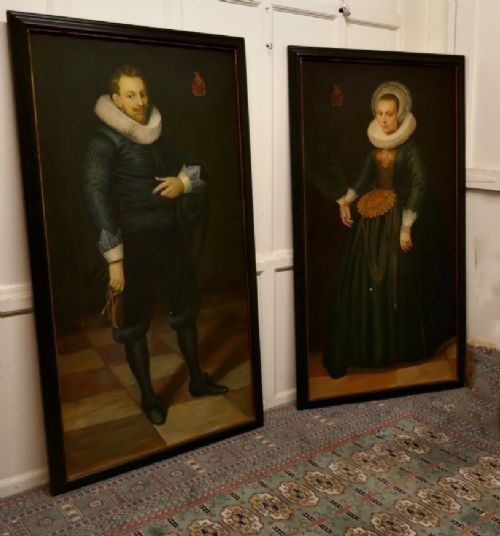
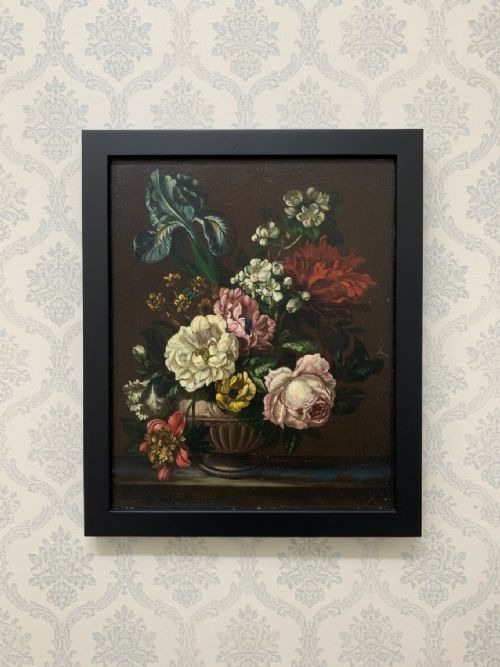
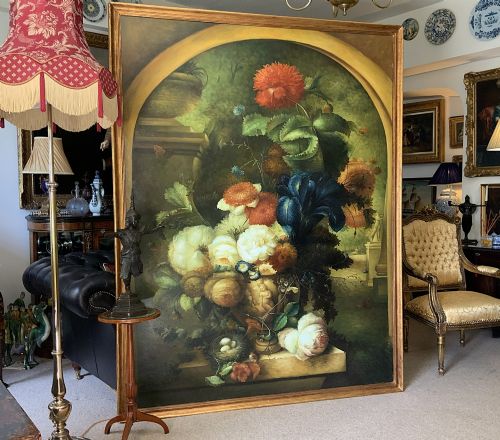
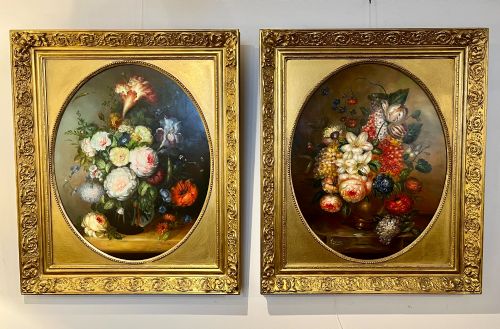
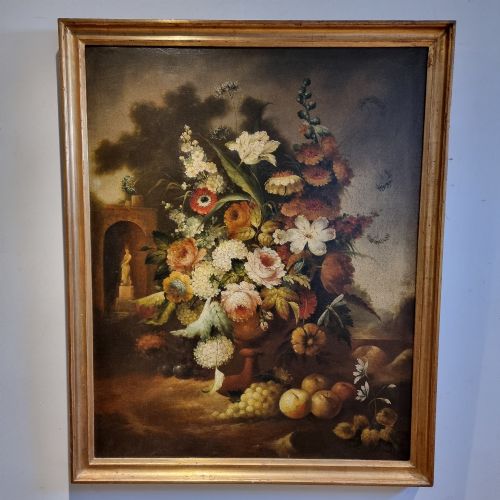
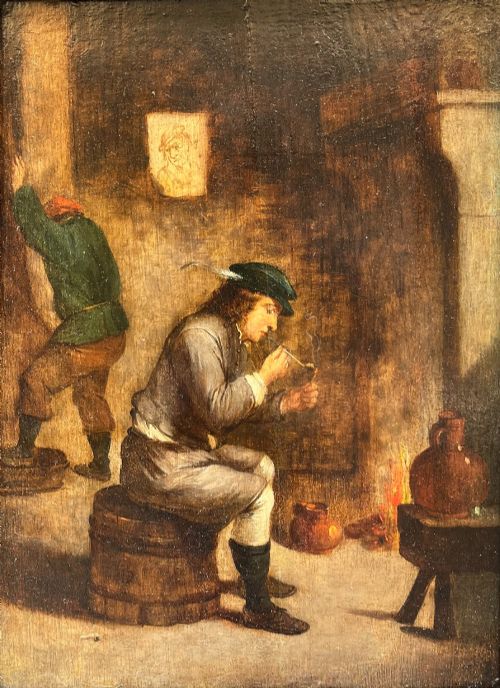
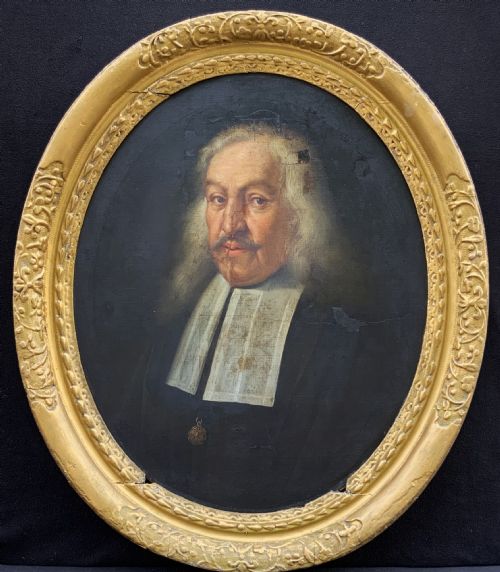
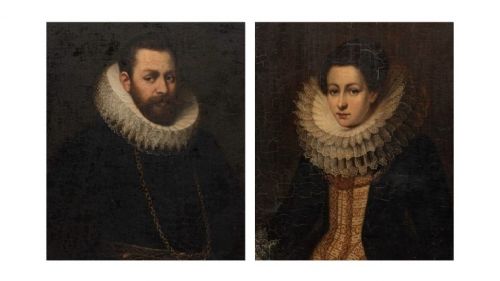
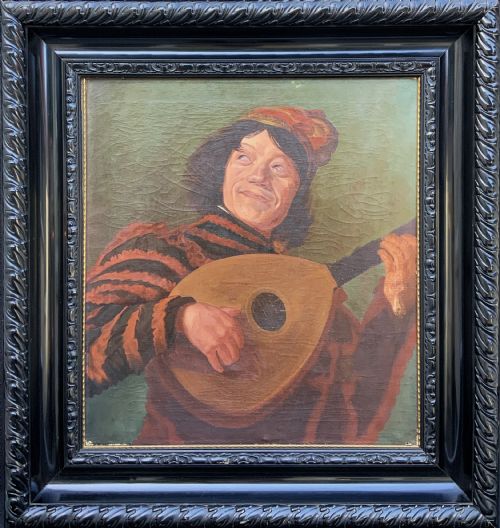
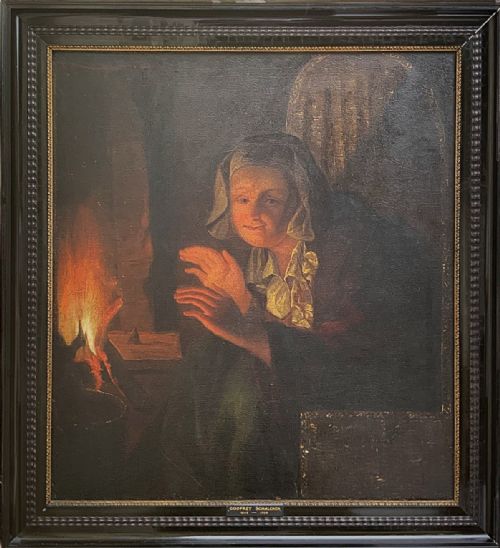
A dutch master style painting captures the deep shadows and luminous illumination characteristic of seventeenth-century Netherlands workshops. These works appear in several forms across the inventory, ranging from monumental floral still lifes and intimate miniatures to wooded forest scenes and traditional landscapes.
Buyers most frequently encounter canvases executed during the early twentieth century, specifically around nineteen twenty and nineteen thirty, alongside eighteenth-century Georgian examples and mid-century classical revivals. Works by named artists such as Terence Loudon and Jan Evert Morel sit alongside anonymous compositions.
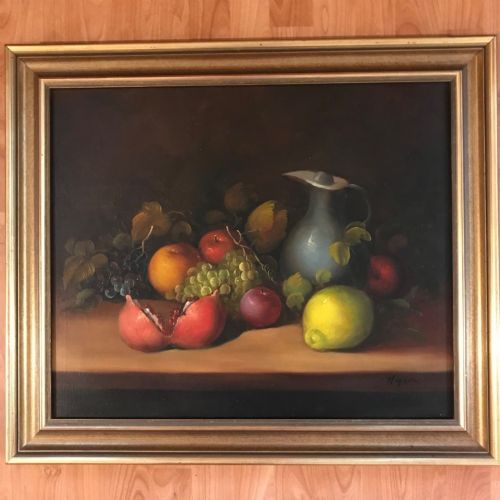
The subjects focus heavily on arrangements of spring and summer flowers in glass vases, abundant fruit still lifes, and atmospheric natural vistas. Each piece employs traditional compositional devices to create theatrical depth and visual gravity.
How they were made
Artists built these compositions using oil paint applied to canvas stretched over wooden frames, or directly onto prepared wooden panels. Layers of oil pigment allowed painters to achieve the deep glazes and subtle tonal gradations essential for replicating seventeenth-century illumination.
Many of these works feature ornate framing finished with gold leaf or gilt, enhancing the theatrical contrast between dark backgrounds and brightly lit subjects. The combination of oil on canvas with gilded wooden surrounds forms the primary structural standard across the collection.
Retail Price Guide 2026
Typical UK retail prices for dutch master style painting, calculated from the Sellingantiques database of over a million retail prices indexed since 2003. This retail price guide relies exclusively on Sellingantiques data; no external sources or auction records are used, so the figures do not describe the wider market.
Listings span periods from the eighteenth-century Georgian era through the nineteen twenties, nineteen thirties, and nineteen sixties using oil paint on wood and canvas.
What varies in quality
The distinction between standard decorative works and superior examples lies in the handling of light and botanical accuracy. Finer pieces demonstrate meticulous brushwork in the rendering of petals, foliage, and reflective glass surfaces, creating an illusion of tactile three-dimensionality.
Scale and provenance further differentiate the range, as monumental works and those bearing attribution to known painters command greater visual presence. The integrity of the original wood supports and the preservation of the oil layers govern the overall optical impact.
Terence Loudon·Jan Evert Morel·Gudrun Sibbons
The Dutch Master Style Painting Glossary
- Chiaroscuro
- The use of strong contrasts between light and dark to give a sense of volume to three-dimensional objects and figures. This technique defines the moody atmosphere typical of seventeenth-century Dutch art.
- Gilt
- A thin layer of gold applied to wood or other surfaces to create a decorative metallic finish. Frames treated this way elevate the presentation of traditional oil paintings.
- Still life
- A work of art depicting mostly inanimate subject matter, typically commonplace objects which may be either natural or man-made. Floral arrangements and fruit compositions form the bulk of this category.
- Oil paint
- A type of slow-drying paint consisting of particles of pigment suspended in a drying oil. It permits the blending of colours and creation of translucent glazes prized by master painters.
Frequently Asked Questions
What is a dutch master style painting?
These artworks emulate the dramatic lighting, deep shadows, and precise subject matter of seventeenth-century Netherlands artists. They typically depict floral arrangements, fruit, or landscapes.
The inventory includes works from the eighteenth century up through the mid-twentieth century, executed by both named painters and anonymous hands.
How do I hang a large canvas?
Monumental pieces require secure wall fixings anchored directly into structural studs or masonry to support the considerable weight of the wood stretcher and frame. Professional picture hangers utilise heavy-duty D-rings and braided wire rated well above the weight of the artwork.
Position the centre of the canvas at standard eye level, taking into account the proportions of the surrounding room and any furniture placed below.
How are these paintings framed?
Many works feature period frames finished with gold leaf or gilt ornamentation that complements the dark, moody palettes of the canvases. These surrounds add significant physical presence and reinforce the historical aesthetic.
Some collectors choose to retain original framing where the patination matches the age of the oil painting itself.
How do I care for oil on canvas?
Keep paintings away from direct sunlight, high humidity, and rapid temperature fluctuations to prevent the canvas from sagging and the oil paint from cracking. Dust the surface gently with a soft, dry brush without applying pressure.
Avoid using water or liquid chemical cleaners on the paint layer or the gilded wooden frame.