


Dutch Master Oil Canvas
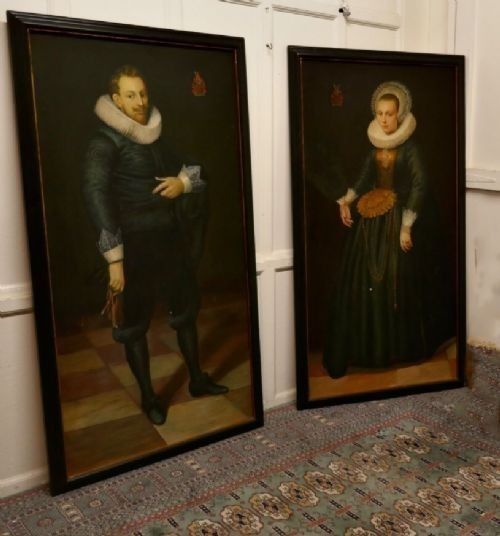
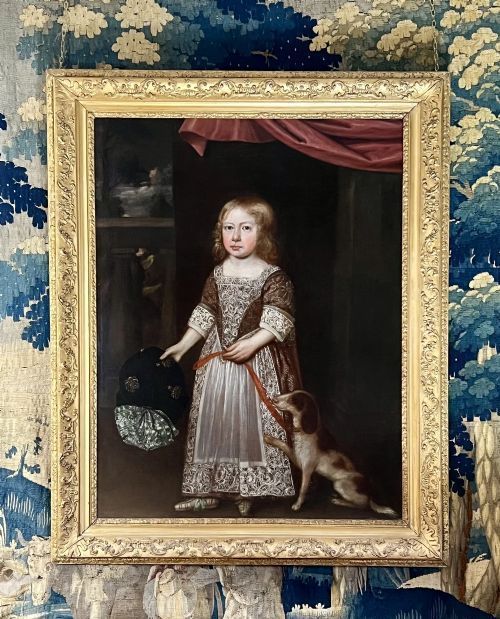
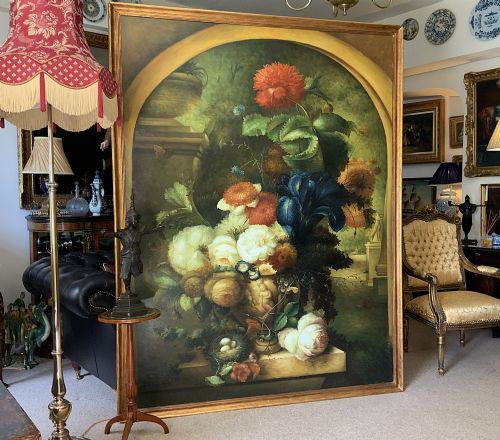
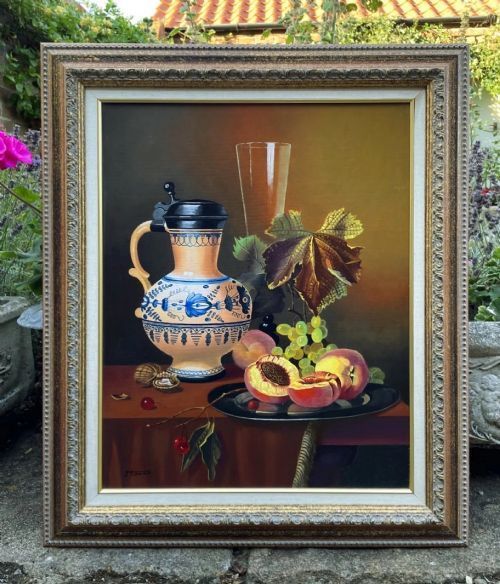
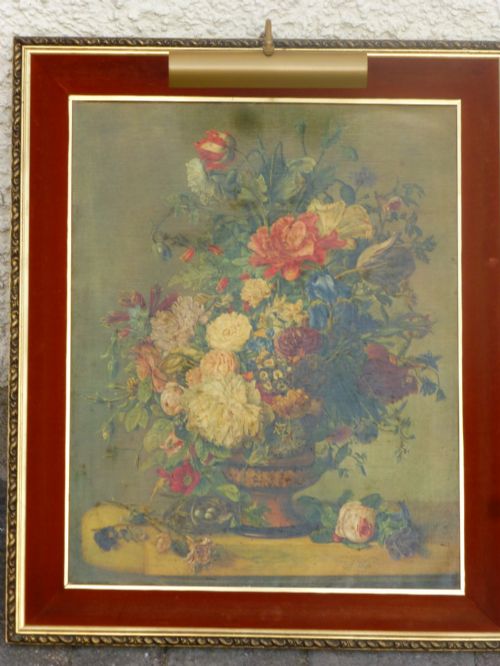
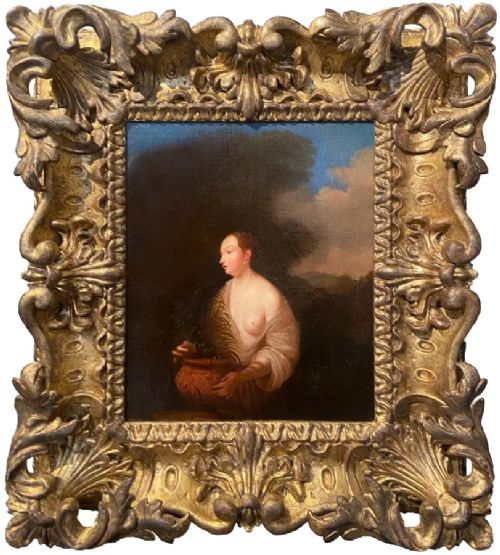
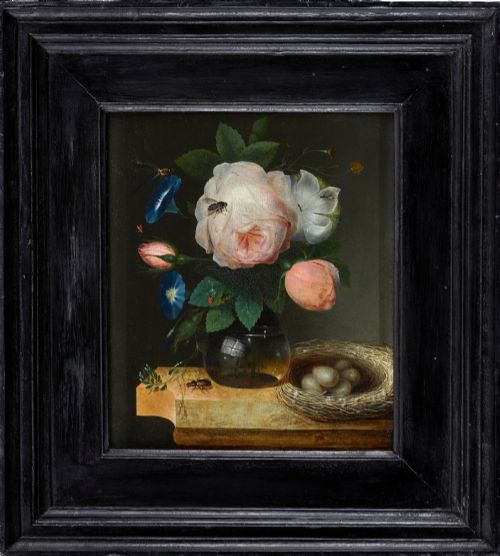
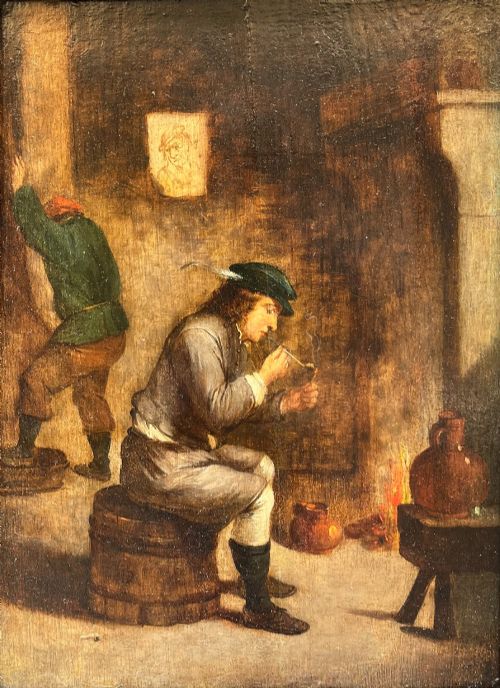
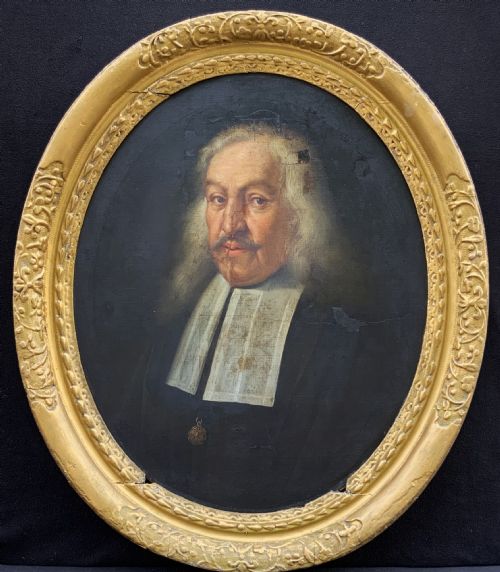
A dutch master oil canvas captures centuries of portraiture, floral still life, and genre scenes rooted in the seventeenth century.
Dutch Master Oil Canvas
When searching for a dutch master oil canvas, collectors encounter both authentic seventeenth-century works and later revival pieces created in the eighteenth, nineteenth, and twentieth centuries. These paintings span solemn aristocratic portraits, robust tavern interiors, meticulous botanical still lifes, and sweeping landscapes.
The selection ranges from original works by known Continental painters to studio copies, follower pieces, and later tributes executed in the distinct aesthetic traditions of the Netherlands and Flanders.
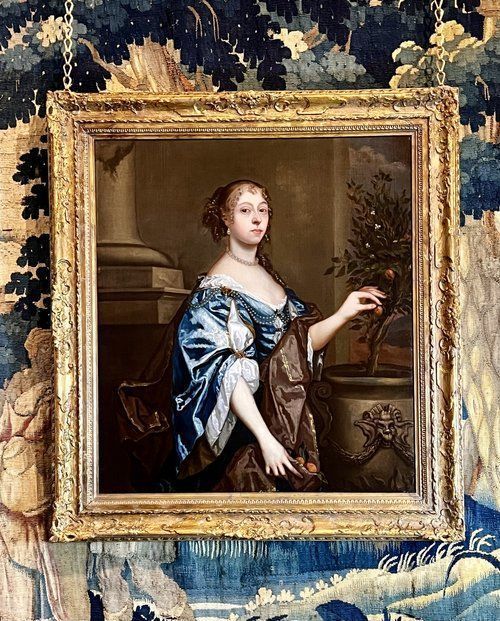
Buyers meet works executed during the golden age alongside twentieth-century reinterpretations framed in heavy giltwood, reflecting a sustained fascination with northern European realism and chiaroscuro lighting.
How they were made
These works rely fundamentally on oil paint applied to woven canvas supports, sometimes stretched over timber frames or mounted on wood panels. Artists built compositions through meticulous layers of pigment, employing dark grounds and gradual glazes to achieve deep shadow and luminous highlights.
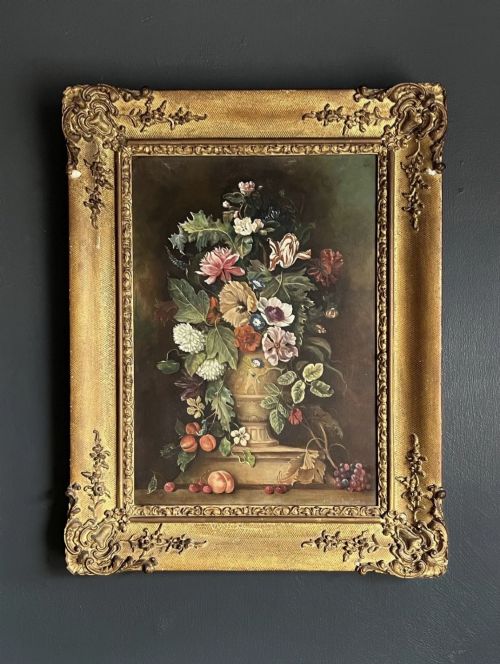
Frames play an integral structural and aesthetic role, frequently consisting of moulded giltwood, gold leaf, or ornate gesso constructions that complement the heavy painterly presence of the canvases.
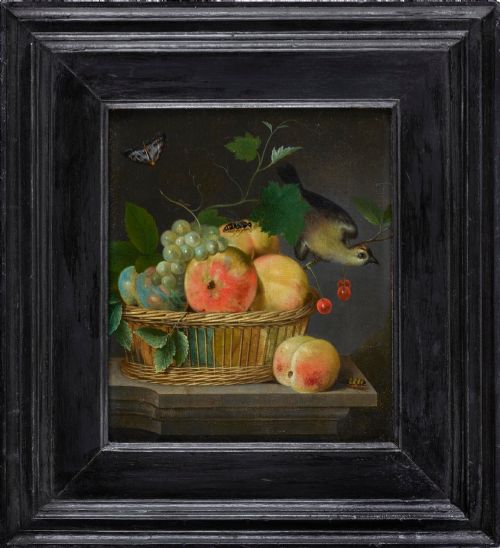
Several canvases feature remarkably stern noblemen sharing space with unexpected birds, bowls of fruit, and dogs caught in the act of stealing.
What varies in quality
Quality rests in the handling of light, anatomical precision, and the confidence of the brushwork across drapery, flesh, and foliage. Superior examples display subtle tonal modulation and psychological depth, whereas lesser works rely on stiff contours and flat application.
The integrity of the canvas and the preservation of the original paint layer without excessive overpainting dictate the overall merit of any given piece.
Pieter Borseler·Gaspar Peeter Verbruggen·David Teniers·Nicolaes Maes·Frans Snyders·Jacob Huysmans
The Dutch Master Oil Canvas Glossary
- Chiaroscuro
- The strong contrast between light and dark used to give three-dimensional volume to figures and objects. This technique defines the dramatic illumination seen in many northern European interiors.
- Still life
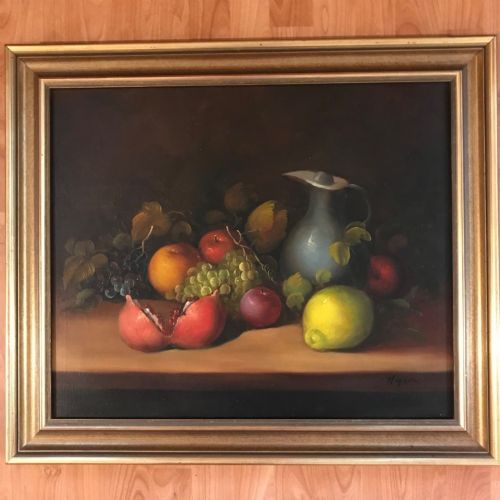
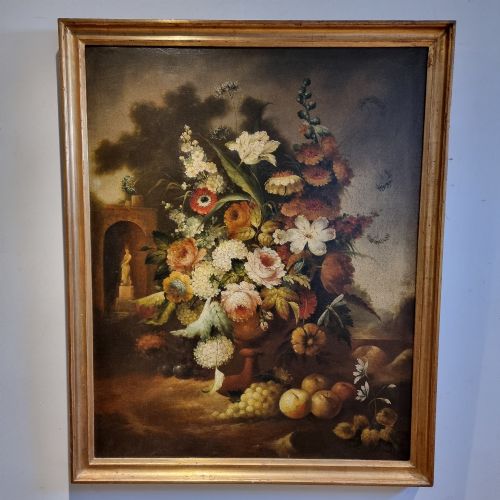
- A painting featuring inanimate subject matter, such as fruit, flowers, or dead game. These compositions often carry symbolic meanings regarding the passage of time.
- Giltwood
- Wood carved and covered with thin gold leaf or gold paint. This finish commonly frames formal portraits and floral works.
- Old Master
- A term for a European artist of high skill working before the nineteenth century. These painters established the foundational styles emulated by later revivalists.
- Provenance
- The chronological record of ownership of a work of art. Documented history helps confirm attribution and authenticity.
Dutch Master Oil Canvas: Frequently Asked Questions
How do I spot a reproduction?
Examine the paint surface under magnification to check for modern pigment consistency and mechanical canvas weaves. Older works exhibit natural craquelure and organic ageing patterns.
Compare the handling of shadow and fine detail against documented examples from the same period or school. Skill in brushwork separates period originals from later decorative copies.
What is a still life painting?
A still life depicts arrangements of inanimate objects, including cut flowers, woven baskets of fruit, and game. Artists used these compositions to demonstrate technical mastery over texture and light.
In northern European traditions, such paintings frequently incorporate hidden symbolism about mortality and abundance. They require careful framing to maintain their visual impact in domestic spaces.
How should I hang these paintings?
Position oil canvases away from direct sunlight and steady heat sources to protect the sensitive pigments and canvas fibres. Stable indoor humidity prevents warping in the wooden stretcher bars.
Ensure the wall fixings safely support the combined weight of the heavy giltwood frame and the canvas. Proper eye-level placement allows the viewer to appreciate the subtle chiaroscuro lighting.
Are all these paintings from the seventeenth century?
The selection includes both genuine seventeenth-century works and later nineteenth and twentieth-century interpretations. Revival pieces often emulate the dark palettes and subjects of the golden age.
Checking the stretcher construction, canvas type, and framing materials helps determine the actual age of the object. Archival records and signature analysis further clarify the timeline.