




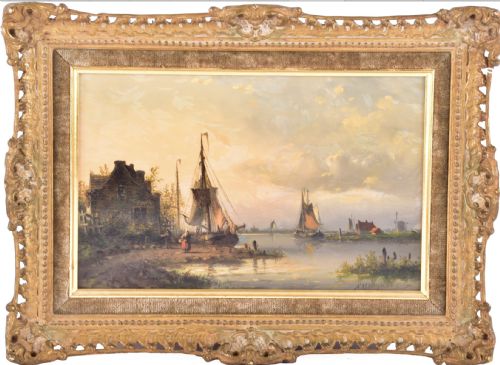
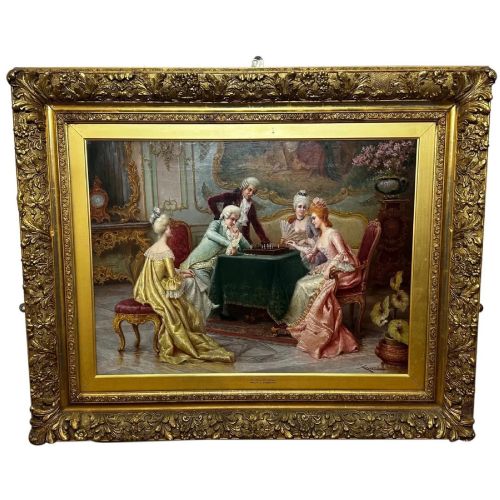
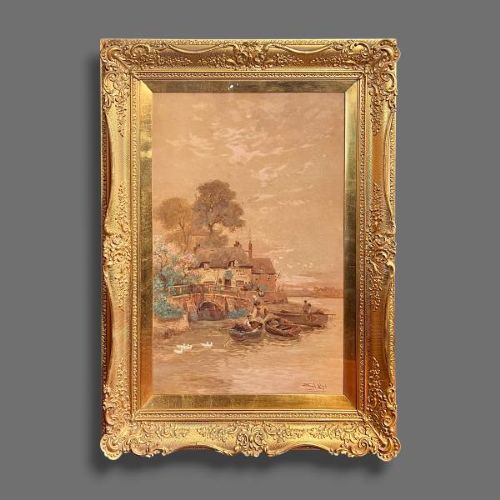
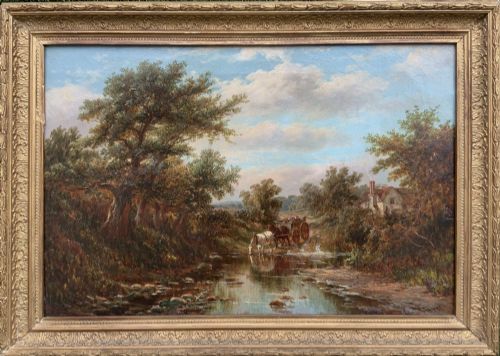
Gilded Framed Wall Painting
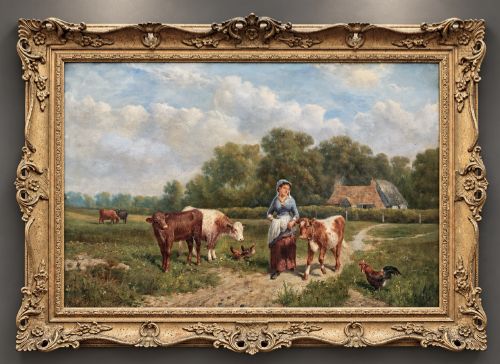
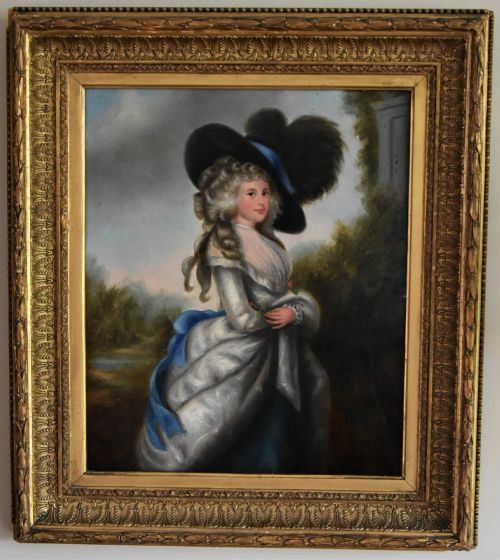
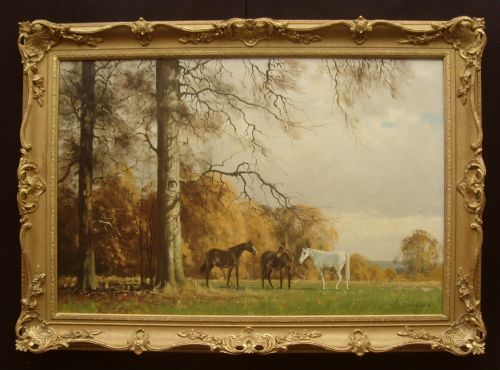
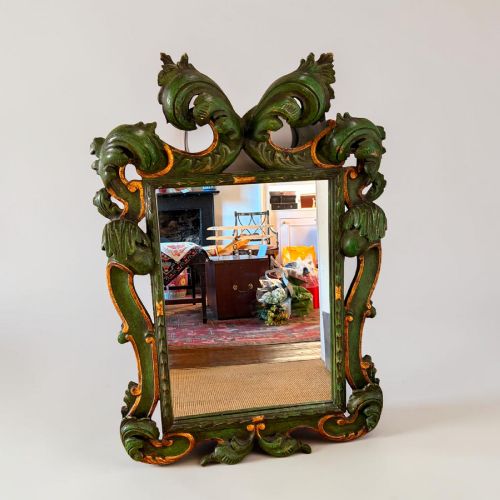
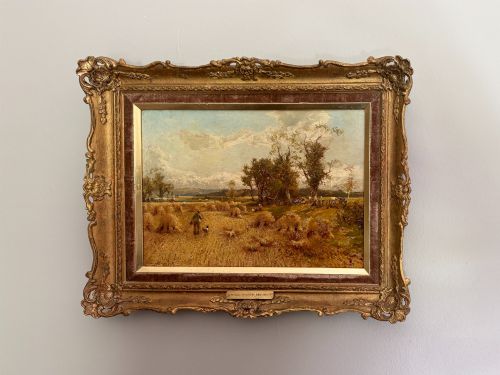
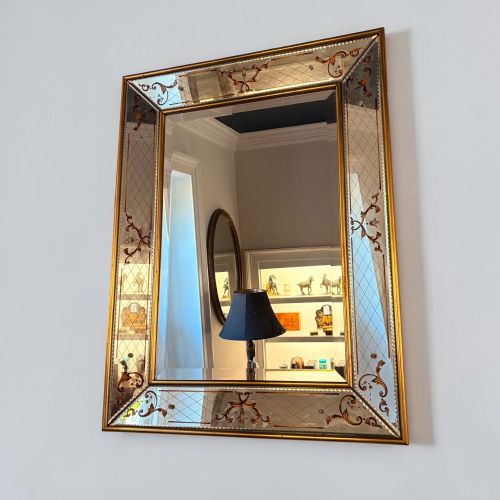
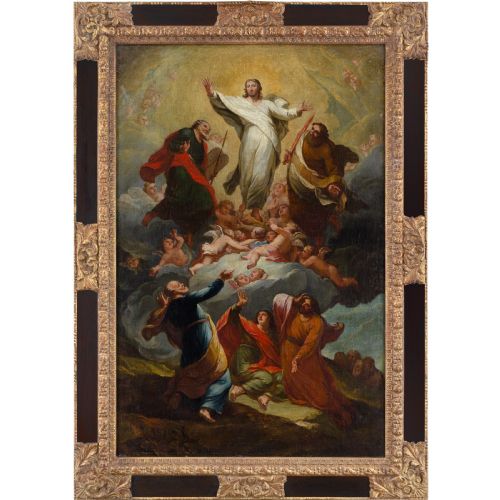
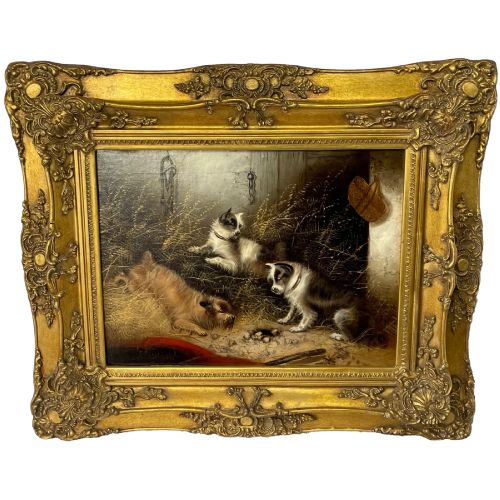
A gilded framed wall painting brings together historic portraiture or landscape art and ornamental woodwork to anchor a room.
Gilded Framed Wall Painting
When you search for a gilded framed wall painting, you encounter works spanning from the seventeenth century through to the mid-twentieth century, with nineteenth-century examples appearing frequently. These pieces comprise oil paintings on canvas and wood panels, alongside pastel portraits, reverse glass mezzotints, and polychrome plaster reliefs.
Subjects range from formal aristocratic portraits and classical mythological scenes to romantic landscapes, pastoral genre scenes, and detailed botanical still lifes. The framing forms an integral part of each item, utilising period techniques such as carved gesso and giltwood to enclose the artwork.
How they were made
Makers built the foundational supports using timber panels or stretched canvas, applying layers of oil paint to create enduring depth and tone. Frames were constructed from wood and shaped with gesso before the application of gold leaf or metallic paint.
Intricate surface ornamentation on the surrounds relied on skilled carving and moulding techniques, often finished with subtle burnishing to catch ambient light.
Materials recorded across the selection include oil paint, canvas, gesso, gold leaf, and solid wood panels.
What varies in quality
The standard of execution in both the brushwork and the surrounding frame dictates the standing of an individual item. Finer works display confident handling of light, anatomy, and texture by the artist, combined with deeply carved and well-preserved gilt ornament on the housing.
Lesser examples may show hesitant draughtsmanship, simpler stretcher construction, or replacement frames that lack the historical integration seen in superior works.
Sir Godfrey Kneller·Sir Joshua Reynolds·Anthony Van Dyck·Charles-Antoine Coypel
The Gilded Framed Wall Painting Glossary
- Giltwood
- Wood that has been coated with gold leaf or gold paint. This technique provided a luminous, reflective border designed to complement the artwork within.
- Gesso
- A plaster-like mixture applied to wooden frames as a smooth base for gilding. Artisans carved intricate decorative motifs directly into this surface before applying gold leaf.
- Oil on Canvas
- Pigments bound in an oil medium and applied to woven fabric stretched over a wooden frame. This combination allowed artists to achieve rich colour blending and durability.
- Panel Painting
- An artwork executed on a flat piece of wood rather than canvas. These rigid supports were common in earlier centuries before canvas became the dominant medium.
Gilded Framed Wall Painting: Frequently Asked Questions
How do I hang a heavy framed painting?
Heavy framed works require secure wall fixings distributed into wall studs or masonry using appropriate weight-rated picture hooks.
Ensure the hanging wire or brackets on the back of the frame are robust enough to support the combined weight of the canvas and timber surround.
Where should I place these paintings at home?
These pieces suit principal reception rooms, hallways, or dining areas where they can serve as a focal point above a mantelpiece or sideboard.
Position them away from direct sunlight and damp environments to protect both the oil pigments and the delicate gilt framing.
How do I clean a gilded frame?
Dust the gilded frame gently using a soft, dry brush or a feather duster to remove surface particles without disturbing the finish.
Avoid using water, chemical solvents, or abrasive cloths, as these can strip the delicate gold leaf and underlying gesso layers.
How can I tell the period of a frame?
Frame periods are identified by the carving style, the composition of the gesso, and the joinery methods visible at the corners and reverse.
Earlier frames often feature hand-carved wooden ornament, while later nineteenth and twentieth-century versions may utilise moulded compo or plaster details.