



Dutch Marine Art
Dutch marine art brings centuries of maritime heritage into your home through evocative oil paintings of coastal waters and bustling shipping.
Dutch Marine Art
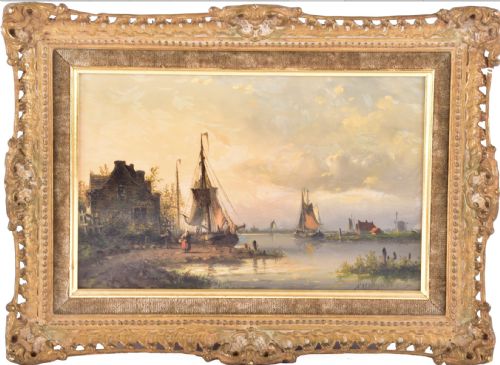
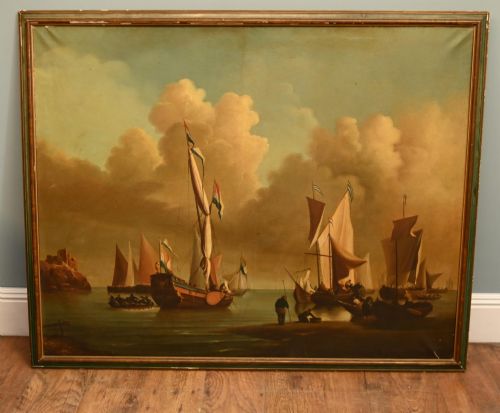
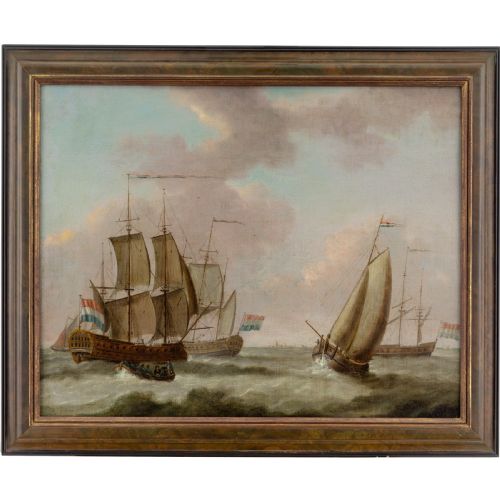
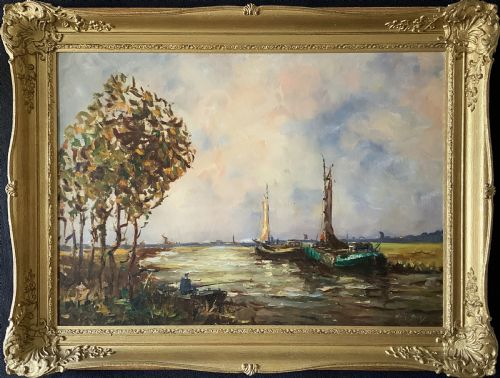
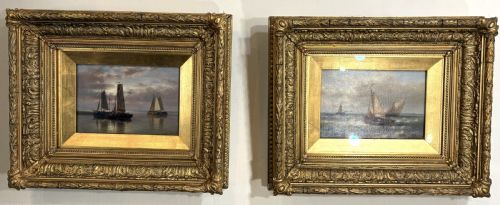
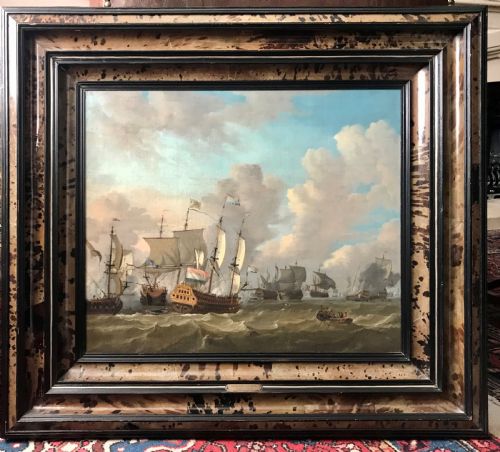
Dutch marine art captures the enduring relationship between the Netherlands and the sea, ranging from tranquil canalscapes to dramatic rolling seas. You will encounter oil paintings executed on canvas or wood panels, often set within period giltwood frames.
The selection leans heavily toward nineteenth-century works reflecting Dutch romanticism and impressionism, alongside earlier examples rooted in the golden age tradition. These canvases depict fishing boats, merchant shipping, and coastal views rendered with careful attention to atmospheric light.
Subjects encompass bustling Rotterdam waterways, quiet estuaries, and open waters where sail boats navigate choppy currents. Many pieces arrive as pairs, offering balanced compositions of maritime activity along the Dutch coast.
How dutch marine art was made
Artists built these compositions using oil paint applied to stretched canvas, wooden panels, or occasionally board. Brushwork ranges from the tight, precise detail seen in nineteenth-century maritime records to freer, more impressionistic strokes.
Frames play an integral role in presentation, utilising carved giltwood that complements the tonal depth of the oil paintings within. Pigments capture subtle shifts in sky and water, relying on layered glazes to create luminosity across coastal scenes.
Dutch Marine Art Retail Price Guide 2026
Typical asking prices for dutch marine art among the pieces listed under this phrase on Sellingantiques today, from the lower quarter to the upper quarter. They describe what is for sale here now, not the wider market.
Several artists painted identical Dutch fishing boats so often they probably knew the crew by name.
What varies in quality
Mastery over light and atmospheric perspective separates standard topographical records from exceptional canvases. The handling of water movement and cloud formations dictates the visual depth achieved by the artist.
Provenance and attribution strongly influence distinction, particularly when works bear signatures from recognised figures of the nineteenth-century Dutch school or earlier centuries. The condition of the original paint surface and the integrity of the supportive canvas or wood further define the standing of each piece.
Nicolaas Martinus Wijdoogen·Willem Bos·Abraham Hulk I·Pieter Cornelis Dommersen·Thomas Bush Hardy·Adrian Van Porten·Abraham Hulk Snr·Hendrik Willebrord Jansen·Owen Bowen·Paul Jean Clays·Frank Myers Boggs·William Dommersen·Charles Martin Powell·Jacob Knyff·Abraham Storck·Alfred Montague
The Dutch Marine Art Glossary
- Oil on canvas
- Pigments bound in a drying oil medium applied to a woven fabric support stretched across a wooden frame. This combination allows for rich colour blending and textured brushwork.
- Giltwood
- Wood carved and coated with a thin layer of gold leaf or gilt paint. It is commonly found framing traditional maritime oil paintings to enhance their display.
- Estuary
- The tidal mouth of a large river where the tide meets the stream. These sheltered waters provided popular subject matter for marine artists depicting shipping activity.
- Canvas
- A heavy woven fabric used as a surface for painting. It provides durability and tension essential for large-scale oil works.
- Dutch School
- A broad term encompassing artists working in the Netherlands who shared stylistic approaches across particular periods. It highlights regional techniques in handling light and maritime subjects.
Dutch Marine Art: Frequently Asked Questions
What subjects appear in dutch marine art?
These works typically feature sailing vessels, fishing boats, and merchant shipping navigating coastal waters, estuaries, and canals.
Scenes range from calm waters near windmills to dramatic depictions of shipping in rolling seas.
How do I identify the period of a painting?
Dating relies on stylistic markers, framing conventions, and artist signatures recorded alongside the medium.
Nineteenth-century examples often display romantic or impressionistic handling of light, whereas earlier seventeenth and eighteenth-century pieces follow classical golden age traditions.
Are these works painted on canvas?
The majority of listings consist of oil paintings executed on stretched canvas or wooden panels.
Some pieces utilise board supports while maintaining the traditional oil paint medium.
How should I display an antique oil painting?
These artworks suit traditional living spaces where lighting can highlight the rich tones of the oil paint and the detail of the giltwood frame.
Placement should avoid direct sunlight and excessive moisture fluctuations to preserve the canvas and pigments.