



Dutch Earthenware Plates
Dutch earthenware plates bring the bold cobalt brushwork and tin glaze of the seventeenth and eighteenth centuries straight to your walls and tables.
Dutch Earthenware Plates
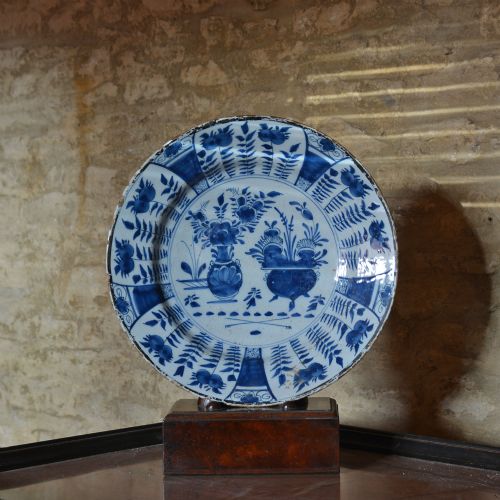
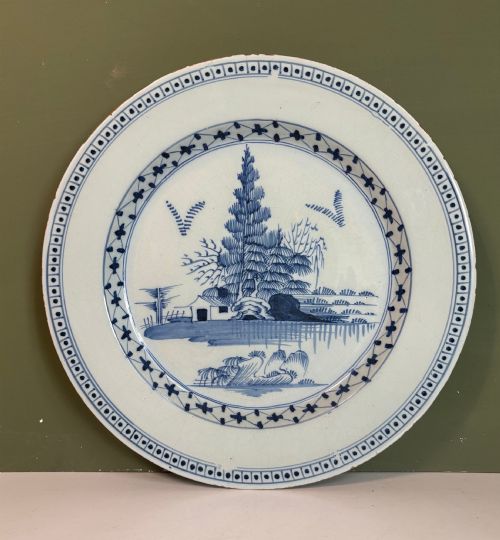
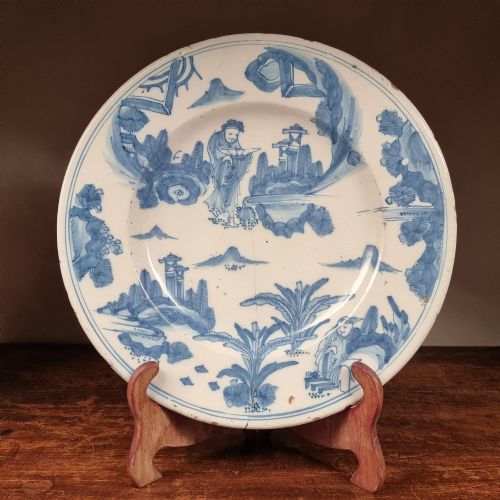
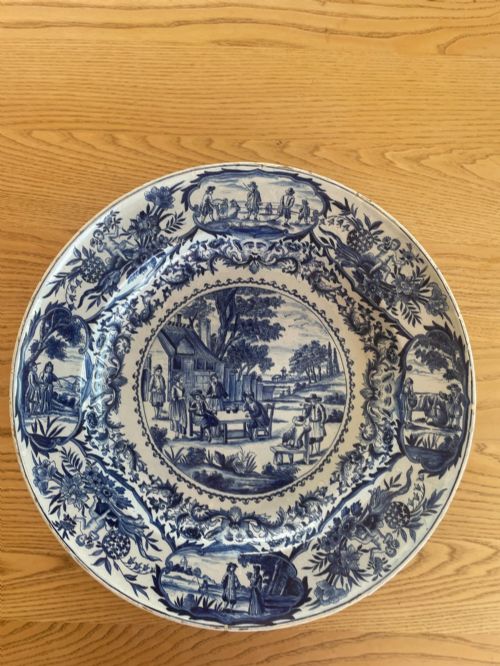
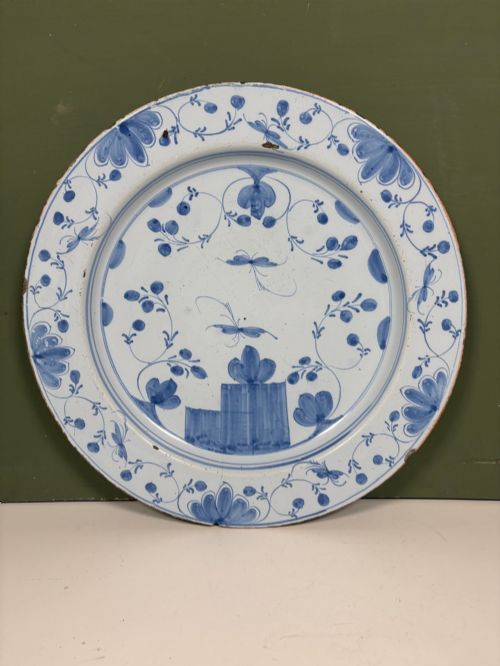
Dutch earthenware plates encompass broad chargers and shallow dishes produced across the seventeenth, eighteenth, and nineteenth centuries. The pieces most commonly found here are chargers and plates originating from the seventeenth and eighteenth centuries, reflecting domestic Dutch production.
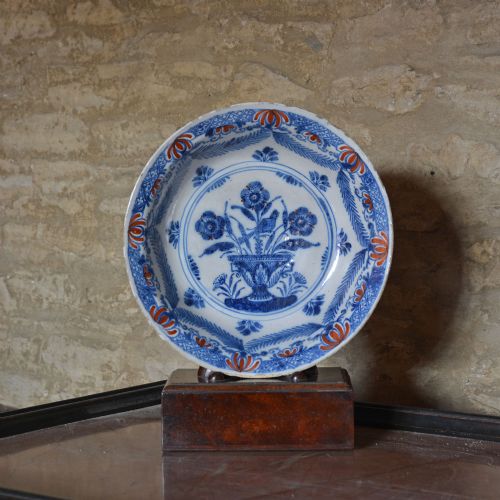
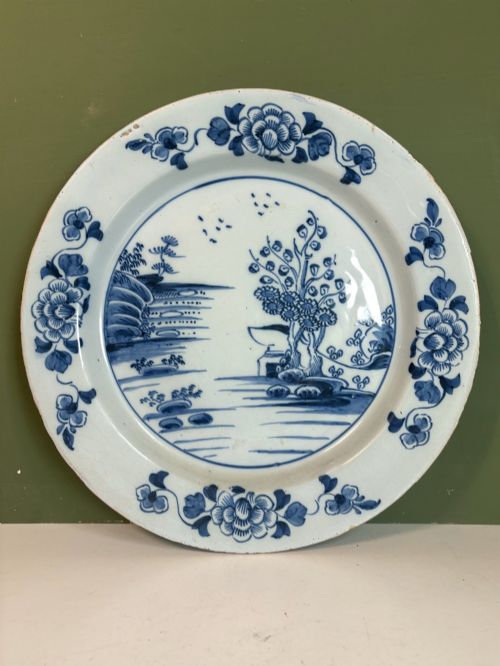
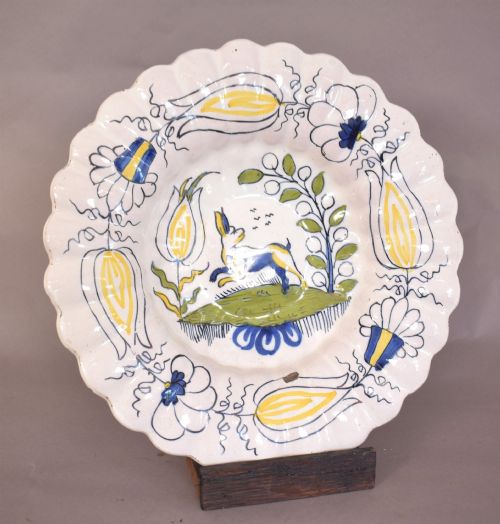
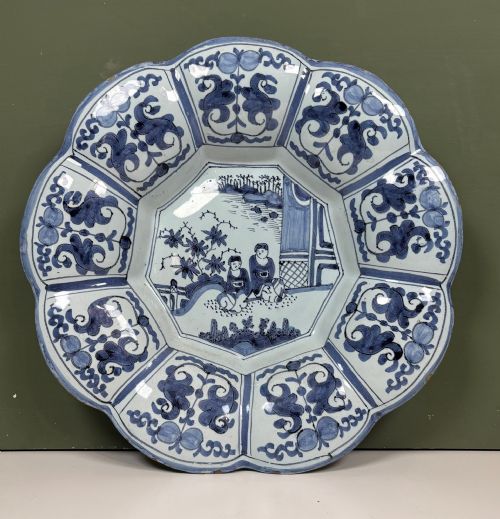
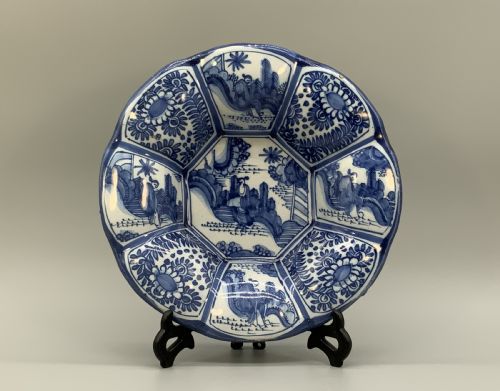
Makers shaped these wares into distinct forms, including lobed dishes and broad circular chargers designed for display. Decoration draws on traditional European motifs alongside Chinese-inspired designs.
Examples range from simple blue and white domestic wares to complex polychrome and manganese compositions. These objects survive primarily as decorative plates and chargers.
Materials and Techniques
Potters formed these items from earthenware clay, coating the fired body in an opaque tin glaze to create a smooth white surface. This tin glaze provided an absorbent ground suitable for painting.
Artisans applied cobalt pigment and manganese directly onto the unfired tin glaze, allowing the colours to fuse during the kiln firing. This technique required swift and confident brushwork, as corrections were impossible once the pigment touched the glaze.
Dutch Earthenware Plates Retail Price Guide 2026
Typical asking prices for dutch earthenware plates among the pieces listed under this phrase on Sellingantiques today, from the lower quarter to the upper quarter. They describe what is for sale here now, not the wider market.
Listings feature tin-glazed earthenware and ceramic forms spanning the seventeenth to the nineteenth centuries, incorporating cobalt pigment and manganese.
Assessing Quality and Execution
Quality rests in the crispness of the cobalt painting and the depth of the tin glaze. Superior examples display confident, fluid brushwork and harmonious compositions across the surface.
The density and brilliance of the white tin glaze also distinguish finer items, alongside minimal firing distortions in the earthenware body.
The Dutch Earthenware Plates Glossary
- Tin-Glazed Earthenware
- Earthenware pottery covered with a white tin-oxide glaze that provides an opaque ground for painted decoration. This technique forms the basis of traditional Delftware.
- Charger
- A large decorative plate traditionally used for display on sideboards or walls rather than for dining. These wide surfaces allowed potters to paint expansive pictorial scenes.
- Polychrome
- Decoration utilising multiple colours painted onto the ceramic surface. On these wares, artisans combined cobalt blue with manganese, yellow, and green pigments.
- Kraak Style
- A Dutch interpretation of Chinese porcelain motifs characterised by panelled borders and central landscape or floral vignettes. Potters adopted these designs during the seventeenth century.
- Grand Feu
- A firing method where pigments are applied directly to the raw glaze and fired at high temperatures. This technique binds the colours permanently into the glossy surface.
Dutch Earthenware Plates: Frequently Asked Questions
How were Dutch earthenware plates used historically?
These items served primarily as decorative chargers and display dishes within prosperous Dutch households. People mounted them on walls or placed them on sideboards to showcase wealth and taste.
Smaller plates occasionally functioned at the table, but the larger chargers remained ornamental objects designed to catch the light in dining rooms and halls.
What is the difference between a plate and a charger?
A charger is substantially larger than a standard dining plate, usually measuring over thirty centimetres in diameter. Chargers were built for visual impact rather than practical dining use.
Plates are smaller, shallower, and were adapted for both food service and modest wall display in domestic settings.
How do you date seventeenth-century versus eighteenth-century pieces?
Seventeenth-century examples often feature Kraak-style panel borders and deep, heavy earthenware bodies influenced by imported Chinese porcelain. The painting tends towards dense cobalt blue compositions.
Eighteenth-century items frequently introduce polychrome palettes, manganese tones, and lighter, thinner bodies with looser floral or geometric arrangements.
Can these antique plates still be hung on walls?
Many chargers retain original or later mounting provisions, but modern display requires specialised gentle wire hangers that distribute weight evenly. The soft earthenware and brittle tin glaze demand careful handling.
Owners should consult professional framers or conservators to ensure secure mounting without stressing the historic ceramic body.