





Dutch Delftware Jar
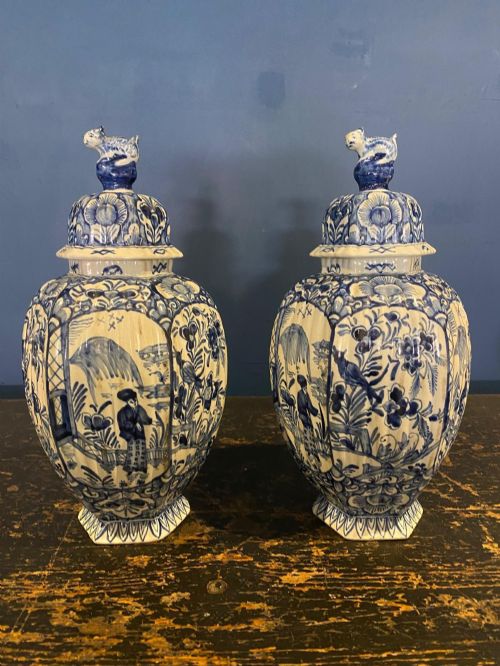
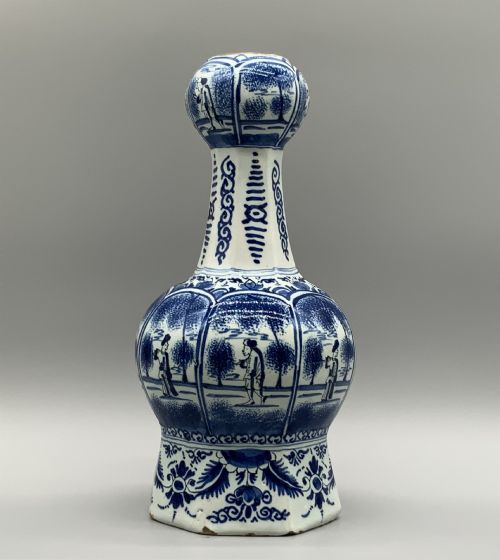
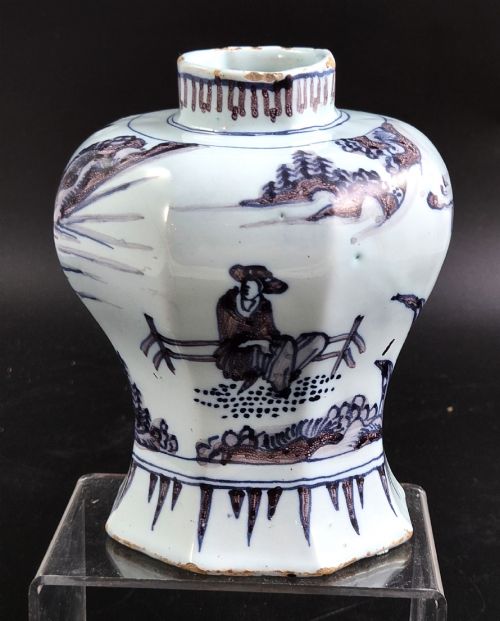
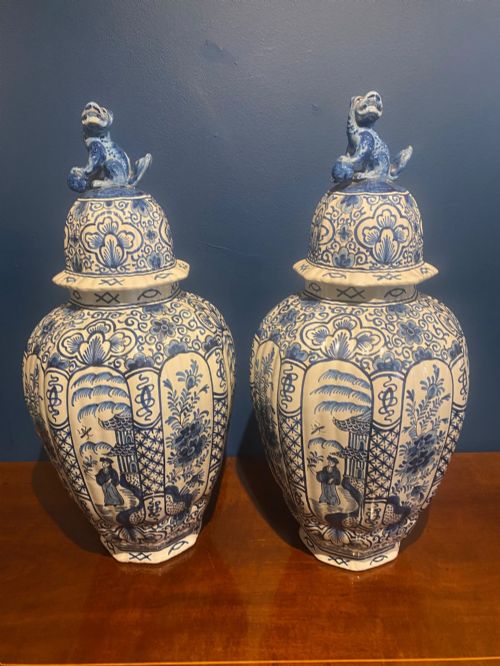
These pieces of dutch delftware jar combine historic earthenware forms with vibrant cobalt pigment, offering a tangible connection to early ceramic artistry.
Dutch Delftware Jar
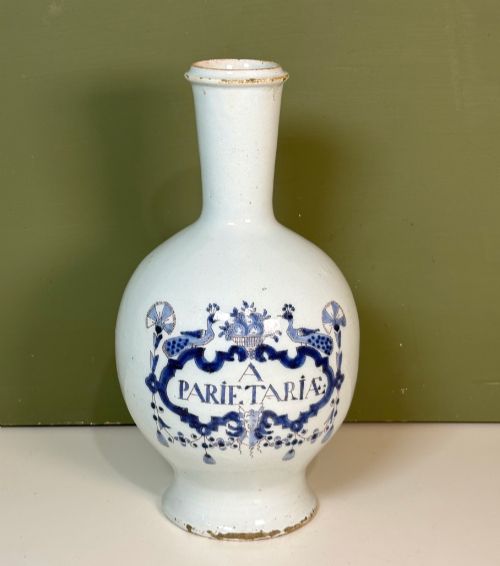
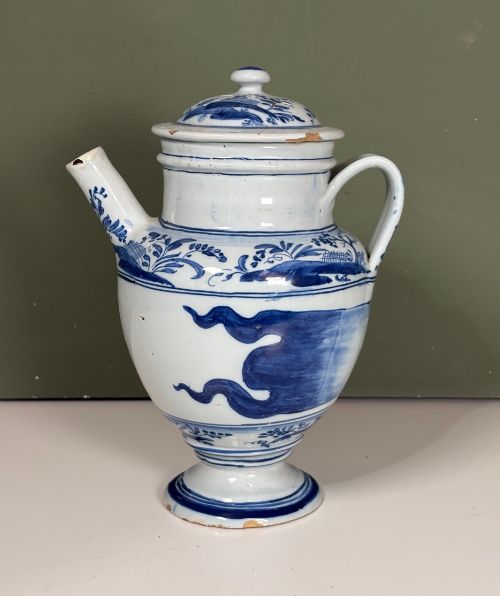
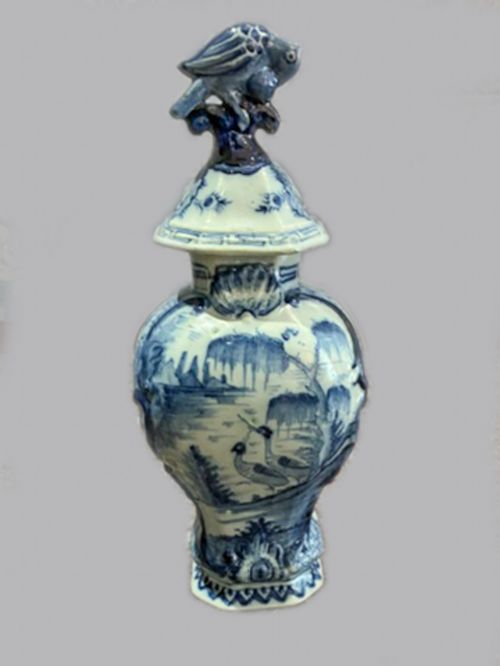
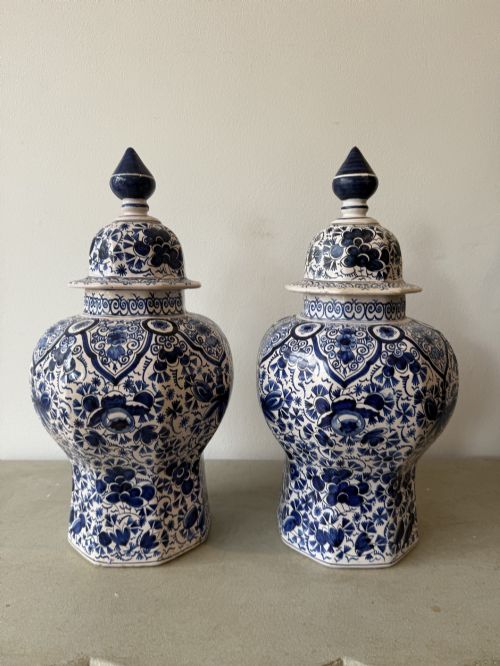
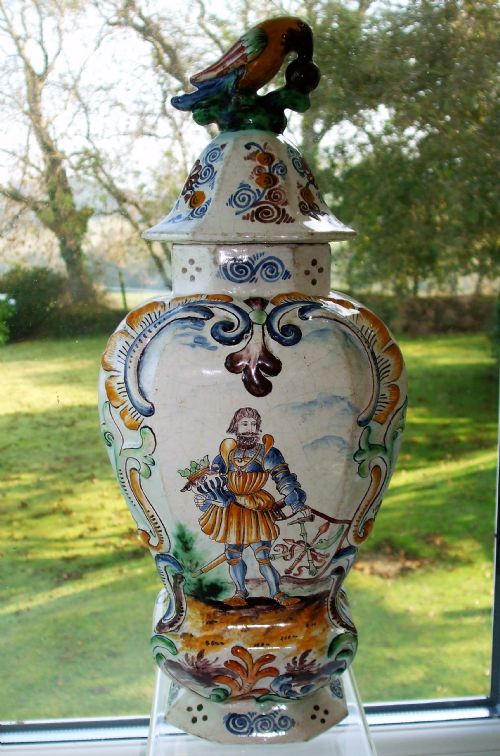
A dutch delftware jar brings centuries of ceramic tradition into view, spanning the seventeenth, eighteenth, and nineteenth centuries. These vessels appear in forms such as apothecary jars, tobacco jars, baluster vases, and lidded urns.
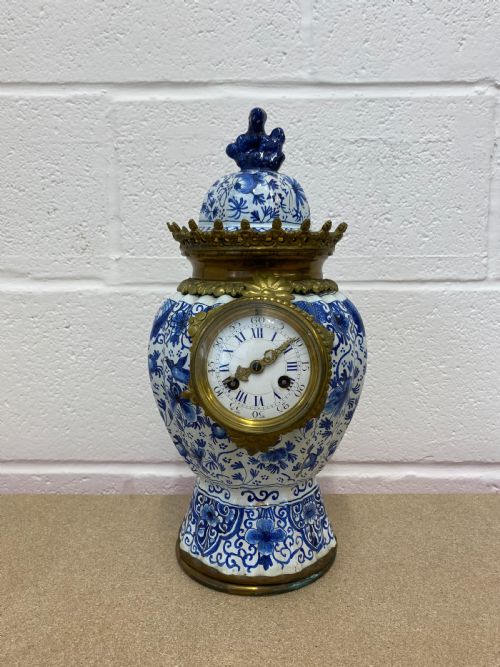
The objects frequently display classic blue and white decoration, alongside occasional polychrome palettes and chinoiserie motifs depicting birds and flowers. Examples range from simple utilitarian storage containers to large decorative table lamps and covered vessels.
What Varies in Quality
The success of a piece depends largely on the crispness of the cobalt painting and the balance of the earthenware form. Finer examples display fluid brushwork and harmonious proportions, while simpler items show heavier execution or more rigid decorative lines.
Condition and completeness also shape the character of each object, particularly regarding the presence of original lids, covers, or matched pairs that survive together through successive centuries.
Dutch Delftware Jar Retail Price Guide 2026
Typical asking prices for dutch delftware jar among the pieces listed under this phrase on Sellingantiques today, from the lower quarter to the upper quarter. They describe what is for sale here now, not the wider market.
Current listings feature pieces spanning the seventeenth through the nineteenth centuries, executed in tin-glazed earthenware with cobalt pigment and brass elements.
The Dutch Delftware Jar Glossary
- Tin-Glazed Earthenware
- A ceramic body covered with a metallic-oxide glaze containing tin, producing an opaque white surface suitable for painted decoration. This technique forms the fundamental basis of all traditional delft production.
- Cobalt Pigment
- A metallic colourant used under the glaze to produce deep blue tones upon firing. It remains stable at high kiln temperatures, allowing for sharp decorative lines.
- Baluster Vase
- A vessel featuring a curved, swelling body that tapers toward a narrow neck and a flared rim. This silhouette appears frequently among large decorative jars.
- Chinoiserie
- European artistic interpretations of Chinese decorative motifs, commonly featuring imaginary landscapes, birds, and floral arrangements. These designs reflect eighteenth-century trade influences.
- Polychrome
- A decorative scheme employing multiple colours rather than a single pigment like blue. In this tradition, these palettes often complement the standard tin glaze.
Dutch Delftware Jar: Frequently Asked Questions
How are apothecary jars different from vases?
Apothecary jars were originally produced to store dry medicines, herbs, or syrups in pharmacies and domestic dispensaries. They typically feature straight or slightly waisted bodies designed to accommodate paper or painted labels.
Vases and urns, conversely, served decorative or floral display functions rather than pharmaceutical storage. Their silhouettes often include handles, covers, or more elaborate baluster proportions.
What is Dutch Delftware?
Dutch Delftware encompasses tin-glazed earthenware produced in the Netherlands, most notably around the city of Delft from the sixteenth century onward. Potters created these wares to emulate imported Chinese porcelain.
The tradition evolved to include domestic items such as tobacco jars, clock cases, and chimney ornaments, decorated with local European scenes as well as Asian motifs.
How do you date an old delft jar?
Dating relies on examining the characteristics of the earthenware body, the tone of the tin glaze, and the style of the painted decoration. Seventeenth-century pieces often display tighter chinoiserie details, while eighteenth-century examples broaden into diverse floral and armorial designs.
Changes in foot rims, glaze thickness, and stylistic shifts toward nineteenth-century production also provide chronological markers for collectors.
Can these jars still hold water?
Historic earthenware and tin glaze are porous materials that can sweat or allow moisture to seep through micro-fissures over time. Using these vessels as interior dry displays or lamps avoids moisture damage to the antique body.
Protective inner liners are sometimes employed if fresh flowers must be displayed in antique ceramic vessels.
Why are some jars painted in colours?
Polychrome decoration allowed painters to use iron red, yellow, manganese purple, and green alongside the standard cobalt blue. This multi-coloured approach became prominent during the height of eighteenth-century production to mimic complex East Asian export porcelain.
Such palettes required multiple firings and skilled pigment control to prevent colours from bleeding into the tin glaze.