





Dutch Ceramic Vessels
Dutch ceramic vessels are earthenware and porcelain pieces spanning the seventeenth to nineteenth centuries, sought after for their painted tin-glazed decoration and historical utility.
Dutch Ceramic Vessels
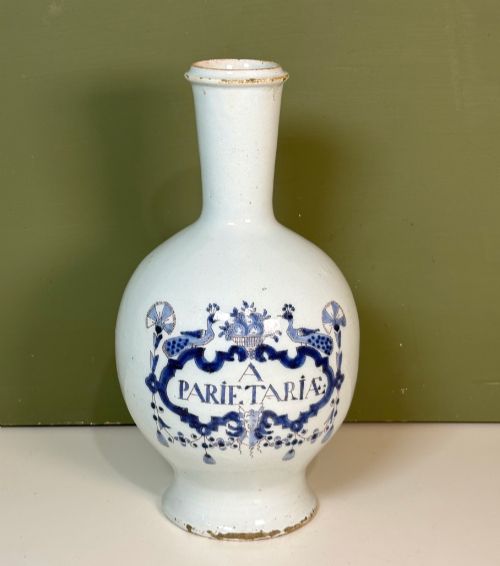
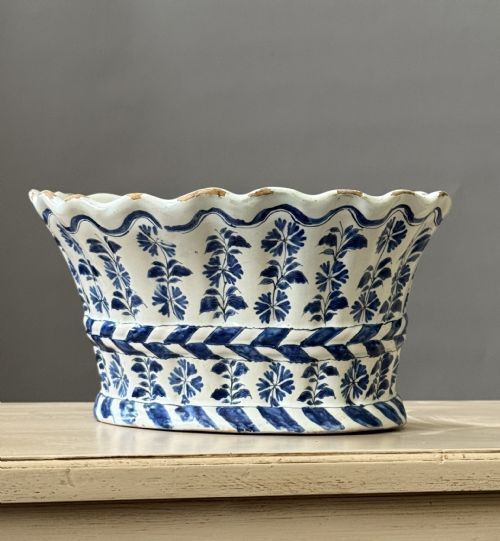
Apothecary jars, apothecary bottles, tobacco jars, and posset pots with lids dominate the domestic utility items. Vases, bough pots, planters, and decorative jugs provide the ornamental counterpart to these apothecary containers.
Delftware and tin-glazed earthenware form the backbone of the physical evidence, supplemented by slipware, lead glaze, and cobalt oxide decoration. Examples range from modest seventeenth-century slipware jugs to large nineteenth-century delft vases.
Materials and construction
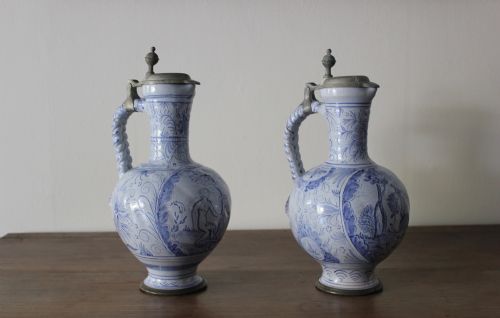
Potters shaped local clays into earthenware bodies before applying tin glaze to create a white, opaque surface suitable for painting. Cobalt oxide then provided the deep blue pigment characteristic of the traditional painted ornament.
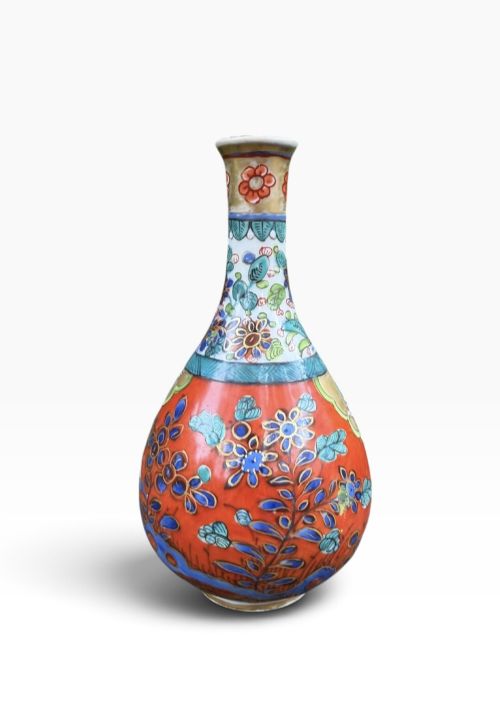
Slipware pieces utilised liquid clay slip trailed over a contrasting body to build surface patterns under a clear lead glaze. Potters also worked with porcelain, sometimes adapting Chinese export wares through clobbered decoration added in Europe.
Firing techniques determined the vitrification of the ceramic body and the stability of the glaze layers during the kiln process. Lid construction on posset pots and tobacco jars required precise throwing to ensure proper fit.
Dutch Ceramic Vessels Retail Price Guide 2026
Typical asking prices for dutch ceramic vessels among the pieces listed under this phrase on Sellingantiques today, from the lower quarter to the upper quarter. They describe what is for sale here now, not the wider market.
The listings here span the seventeenth, eighteenth, and nineteenth centuries, utilising earthenware, tin glaze, slipware, and porcelain.
Judging quality and execution
The precision of the cobalt painting and the consistency of the tin glaze distinguish finer vessels from simpler utilitarian output. Hand-painted botanical or figural scenes show control in brushwork and depth in tonal variation.
Proportion and scale dictate the visual success of larger forms like bough pots and forty-six centimetre vases. Potter control during the throwing stage prevents distortion in heavy vessels like strawberry jars and apothecary containers.
Completeness of original matching components, such as lids on posset pots and tobacco jars, affects the integrity of the piece. Glaze preservation without extensive chipping or modern restoration maintains the historical validity of the ceramic surface.
The Dutch Ceramic Vessels Glossary
- Tin-glazed earthenware
- Pottery covered with a lead glaze made opaque by the addition of tin oxide, providing a white background for painted decoration. This technique defines traditional delftware production.
- Cobalt oxide
- A metallic pigment used under the glaze to produce blue decoration on ceramic surfaces. It withstands high kiln temperatures without losing intensity.
- Posset pot
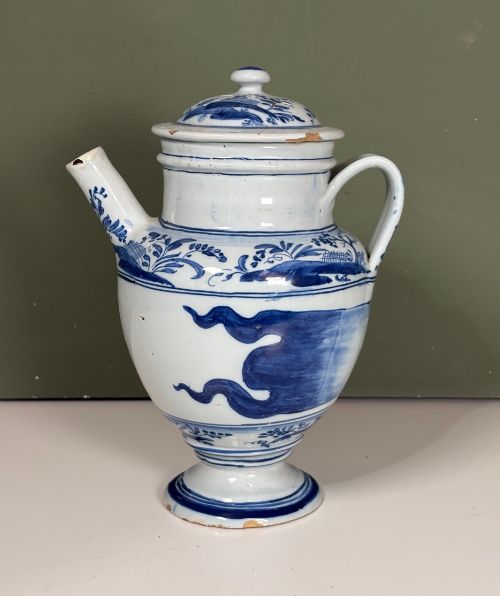
- A spouted vessel with handles and a lid, used for serving a historical hot drink of curdled milk and wine. They frequently feature decorative handles and matching lids.
- Bough pot
- A specialised vessel pierced with holes in the lid, designed for holding cut branches or flowers. These form part of the ornamental pottery output.
- Slipware
- Pottery decorated with a thin mixture of clay and water applied to a clay body before firing. It appears in seventeenth-century jugs and strawberry jars.
Dutch Ceramic Vessels: Frequently Asked Questions
What are dutch ceramic vessels?
These pieces comprise earthenware and porcelain objects made in the Netherlands or decorated by Dutch artisans from the seventeenth to the nineteenth centuries. They include containers for apothecary use, drinking vessels, and ornamental planters.
The materials rely heavily on tin-glazed earthenware and slipware, painted with cobalt oxide pigments or finished with lead glazes.
How were apothecary jars used?
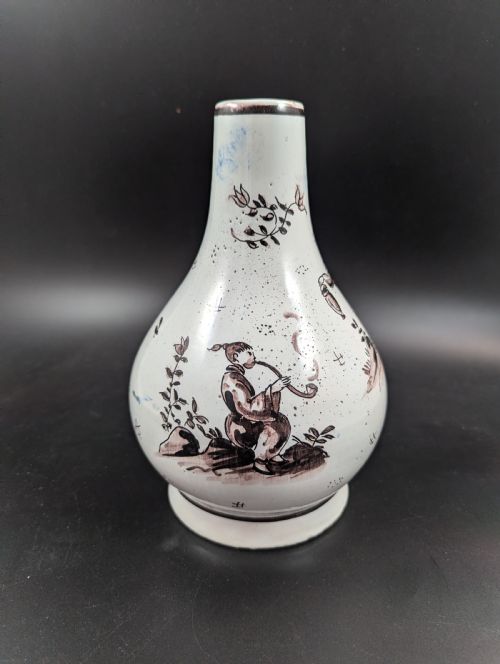
Apothecary jars and bottles held dry drugs, herbs, syrups, and ointments in dispensaries and apothecaries. Their sealed forms protected contents from moisture and air.
Larger jars often bore painted labels or decorative panels indicating the specific medicinal preparation contained within.
How do I date a delft vase?
Dating relies on stylistic shifts in painting, tin glaze composition, and vessel form across the seventeenth, eighteenth, and nineteenth centuries. Early pieces show different potting weights and glaze thicknesses compared to later production.
Comparing documented examples from the same period helps establish the likely decade of manufacture.
What is a puzzle jug?
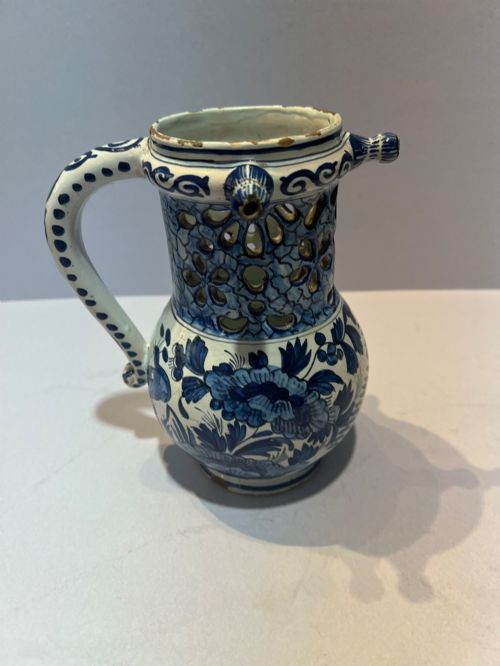
A puzzle jug is an interactive drinking vessel featuring perforated necks and multiple spouts that challenge the drinker to consume the liquid without spilling. They represent the playful side of historical ceramic production.
Potters constructed internal channels that required the user to cover specific hidden holes to draw liquid through the correct spout.
How do I care for antique pottery?
Keep these ceramic vessels away from direct sunlight and areas subject to sudden temperature fluctuations. Dust them gently with a dry, soft cloth.
Avoid using water or cleaning agents on tin-glazed earthenware, as moisture can penetrate old glaze fractures and damage the fabric.