




Dutch Baroque Wall Art
When you search for dutch baroque wall art, you are seeking centuries-old oil paintings and framed prints defined by deep shadows and dramatic lighting.
Dutch Baroque Wall Art
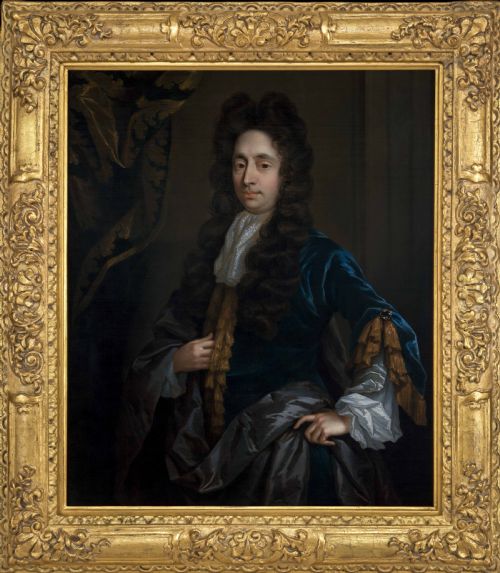
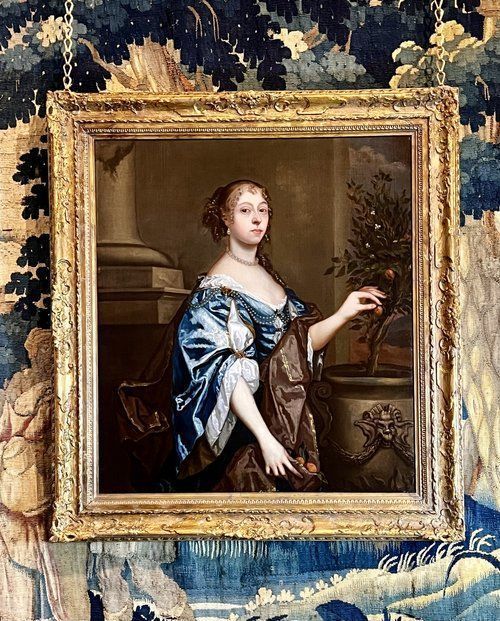
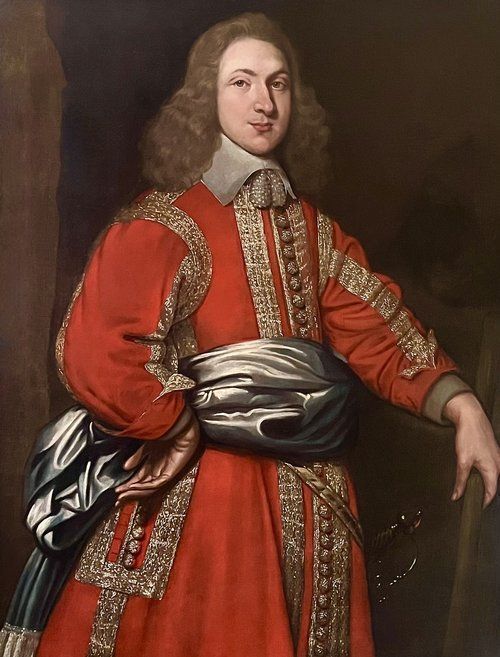
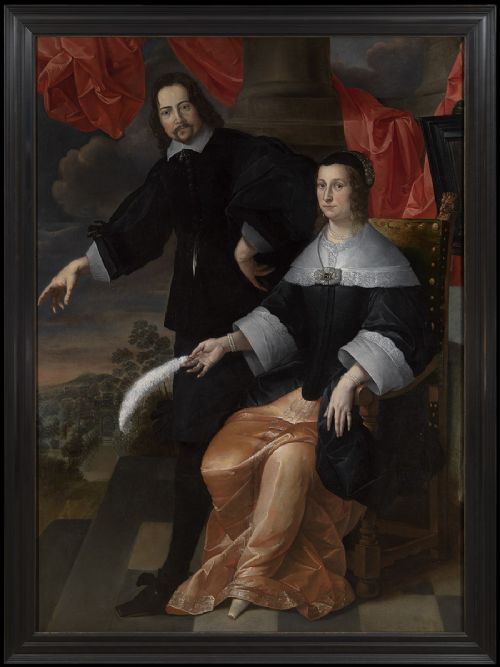
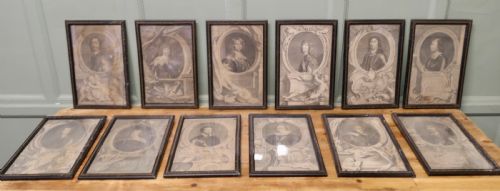
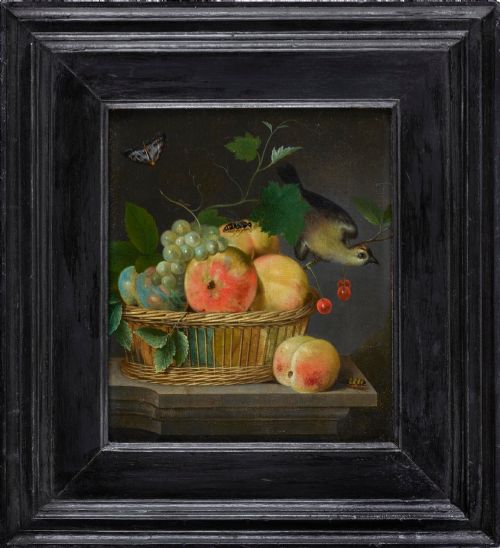
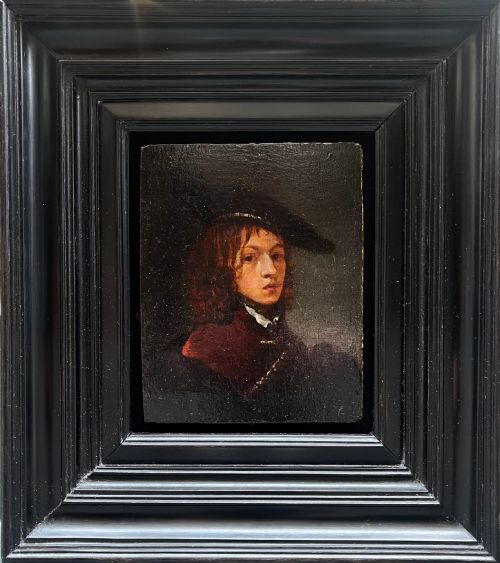
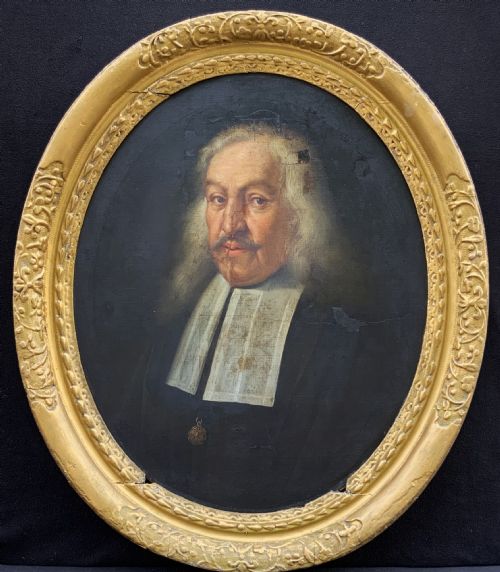
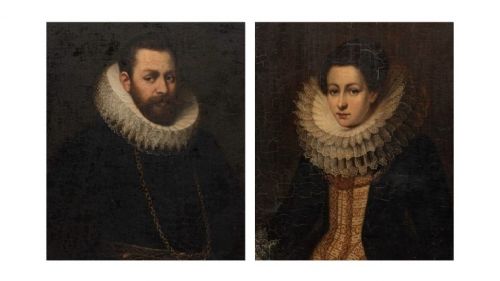
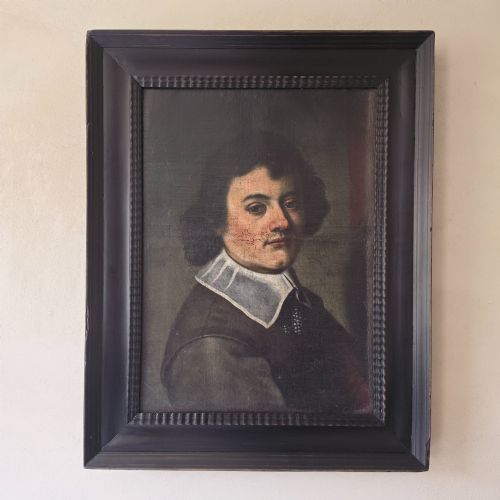
When searching for dutch baroque wall art, buyers encounter historical oil paintings and fine art prints that primarily date from the seventeenth century alongside later period interpretations. These works frequently depict solemn portraits of gentlemen, ladies, and military officers, as well as elaborate still lifes featuring fruit, flowers, and baskets.
The objects span varied formats including framed canvas paintings, architectural elements, and engraved plates from later centuries. Many items reflect the rich artistic traditions of northern European schools and subsequent nineteenth-century revivals.
How they were made
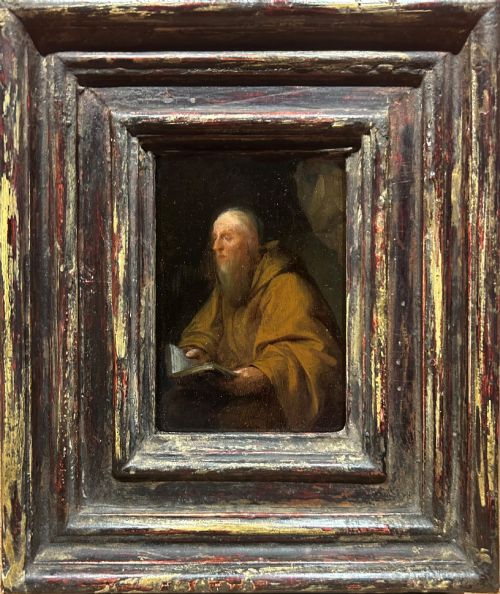
The physical objects on this page rely heavily on oil paint applied to canvas or wood panels, capturing fine details in textiles like ruff collars and satin dresses. Frames are constructed from wood and often embellished with giltwood and gold leafing to accentuate the painted scenes.
Engraved prints utilise dedicated plate-making techniques on paper, preserved behind protective framing. The application of multiple translucent oil glazes creates the characteristic depth and contrast seen across the painted works.
The listings span multiple centuries, ranging from seventeenth-century originals to nineteenth-century interpretations rendered in oil on canvas and wood.
What varies in quality
Quality in these historical paintings rests upon the precision of brushwork, particularly in the rendering of facial expressions, fabrics, and textures like animal fur or woven baskets. Works produced by named masters or direct circles command greater respect than later studio copies and derivative interpretations.
The preservation of the original canvas, the stability of the wood support, and the presence of period-appropriate framing heavily influence the standing of any given piece within its historical category.
Constantyn Netscher·Pieter Borseler·Gaspar Peeter Verbruggen·Nicolaes Maes·Philipp Ferdinand de Hamilton·Pieter Nason·Philips Wouwerman
The Dutch Baroque Wall Art Glossary
- Baroque
- A European style of art from the seventeenth and early eighteenth centuries characterised by exaggerated motion, deep shadow, and clear detail to produce drama. This aesthetic defines the heavy contrast and intense lighting found in these compositions.
- Oil on canvas
- A painting medium where pigments are suspended in drying oils and applied to stretched woven fabric. This technique allowed artists to blend tones smoothly and build rich layers of colour.
- Still life
- A work of art depicting mostly inanimate subject matter, typically commonplace objects which may be either natural or man-made. The listings frequently feature arrangements of fruit, flowers, and household goods.
- Ruff
- A projected starched collar worn by nobility and the upper classes during the sixteenth and seventeenth centuries. Intricate examples appear prominently in many of the period portraits listed.
- Provenance
- The chronology of the ownership, custody, or location of a historical historical object. Documented history aids in verifying the authenticity of works attributed to specific artists or schools.
Dutch Baroque Wall Art: Frequently Asked Questions
What is dutch baroque wall art?
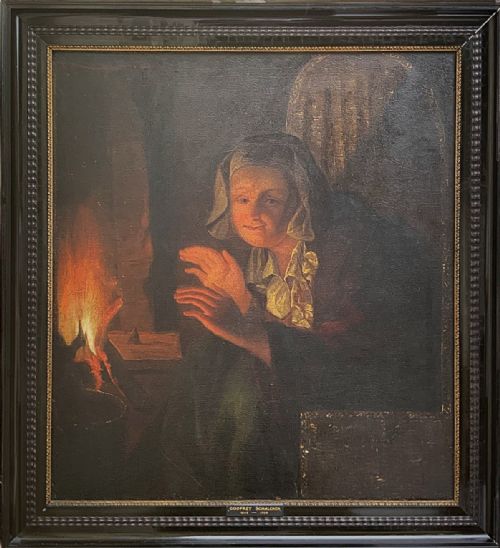
These pieces comprise historical paintings and prints originating primarily from the seventeenth-century Golden Age and subsequent revival periods. They focus on moody portraits, detailed still lifes, and domestic scenes.
The artwork relies on dramatic light and shadow contrasts to create depth and emotional intensity, reflecting the domestic and cultural values of northern European society.
How do I identify a seventeenth-century portrait?
Seventeenth-century portraits often feature specific historical attire such as lace ruffs, velvet coats, and satin gowns. The subjects are rendered with sombre expressions against dark, neutral backgrounds.
Signatures or attribution marks may offer clues, though many surviving works are linked to specific schools of painting rather than individual masters.
How should I care for an antique oil painting?
Antique oil paintings require stable indoor humidity and temperature to prevent the canvas and wood from warping. Direct sunlight should be avoided to protect pigment integrity.
Dusting must be done gently with a soft, dry brush, avoiding any chemical cleaning agents or direct moisture on the painted surface.