


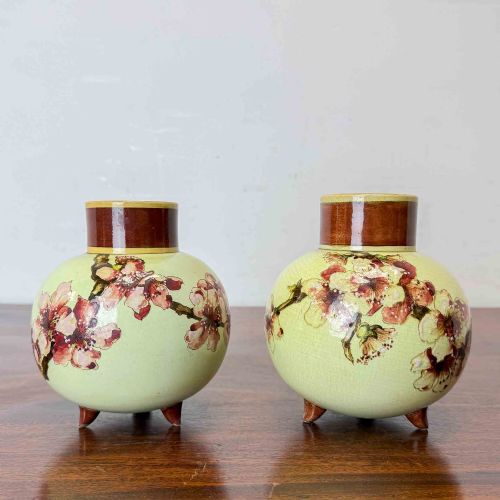


Doulton Pottery Vessels
Doulton pottery vessels encompass decorative stoneware and earthenware pieces produced from the Victorian period through to the nineteen thirties.
Doulton Pottery Vessels
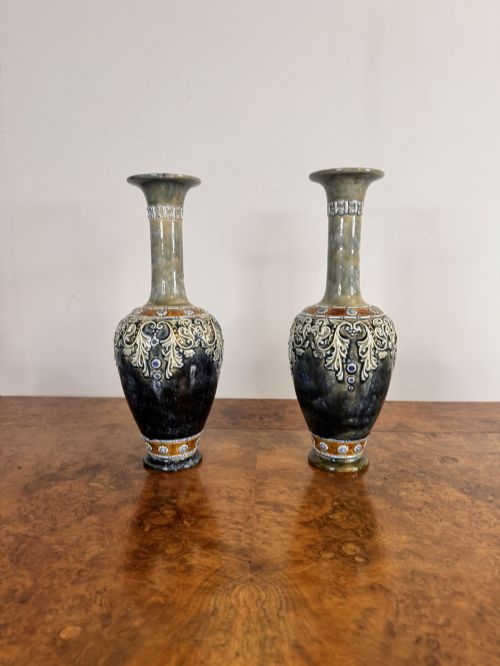
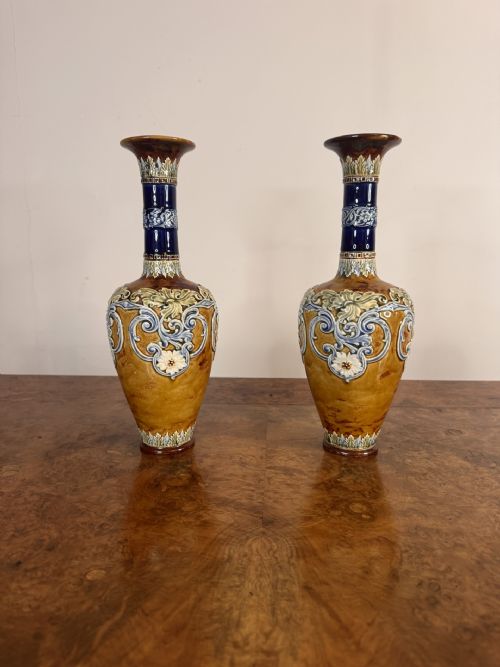
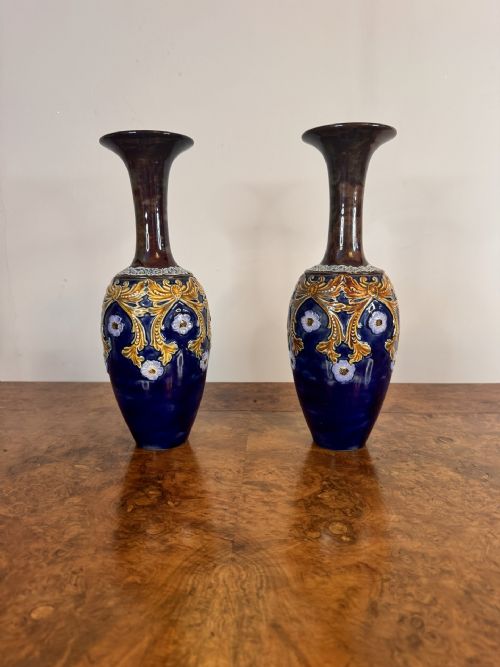
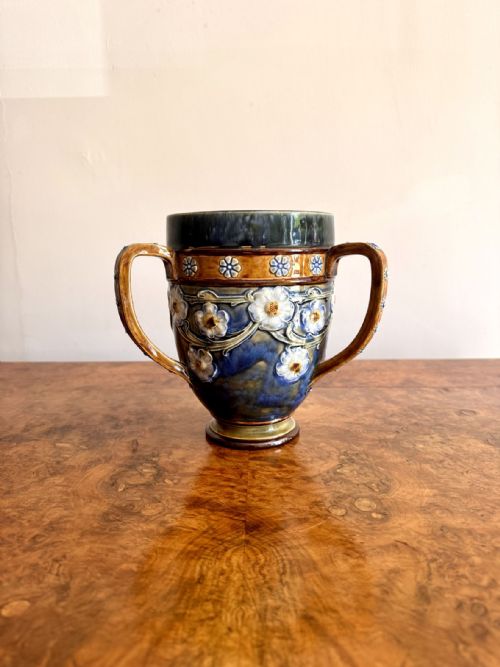
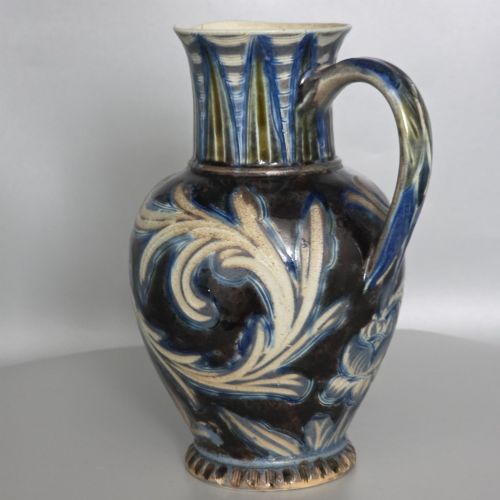
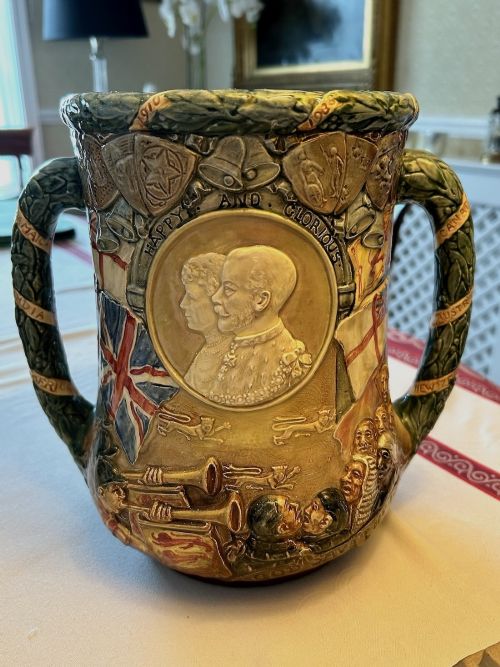
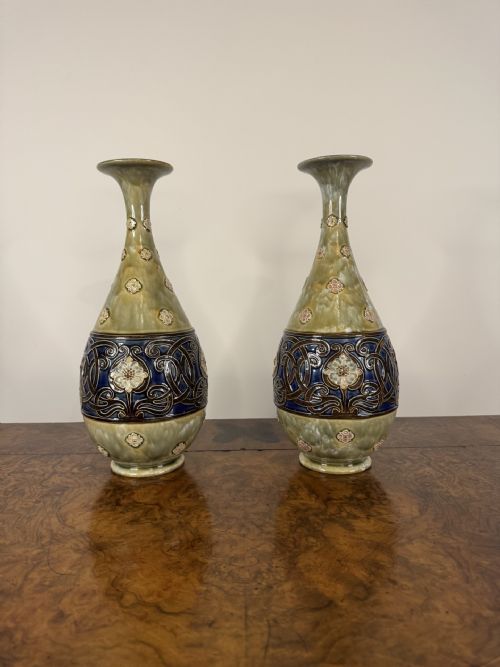
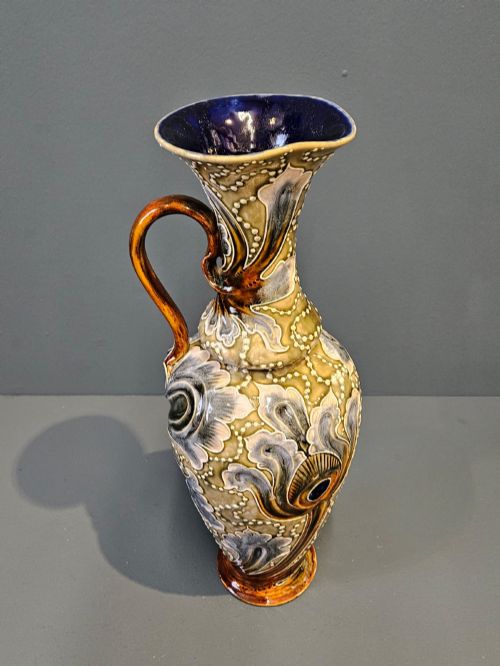
Doulton pottery vessels include vases, jugs, pitchers, jardiniere and commemorative loving cups spanning the nineteenth and twentieth centuries. These objects reflect various periods from Victorian production up to nineteen thirty, incorporating distinctive stylistic shifts.
The most common examples on this page are stoneware vases and jugs originating from the Victorian era and the nineteen hundreds. Many pieces bear the Doulton Lambeth mark alongside specific studio assistant signatures from these productive decades.
How they were made
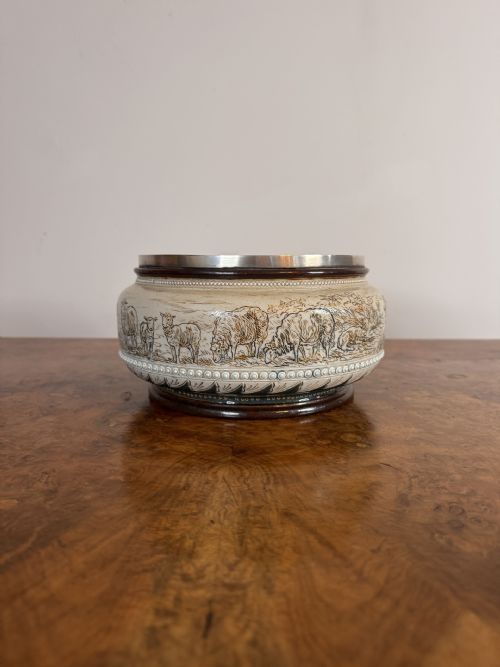
Makers utilised stoneware and earthenware bodies, applying salt glaze, enamel and coloured glazes to achieve varied surface textures. Incised decoration and sprigged details frequently appear across the available forms.
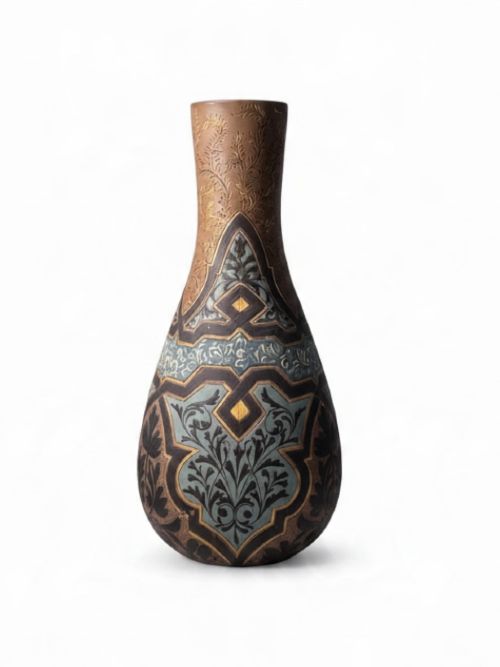
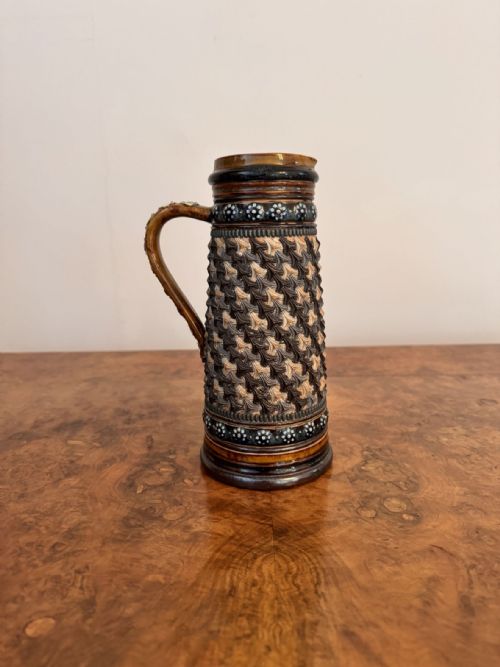
Specialised techniques such as Slaters Patent methods and Intarsio faience decorate the surfaces of specific vases and jugs. Handpainted elements complete pieces from later twentieth century periods.
Doulton Pottery Vessels Retail Price Guide 2026
Typical asking prices for doulton pottery vessels among the pieces listed under this phrase on Sellingantiques today, from the lower quarter to the upper quarter. They describe what is for sale here now, not the wider market.
Listings feature stoneware and earthenware materials across Victorian, Art Nouveau and Art Deco styles.
What varies in quality
Execution of incised patterns and handpainted detail separates standard production items from pieces bearing named artist signatures. Well known studio artists contributed distinct artistic merit to individual works.
Complexity of form and the presence of silver mounts or specific enamel floral decor influence the standing of particular vessels within the wider ceramic output.
Alice Euphemia Thatcher·Florence E Barlow·Louisa Wakely·Eliza Simmance·Emily Stormer·Ethel Beard
The Doulton Pottery Vessels Glossary
- Stoneware
- A robust ceramic material fired at high temperatures until vitrified. This dense body resists liquids without requiring interior glazing.
- Salt glaze
- A glassy texture formed by throwing common salt into the kiln during high temperature firing. This process creates a characteristic orange peel surface on stoneware.
- Faience
- Tin glazed earthenware decorated with painted designs before firing. Doulton Lambeth produced colourful examples utilising this continental technique.
- Loving cup
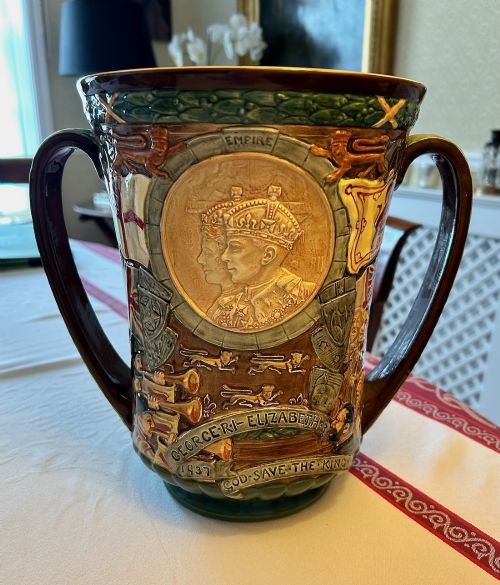
- A large drinking vessel typically featuring two or more handles for passing among guests. Commemorative editions often mark royal jubilees and coronations.
- Tyg
- A traditional drinking vessel with multiple vertical handles arranged around the body. These sturdy ceramic mugs date back centuries but appear in later Victorian iterations.
Doulton Pottery Vessels: Frequently Asked Questions
How do I identify Doulton Lambeth pieces?
Look for impressed factory stamps on the base alongside incised monogram initials of the individual studio artists who decorated the pottery.
These marks help distinguish the earlier stoneware productions from subsequent twentieth century Royal Doulton manufactories.
What is Slaters Patent pottery?
Slaters Patent describes a textured surface technique where lace or fabrics were pressed into the damp clay before firing. Enamel floral decor was often added subsequently within the impressed patterns.
This method produced distinctive patterned backgrounds seen on nineteenth and twentieth century vases and jugs.
Were these vessels used or displayed?
Many items served practical functions as jugs, beakers and loving cups during historical events and daily life. Other decorative vases and jardinieres were intended strictly for interior ornamentation.
Commemorative pieces often marked royal occasions like coronations and jubilees rather than seeing active service.
How should I clean antique ceramic vessels?
Dust stoneware and glazed earthenware gently with a soft dry cloth to preserve the delicate enamel and salt glaze surfaces. Avoid using harsh chemical cleaners or submerging pieces with silver mounts in water for extended periods.
Careful handling protects both the exterior decoration and the historic ceramic body.