





Doulton Ceramic Art
Doulton ceramic art brings together distinct periods of British pottery, offering collectors robust stoneware, delicate bone china figurines and glazed earthenware.
Doulton Ceramic Art
When someone searches for doulton ceramic art, they encounter a wide array of functional and decorative items spanning the Victorian era through the mid-twentieth century. The selection ranges from robust jugs and jardiniere sets to delicate bone china figurines and loving cups.
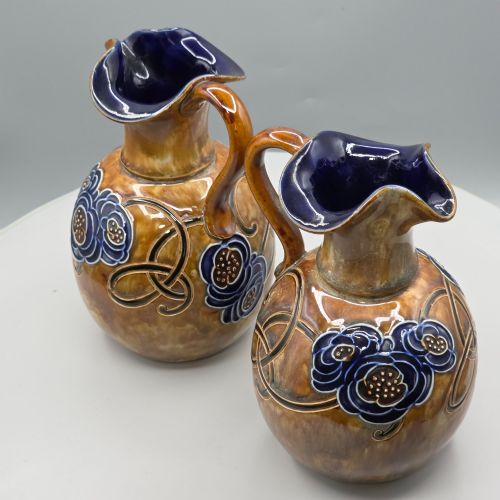
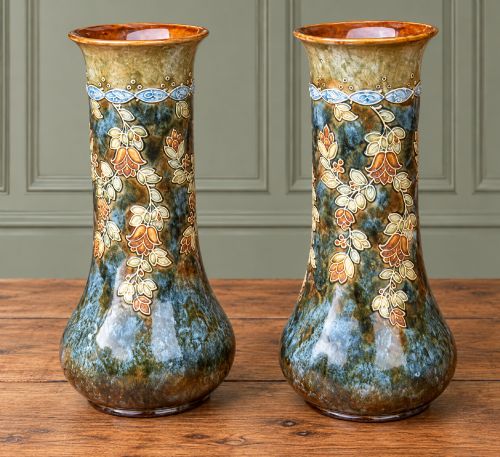
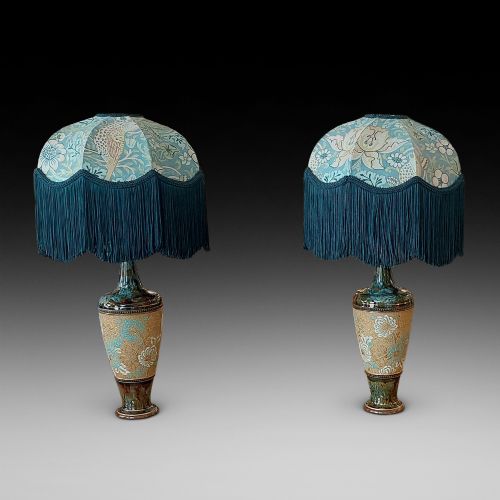
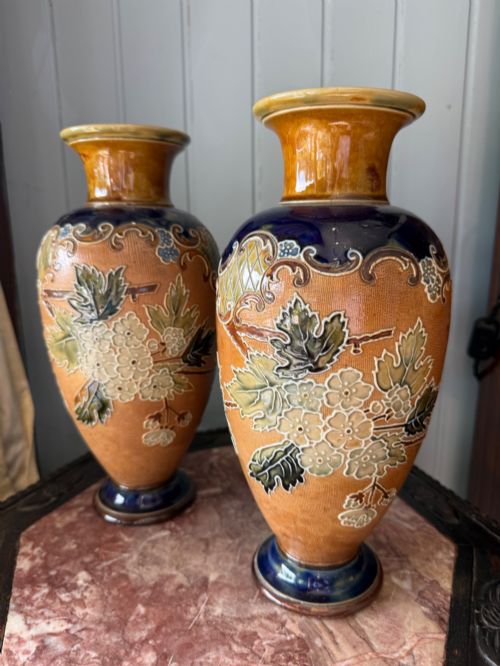
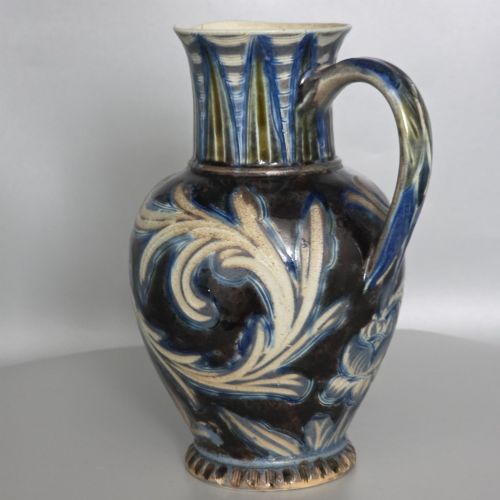
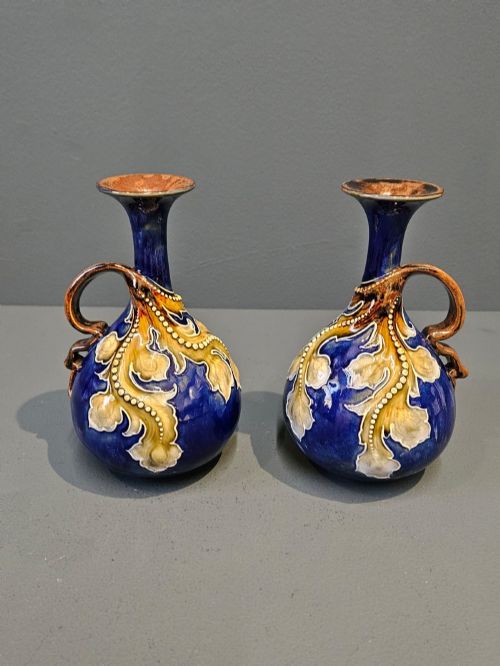
Vases and ewers dominate the selection, often bearing the characteristic textures of Lambeth production alongside colourful glazed surfaces. Alongside these vessels, collectors find specialised forms such as tygs, chamber sticks and lamps.
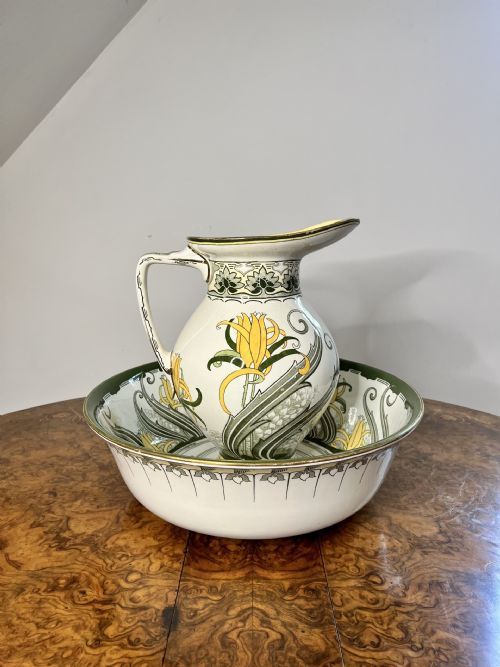
The objects bridge the divide between industrial output and studio pottery, reflecting stylistic shifts from nineteenth-century ornamentation through Art Nouveau and Art Deco designs. Pieces frequently display specific regional marks, connecting them directly to factories in Lambeth and Burslem.
How They Were Made
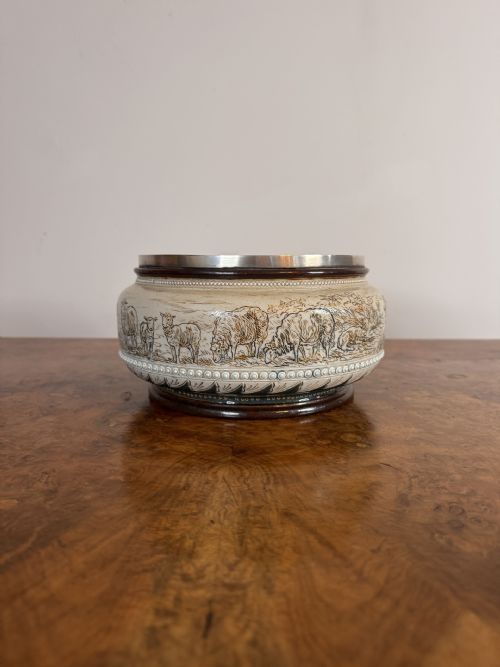
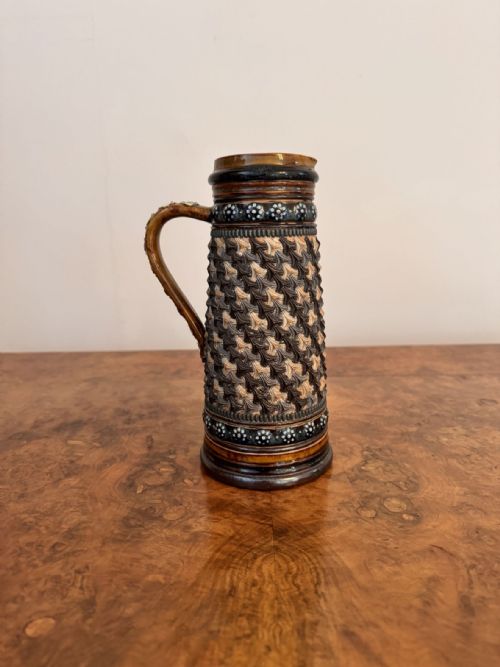
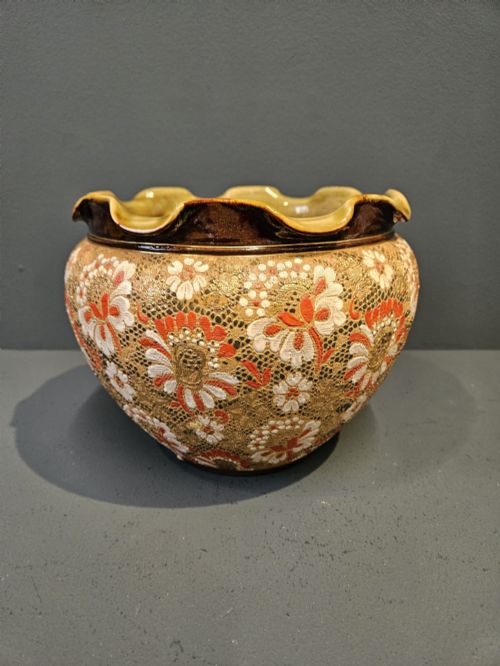
Maker techniques rely heavily on durable stoneware bodies, which artists decorated using incised patterns, raised motifs and applied enamel. Slaters patent finishes introduce textured lace or fabric impressions directly into the clay surface before firing.
Many items combine thrown clay forms with hand-painted details, utilising specialised glazes that create subtle autumnal tones or deep metallic lustres. Bone china pieces undergo delicate casting processes followed by precise polychrome enamelling.
The integration of faience and intarsio methods allows for rich pictorial decoration beneath the glaze, capturing the detailed brushwork characteristic of late nineteenth-century studio output.
Doulton Ceramic Art Retail Price Guide 2026
Typical asking prices for doulton ceramic art among the pieces listed under this phrase on Sellingantiques today, from the lower quarter to the upper quarter. They describe what is for sale here now, not the wider market.
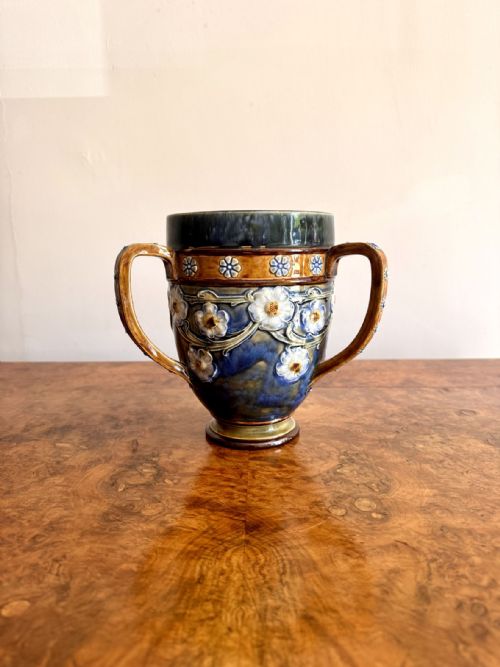
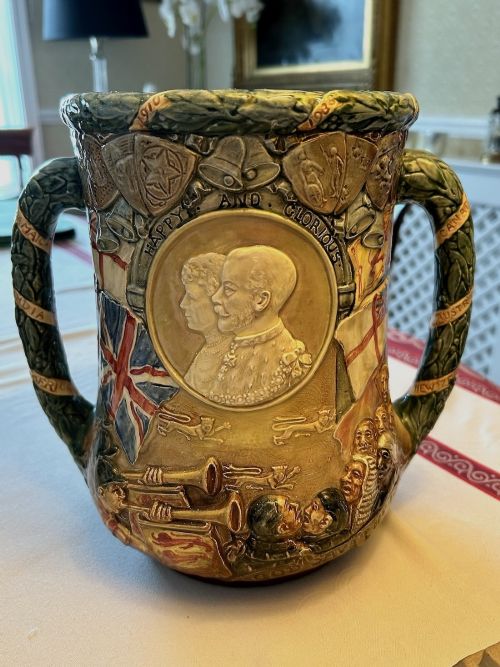
Some loving cups were built for three handlers to steady together.
What Varies in Quality
Distinction across the range rests upon the complexity of the surface decoration and the involvement of named artists. Pieces bearing individual monograms or signatures from prominent studio decorators command greater attention than standard factory output.
Execution of form and glaze control further define the hierarchy of pieces. Crisp incising, balanced proportions and harmonious colour application elevate standard vessels into notable examples of period design.
Royal Doulton·Doulton Lambeth·Doulton Burslem·Florence E. Barlow·Eliza Simmance·Frank Butler·Alice Euphemia Thatcher·Louisa Wakely·John H. Plant·Ethel Beard·Emma Shute
The Doulton Ceramic Art Glossary
- Stoneware
- A hard, vitrified ceramic fired at high temperatures, making it impervious to liquid without needing a glaze. It forms the robust body of most Lambeth production.
- Slaters patent
- A technique where lace, fabrics or textured materials are pressed into damp clay to create intricate patterns before glazing. This method produces distinctive textured backgrounds.
- Tyg
- A large drinking vessel featuring multiple handles, designed for communal passing during toasts. These heavy ceramic cups often incorporate silver mounts or detailed incised decoration.
- Faience
- Earthenware decorated with painted designs applied directly onto an opaque tin glaze before firing. It permits vibrant, painterly compositions across vases and plaques.
- Intarsio
- A specialised underglaze earthenware decoration technique developed to mimic inlaid wood or mosaic work. It yields rich, colourful pictorial surfaces.
- Baluster
- An architectural form featuring a rounded, bulging lower body tapering towards a narrow neck. Many decorative vases utilise this balanced silhouette.
Doulton Ceramic Art: Frequently Asked Questions
How do I identify Lambeth pieces?
Lambeth pieces are primarily stoneware and feature distinct incised or relief decorations often created by named artists. They frequently display impressed factory stamps specific to the London studio.
These items lean towards the Arts and Crafts and Art Nouveau styles, utilising earthy tones and textured surfaces distinct from later porcelain works.
What is Slaterware?
Slaterware refers to ceramics decorated by pressing real lace or woven fabrics into the damp clay body before firing. This leaves a permanent textured pattern across the surface.
Artists often highlighted these textured areas with gilt or coloured enamels to create contrast against the matte stoneware.
How should I display stoneware?
Stoneware vessels and jugs benefit from placement in stable environments away from direct, harsh sunlight to protect glaze finishes. Their robust composition requires minimal special handling beyond standard dusting.
Grouping pieces by period or form highlights the contrasting textures of glazed and unglazed surfaces.
Are figurines marked with numbers?
Figurines often feature painted or impressed numbers, such as the HN design codes used to record specific models. These numbers help determine the production era of porcelain figures.
Consulting manufacturer records alongside these numbers clarifies the release period for individual porcelain subjects.