






Doulton Art Pottery
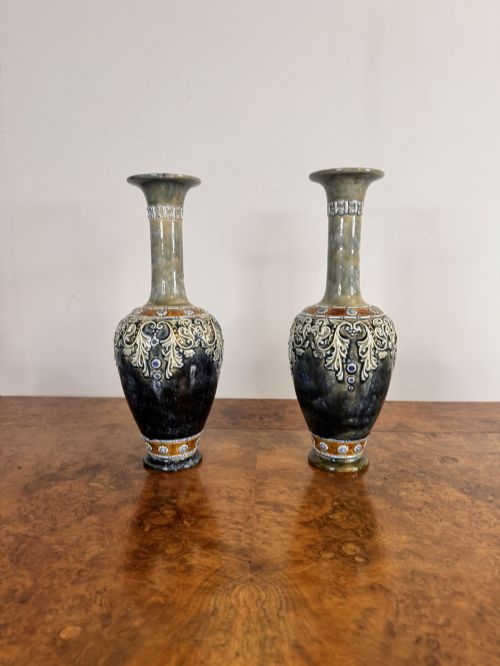
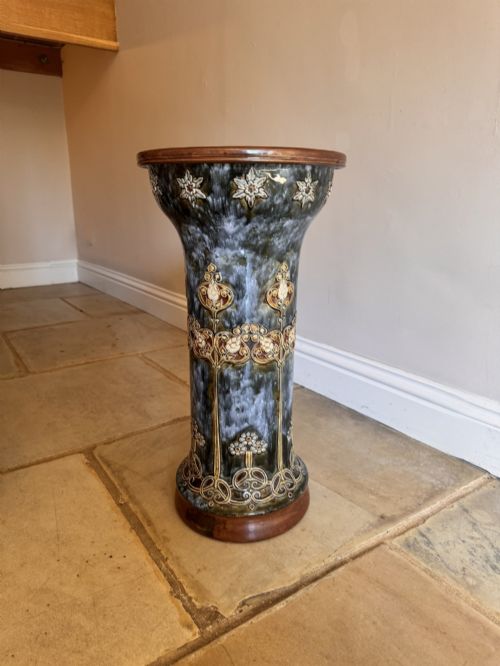
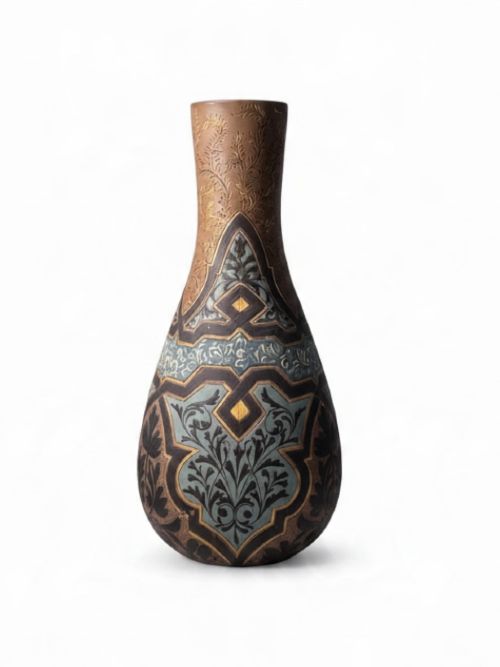
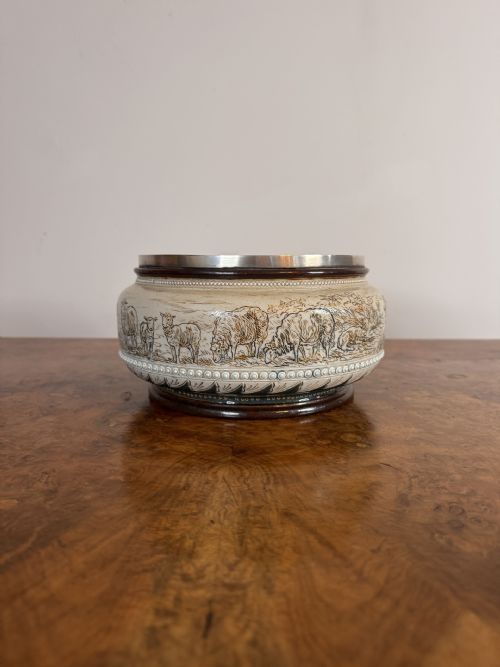
These pieces of doulton art pottery bring distinctive Victorian and Edwardian craftsmanship into a room through rich ceramic forms and patterned glazes.
Doulton Art Pottery
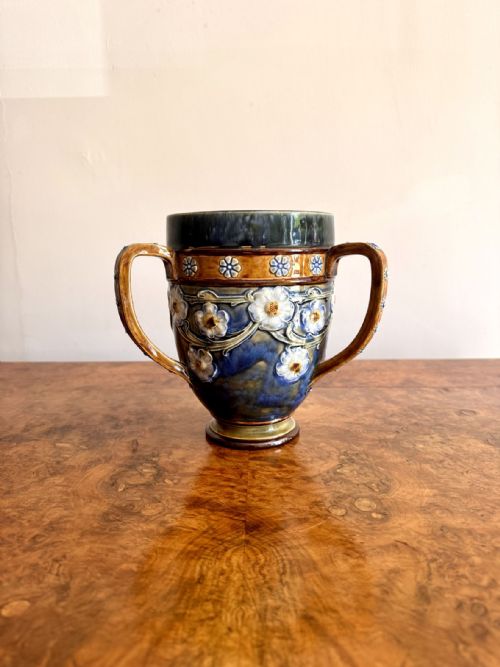
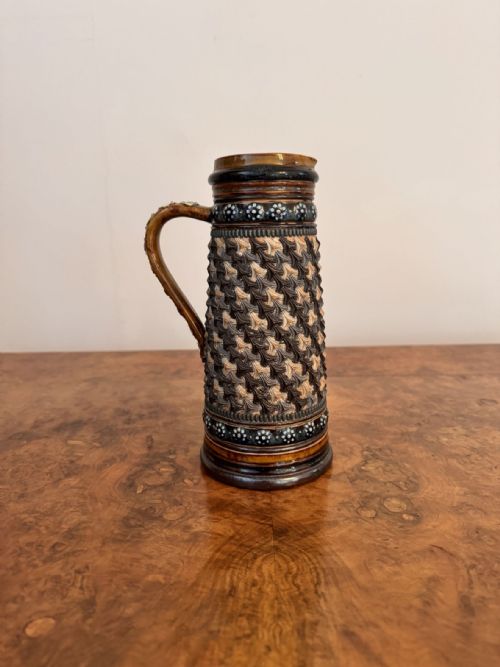
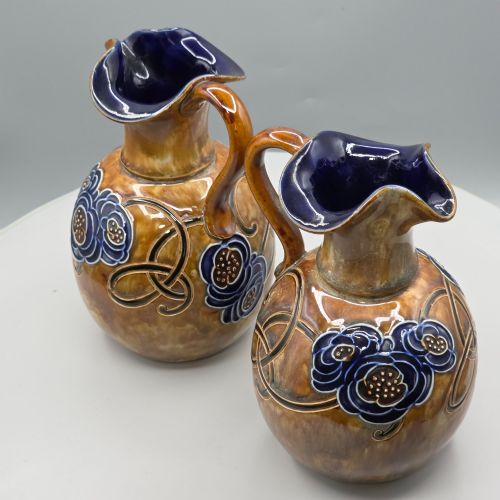
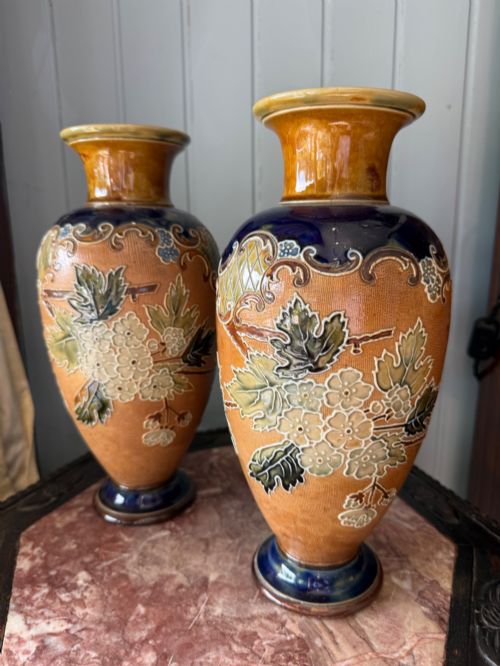
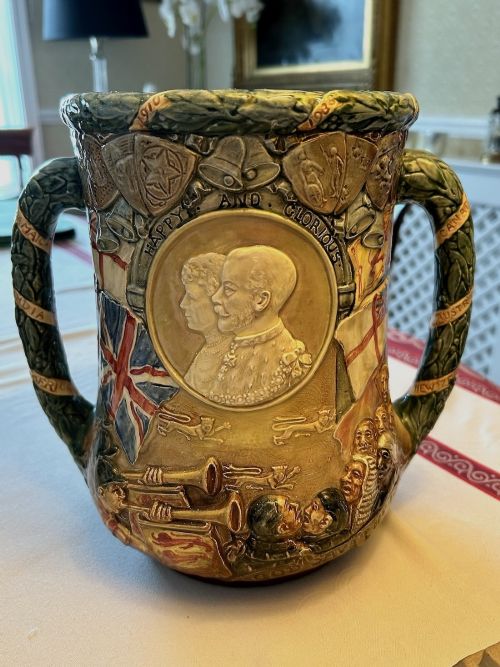
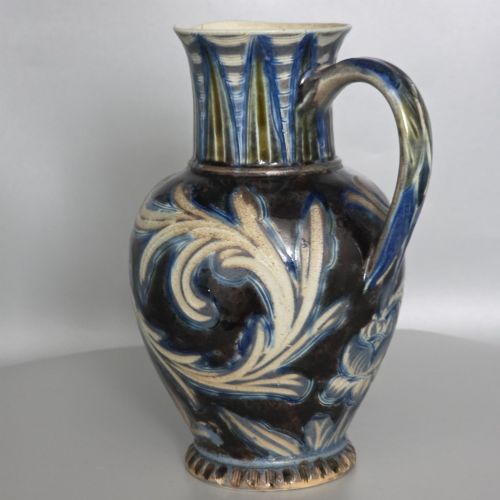
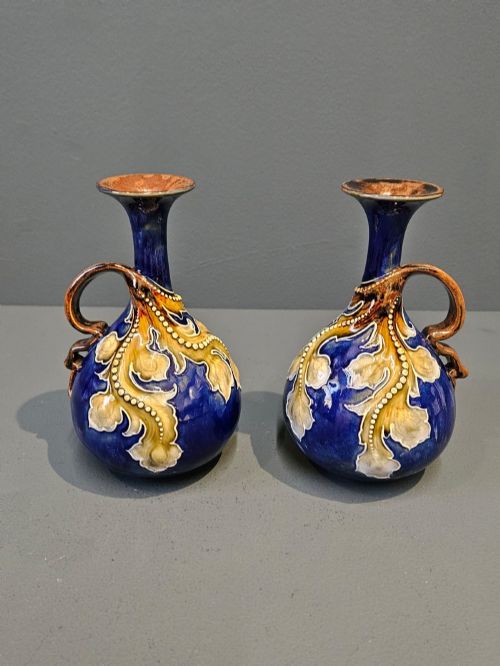
When you search for doulton art pottery, you encounter a distinct tradition of British ceramic manufacturing that flourished from the Victorian era into the early twentieth century. The pieces recorded here span from the eighteen-seventies through the nineteen-thirties, capturing major design movements including the Arts and Crafts style, Art Nouveau and Art Deco. Vases, jugs, ewers, and jardinières form the core of what you meet on this page, often created at the Lambeth studios or the Burslem works.
The most common items on this page are stoneware and earthenware vessels shaped as vases or pitchers, frequently bearing floral patterns, incised motifs or textured surfaces. Many examples carry specific artist ciphers and studio marks that link individual pieces directly to notable nineteenth and twentieth-century designers. Whether small chamber sticks or large baluster vases, these items reflect a period when utility and artistic expression merged in British pottery.
How they were made
Makers shaped these vessels primarily from heavy stoneware and ceramic bodies, utilising salt glaze and enamel finishes to achieve varied surface textures. Stoneware pieces often combine robust fired clay with intricate incised decoration, pate-sur-pate application, or raised beadwork.
Selected works incorporate decorative elements such as sterling silver rims or mounts fitted directly to the ceramic body. Hand-painted panels and printed transfer designs appear across earthenware and faience bodies, finished with transparent or coloured glazes before kiln firing.
Doulton Art Pottery Retail Price Guide 2026
Typical asking prices for doulton art pottery among the pieces listed under this phrase on Sellingantiques today, from the lower quarter to the upper quarter. They describe what is for sale here now, not the wider market.
Listings feature stoneware, ceramic, enamel, and sterling silver materials spanning periods from the Victorian era through the nineteen-thirties.
What varies in quality
The distinction between standard production items and premier examples rests on the depth of the hand-executed decoration and the presence of named artist signatures. Pieces worked by prominent studio hands display crisper incising, more balanced proportions, and careful individual painting compared to routine factory output.
The complexity of the glaze and the integration of specialised techniques like Intarsio faience or raised pate-sur-pate motifs determine the upper tier of the range. Furthermore, condition and the survival of original silver mounts influence the integrity of each piece.
Royal Doulton·Doulton Lambeth·Doulton Burslem
The Doulton Art Pottery Glossary
- Stoneware
- A hard, vitreous ceramic pottery fired at high temperatures until impervious to liquid. It forms the durable body for the majority of Lambeth art pottery vessels.
- Jardiniere
- A large ornamental ceramic pot or stand designed to hold a growing plant. These pieces frequently feature prominent relief decoration or hand-painted botanical motifs.
- Salt glaze
- A glassy, slightly textured finish created by throwing common salt into the kiln during high-temperature firing. This process produces a characteristic orange-peel surface texture on stoneware.
- Intarsio
- A specialised coloured earthenware technique developed at Burslem that imitates inlaid wood marquetry. It allows for complex multi-coloured patterns beneath a clear glaze.
- Slaterware
- A decorative ceramic technique utilising lace or fabric pressed directly into the damp clay body before firing to create a textured, patterned surface.
Doulton Art Pottery: Frequently Asked Questions
How do I identify Doulton Lambeth pottery?
Look for impressed factory stamps on the underside, which often include the Doulton Lambeth England circular mark alongside specific date c1880s or nineteenth-century designations. Individual artists frequently added their own monogram or cipher near the base.
Studying the specific combination of salt-glazed stoneware bodies, incised floral patterns, and beadwork helps confirm the Lambeth origin distinct from later Burslem production.
How should I clean antique art pottery?
Dust ceramic and stoneware pieces gently with a dry, soft cloth to prevent any accumulation of dirt in incised grooves or textured glaze areas. Avoid using liquid cleaners, abrasive pads, or chemical solvents, particularly on items with enamel details or silver mounts.
Keeping the pottery away from direct sunlight and sudden temperature changes protects the integrity of the original glazes and fired body.
Are these pieces marked with artist signatures?
Many of the finer pieces feature hand-written monograms, incised initials, or stamped ciphers belonging to the studio artists who decorated them. These individual marks are typically located near the base alongside the primary factory stamp.
Identifying the specific monogram connects the vessel directly to known studio designers active during the Victorian and Edwardian periods.