

Double Size Bedstead
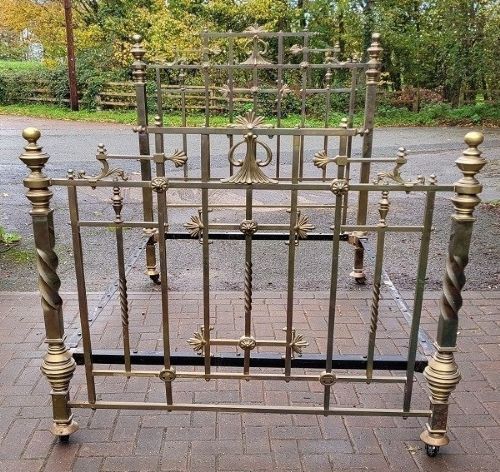
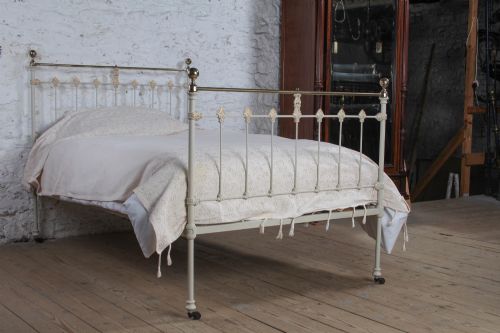
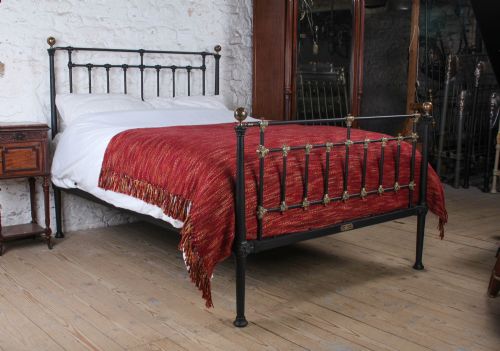
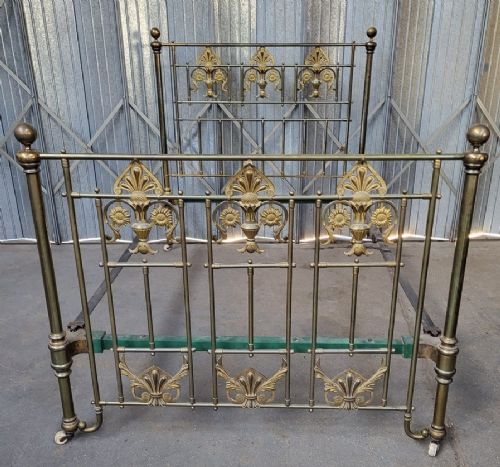
A double size bedstead provides a generous sleeping frame, combining period timber or metal work with structural durability for daily use.
Double Size Bedstead
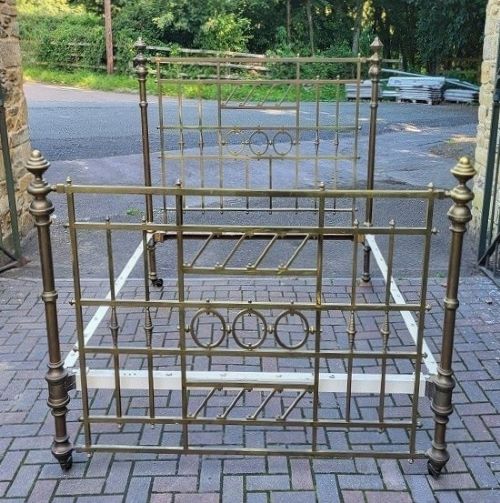
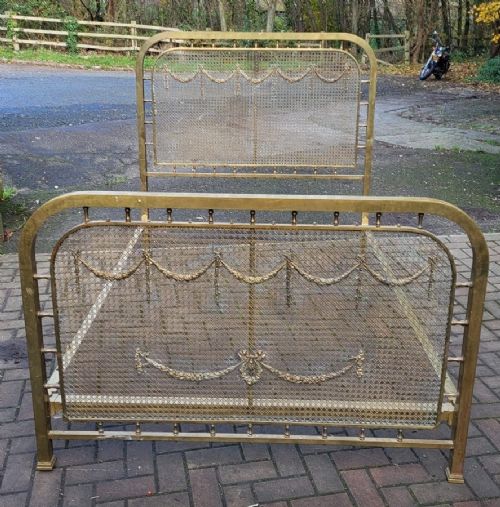
A double size bedstead encompasses wooden and metal frames designed to support standard sleeping arrangements from various historical periods. Buyers seeking this phrase frequently encounter Victorian and Edwardian examples constructed from brass, iron, or timber.
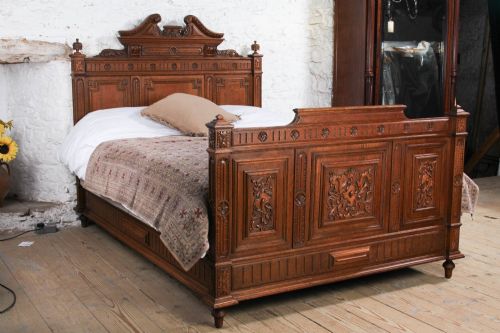
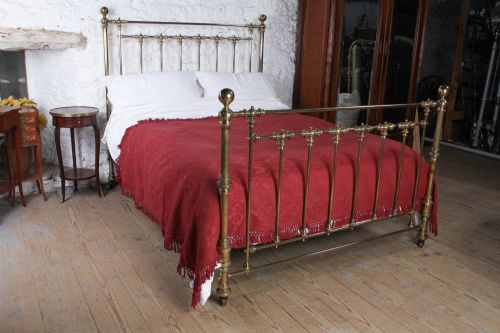
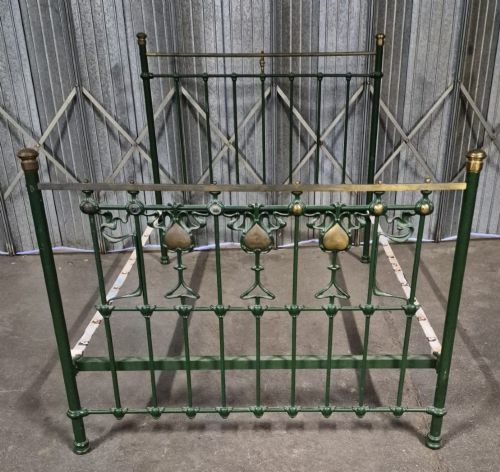
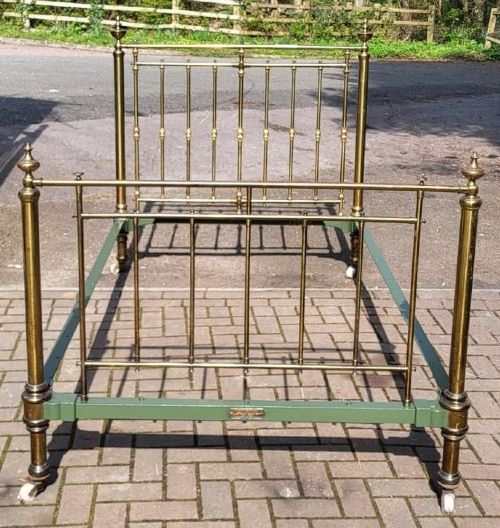
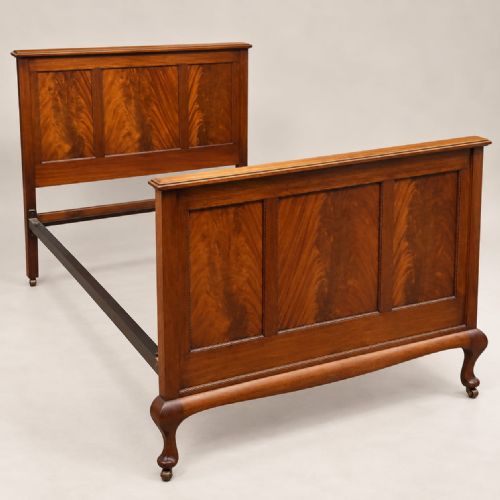
The material selection spans from gleaming brass and painted iron to rich woods like walnut, mahogany, and oak. These frames reflect stylistic influences ranging from straightforward Victorian utility to ornate French revival and geometric Art Deco designs.
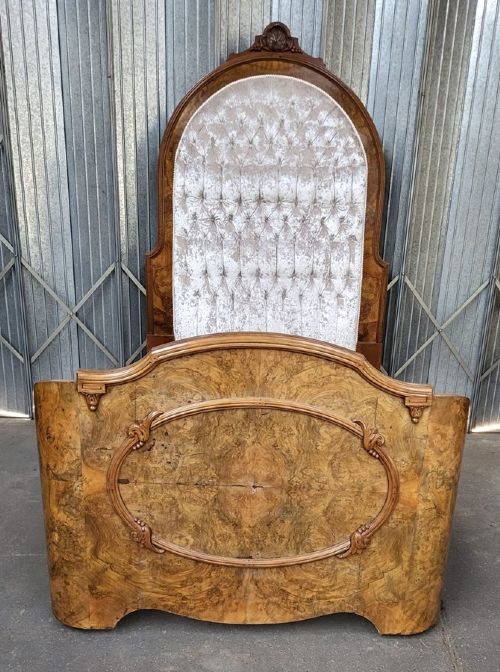
Many variants feature decorative headboards and footboards, sometimes incorporating high button back upholstery, carved panels, or half tester canopies. The configuration balances decorative presence with the practical proportions required for a bedroom.
Materials and Construction
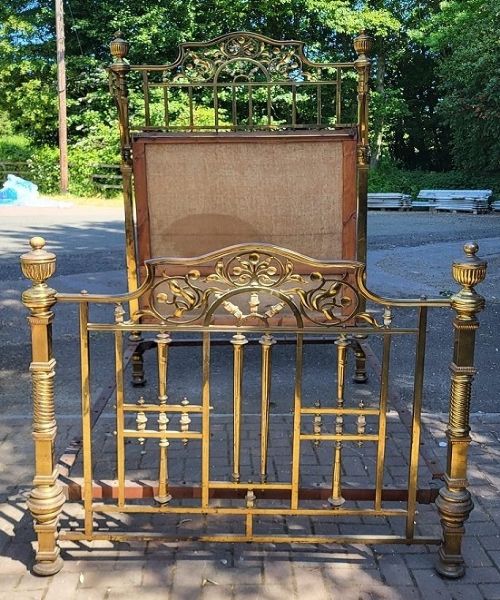
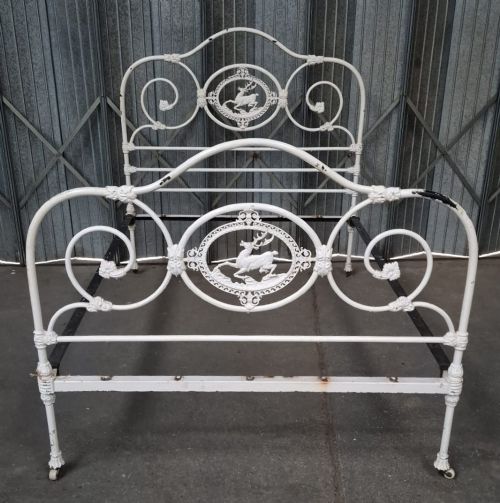
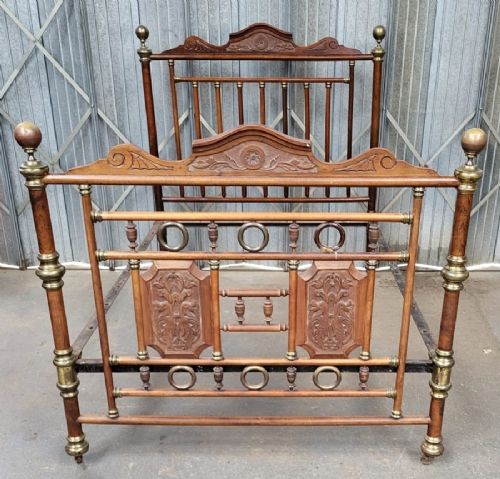
Metal bedframes utilise cast iron and brass, often combining sturdy structural iron with polished brass tubing, finials, and decorative mounts. These components were cast and joined to create robust, long-lasting supports.
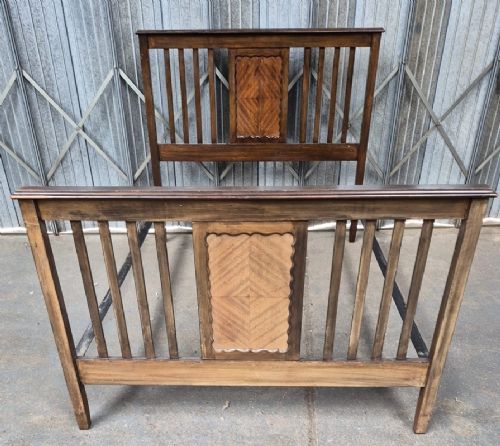
Wooden frames employ solid hardwoods such as mahogany, walnut, and oak, frequently enhanced with burr walnut veneers, intricate hand carvings, or inlaid details. Joinery techniques from the nineteenth and early twentieth centuries ensure the stability of headboards and side rails.
Double Size Bedstead Retail Price Guide 2026
Typical asking prices for double size bedstead among the pieces listed under this phrase on Sellingantiques today, from the lower quarter to the upper quarter. They describe what is for sale here now, not the wider market.
Listings feature brass, cast iron, walnut, and mahogany across Victorian, Edwardian, and Art Deco periods.
Quality and Craftsmanship
Superior examples display crisp, deep hand carving on timber frames or substantial gauge brass and ironwork with carefully finished joints. Lesser pieces rely on simpler cast elements and plain timber surfaces with minimal decorative refinement.
The integration of materials also dictates standing, where mixed brass and iron frames with elaborate detailing or figured burr walnut panels represent the more ambitious output of period makers.
James Shoolbread & Co.·Winfield·RW Winfield·Maple & Co.
The Double Size Bedstead Glossary
- Bedstead
- A framework of wood or metal that supports a mattress, forming the complete structure of a bed. It distinguishes the standalone frame from modern divan bases.
- Half Tester
- A canopy that extends only partway over the head of the bed, suspended from the wall or attached directly to the headboard. This feature offers a decorative focal point without enclosing the entire sleeping area.
- Burr Walnut
- Timber taken from the growth excrescence of a walnut tree, yielding highly figured and swirling grain patterns. It was frequently utilised for decorative veneer on high-status furniture.
- Upholstered
- Fitted with padding, springs, and fabric covering, often featuring buttoning on the headboard. This technique provided comfortable back support for sitting up in bed.
- Art Deco
- A design style emerging in the early twentieth century characterised by sleek geometric shapes and stylised motifs. In bedstead design, it manifests through streamlined walnut veneers and symmetrical forms.
Double Size Bedstead: Frequently Asked Questions
How do I choose the right bedstead size?
A double size bedstead offers standard proportions for two sleepers while accommodating historical room layouts.
Buyers should measure their available floor space and check whether the frame accepts modern mattress dimensions.
Are these beds compatible with modern mattresses?
Many period bedsteads accommodate standard mattress sizes, though older frames may require custom support slats.
Checking internal rail measurements ensures a correct fit for contemporary bedding.
How should I care for a wooden bedstead?
Wooden frames require periodic polishing with appropriate waxes to maintain the condition of mahogany, walnut, or oak surfaces.
Keeping timber away from direct heat sources prevents the wood from drying or splitting over time.
What maintenance do brass and iron frames need?
Metal frames benefit from gentle dusting and occasional cleaning with non-abrasive cloths to preserve the finish on brass elements.
Painted iron surfaces should be kept dry to prevent rust formation on structural components.