




Double Candle Holder
A double candle holder brings twin flames to a table, combining practical illumination with balanced symmetry across centuries of design.
Double Candle Holder
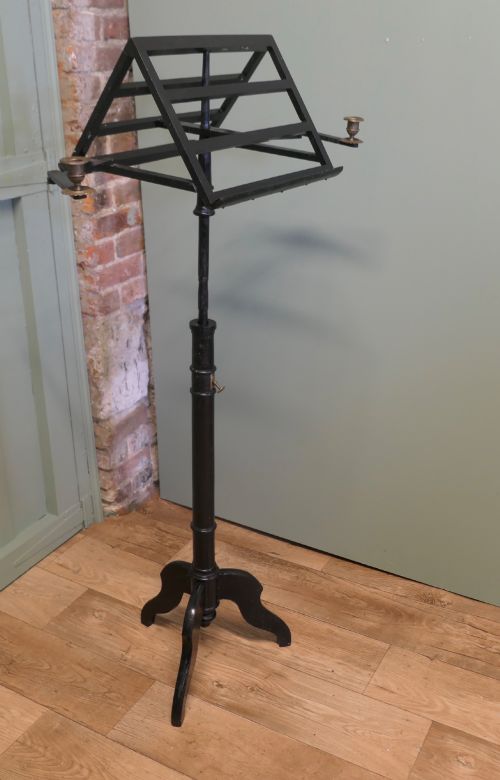
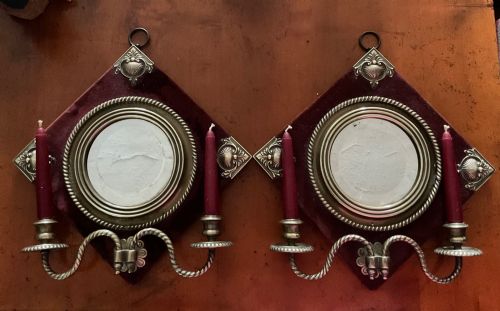
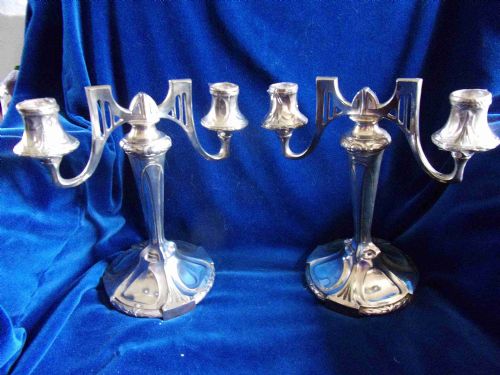
A double candle holder provides twin sockets for illumination, appearing across periods from the seventeenth century to the twentieth in brass, silver plate, sterling silver, and bronze. The forms span simple iron rushlights, swing arm chambersticks, and elaborate table candelabra with two branches.
Victorian and Edwardian silver-plated pairs dominate the selection, alongside French gilt bronze and Arts and Crafts pieces. Buyers encounter everything from low two-branch table candelabra to wall sconces and travelling ink sets fitted with candle sockets.
How they were made
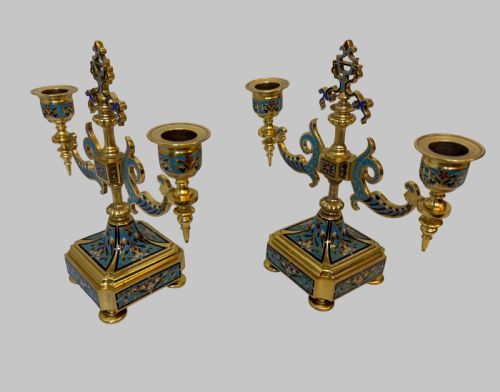
Metalworking techniques dictate the construction of these pieces, utilising cast brass, forged iron, and chased bronze alongside silver plating over base metals. Artisans employed champleve enamel and applied gilt finishes to enhance decorative metal surfaces.
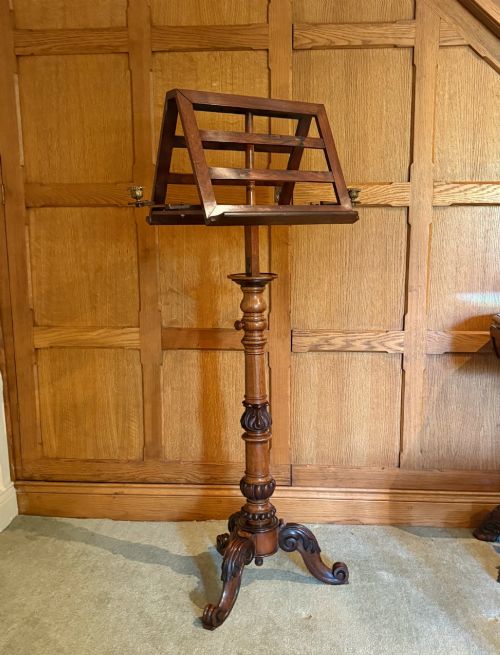
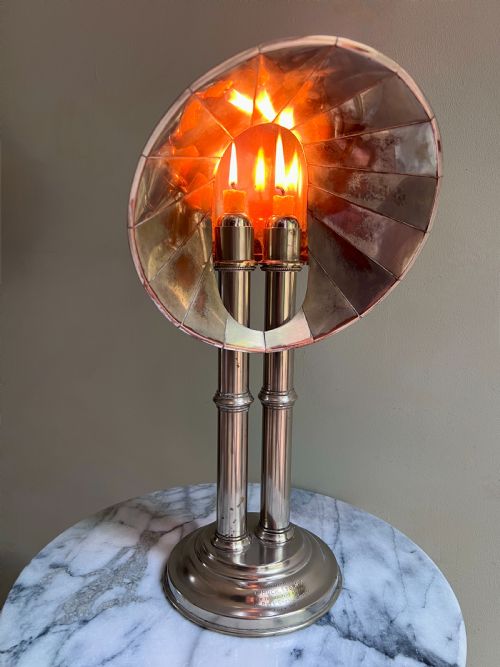
Glass components appear in cut glass shades and reflector lamps, paired with brass fittings and turned mahogany components in music stand hybrids. Sterling silver examples utilise traditional silversmithing methods, including casting, soldering, and hand engraving.
Double Candle Holder Retail Price Guide 2026
Typical asking prices for double candle holder among the pieces listed under this phrase on Sellingantiques today, from the lower quarter to the upper quarter. They describe what is for sale here now, not the wider market.
What varies in quality
The refinement of the casting and chasing separates standard production from superior examples, particularly in bronze and gilt metal work where crisp detail defines the foliage and figures. Maker attribution and original surface patination further distinguish finer items from later or heavily restored pieces.
Substantial weight in base metals and intact original plating indicate higher grade manufacture in silver-plated and brass items. The complexity of the dual arm mechanism and the integration of decorative elements like enamel or cut glass determine the upper tier of the range.
Gillows·Royal Worcester Hadley·Liberty·Clarkes
The Double Candle Holder Glossary
- Candelabra
- A large branched candlestick holding multiple tapers or candles. These branched fixtures often feature removable drip pans.
- Girandole
- An ornamental bracket wall mirror with candle arms attached to the frame. The reflective glass multiplies the light of the twin candles.
- Champleve
- An enamelling technique where troughs are carved into metal and filled with vitreous paste before firing. This colourful decoration often highlights nineteenth-century bronze work.
- Cricklite
- A patented brand of table lamp utilising cut glass shades and brass stands to hold miniature candles safely. Clarkes produced these popular Victorian lighting devices.
- Rushlight
- An early lighting device using a rush dipped in fat held by iron jaws alongside a candle socket. These primitive holders date to the seventeenth and eighteenth centuries.
Double Candle Holder: Frequently Asked Questions
How do I clean silver plated candle holders?
Use a soft cloth and a gentle silver polish formulated for plated items to preserve the underlying base metal. Avoid harsh dipping solutions that strip away thin plating layers.
Take care around soldered joints and embossed details where polish can accumulate and harden in the recesses.
Are double arm candle holders stable?
Most paired stands utilise weighted bases or wide footprints to counterbalance the weight of two candles extending outward from the centre. Heavier bronze and cast brass versions offer greater stability than lighter spelter pieces.
Placement on a level surface ensures safe burning when both arms hold lit tapers simultaneously.
What is the difference between a candelabra and a candlestick?
Candlesticks support a single candle in a vertical socket mounted on a central shaft and base. Candelabra feature branched arms that split the light source into two or more distinct flame points.
Many antique examples span these categories by utilising removable double-arm attachments on standard candlestick bases.
How do I date an antique candle holder?
Examine the construction marks, metal composition, and stylistic cues such as Jugendstil curves or Victorian ornamentation. Patents, maker stamps, and inscriptions provide precise chronological markers.
Wear patterns around the sockets and base help confirm the period of manufacture relative to the listed style.