





Double Bowl Glass
These double bowl glass pieces offer a fascinating blend of historical utility and craftsmanship that collectors seek for their tables and cabinets.
Double Bowl Glass
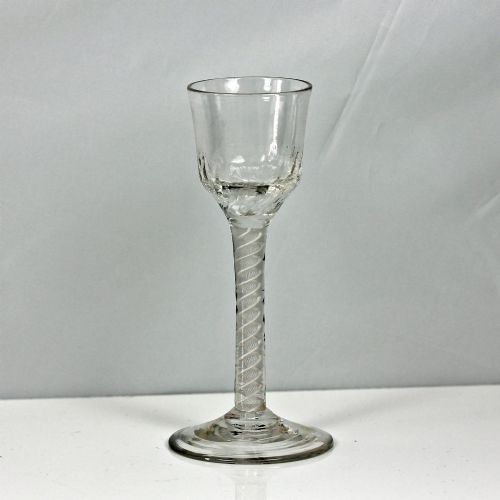
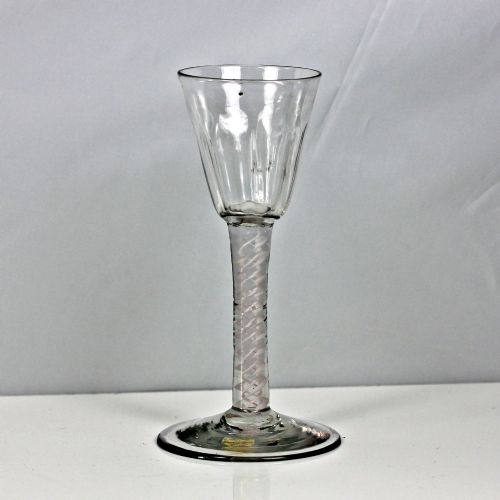
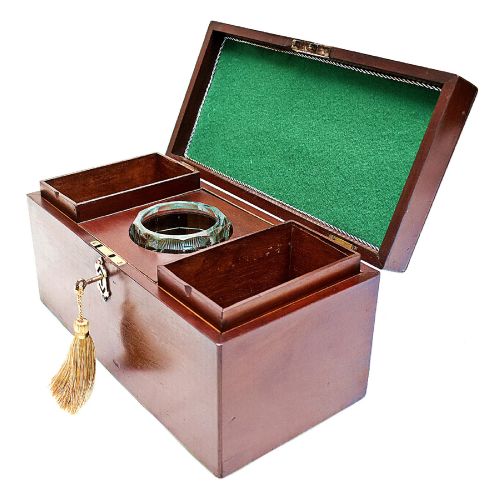
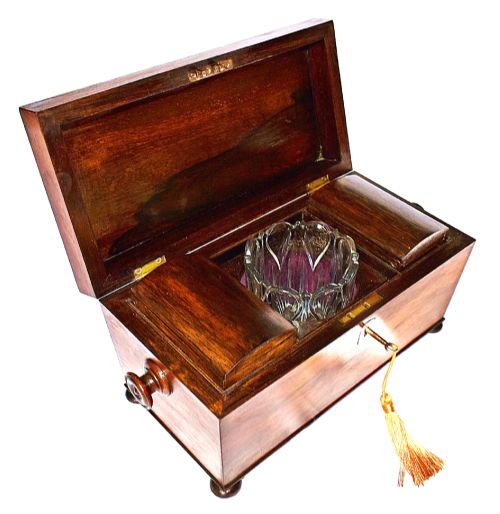
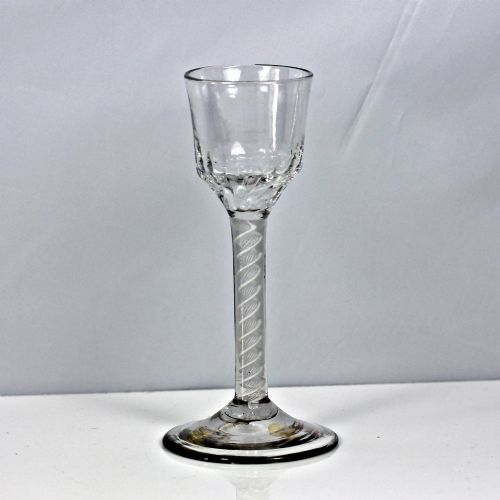
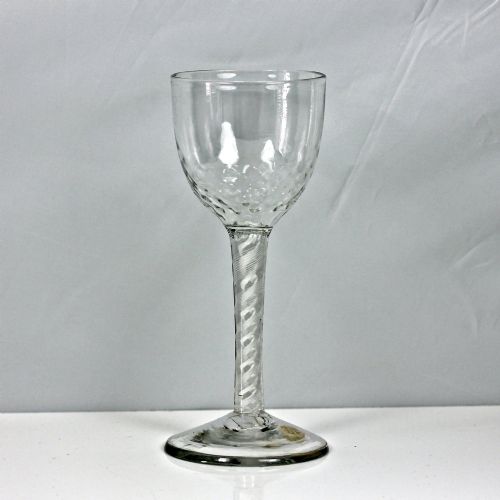
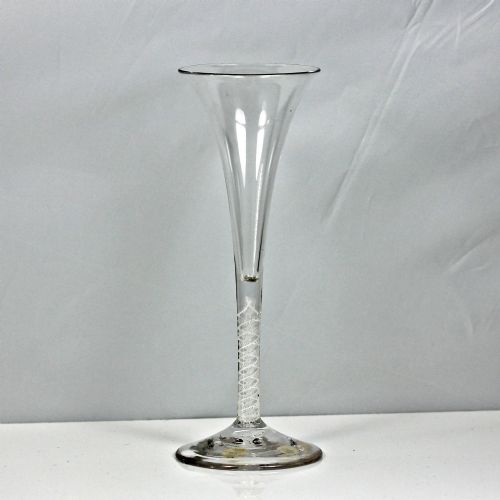
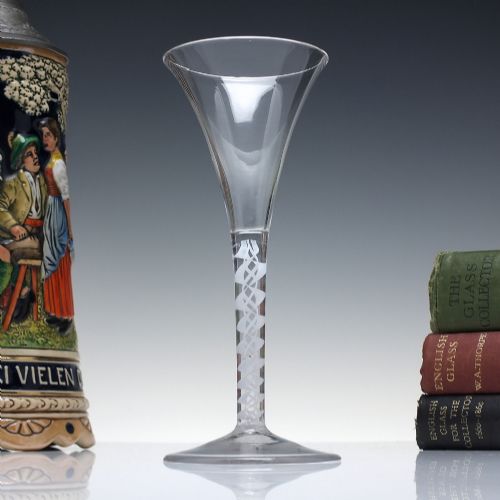
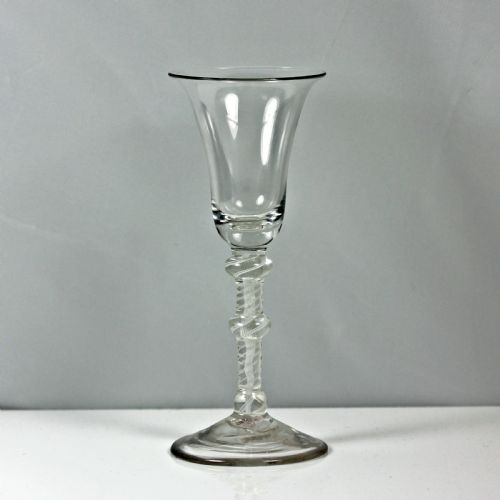
When you search for double bowl glass, you find a varied collection of historical vessels ranging from Georgian wine glasses with double series opaque twists to Victorian tea caddies equipped with glass mixing bowls and condiment stands. These items primarily serve functional roles in dining and hospitality, evolving from the drinking vessels of the eighteenth century to the desk and tea accessories of the nineteenth century.
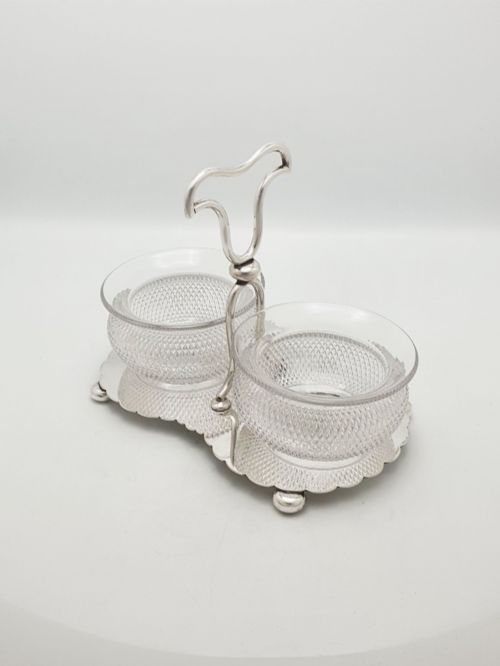
The most common examples encountered in this category include eighteenth-century wine glasses featuring complex opaque twists and nineteenth-century tea caddies containing internal glass bowls. Alongside these, condiment stands and twin preserve bowls appear from later periods such as the Edwardian era and the early twentieth century.
Originating across distinct stylistic periods including Georgian, Regency, and Victorian eras, these objects reflect the changing domestic habits of British households. The grouping bridges fine drinking glass and fitted wooden boxes with glass interiors, demonstrating diverse applications of glasswork in daily life.
Materials and methods
Makers utilised lead glass and clear glass to form the bowls and stems of drinking vessels, often employing complex glass-forming techniques to create double series opaque twists. These optical effects within the stems required skilled manipulation of white or coloured enamel threads encased within the clear metal.
Wooden housings such as mahogany appear frequently in pieces like tea caddies, combining cabinetmaking with fitted glass bowls and occasionally incorporating brass fittings, silver plate, or penwork decoration. For stands and preserve sets, silver plate provides the framework to hold twin glass components securely.
Double Bowl Glass Retail Price Guide 2026
Typical asking prices for double bowl glass among the pieces listed under this phrase on Sellingantiques today, from the lower quarter to the upper quarter. They describe what is for sale here now, not the wider market.
Tea caddies often kept the expensive leaves under lock and key, ensuring the household staff did not sample the brew.
Distinctions in quality
The refinement of the glassmaking technique dictates the standing of individual drinking vessels, particularly in the precision and symmetry of internal opaque twists and the shape of the bowl, such as ogee or trumpet forms. Finer examples display clarity in the metal and expert execution of cutting or moulding.
In fitted pieces like tea caddies, the quality rests on the choice of flame mahogany, the integrity of the internal glass mixing bowls, and the presence of original keys or delicate exterior ornamentation like penwork. Harmony between the woodwork and the glass elements determines the overall standard of the piece.
The Double Bowl Glass Glossary
- Opaque twist
- A form of glass stem decoration produced by enclosing white or coloured enamel glass threads within clear lead glass. This technique became popular in eighteenth-century British drinking vessels.
- Ogee bowl
- An S-curve profile curving out at the rim and in at the base, commonly seen on Georgian wine glasses. This shape directs the aromas of the drink towards the user.
- Sarcophagus form
- A box shape featuring a domed lid and tapering sides, resembling a classical stone coffin. Cabinetmakers frequently used this design for Regency and Victorian tea caddies.
- Monteith
- A bowl with a scalloped or notched rim originally used for chilling wine glasses. Georgian versions sometimes incorporated contrasting glass elements such as coloured rims.
- Double series
- A stem configuration in glass manufacture containing two distinct twists, such as a pair of spiral threads surrounding a central column of enamel.
Double Bowl Glass: Frequently Asked Questions
What are double bowl glass items used for?
These pieces serve various domestic functions, from serving wine and condiments to storing tea leaves alongside a central mixing bowl. Their uses reflect historical dining and hospitality customs.
Over time, items like tea caddies and condiment stands became central fixtures of the dining room and parlour, combining utility with visual display.
How do I date a glass piece with an opaque twist?
Opaque twist stems typically point towards the eighteenth century, particularly the Georgian period, when English and Scottish glasshouses refined this method.
Examining the bowl form, pontil mark on the base, and the composition of the lead glass helps confirm the period of manufacture.
Are wooden tea caddies with glass bowls original?
Many nineteenth-century tea caddies retain their original glass mixing bowls, which sat in a central compartment to blend different varieties of tea.
Matching the dimensions and glass characteristics to the period of the mahogany box helps verify that the bowl belongs to the caddy.
How should I care for antique glass and wooden caddies?
Antique glass requires gentle cleaning with lukewarm water and mild soap, avoiding harsh chemicals that might damage the surface or historical enamel elements.
Wooden housings benefit from occasional waxing to maintain the condition of the mahogany and protect any delicate exterior decoration.