



Domed Leather Trunk
A domed leather trunk provides robust storage while bringing centuries of tactile history into your room.
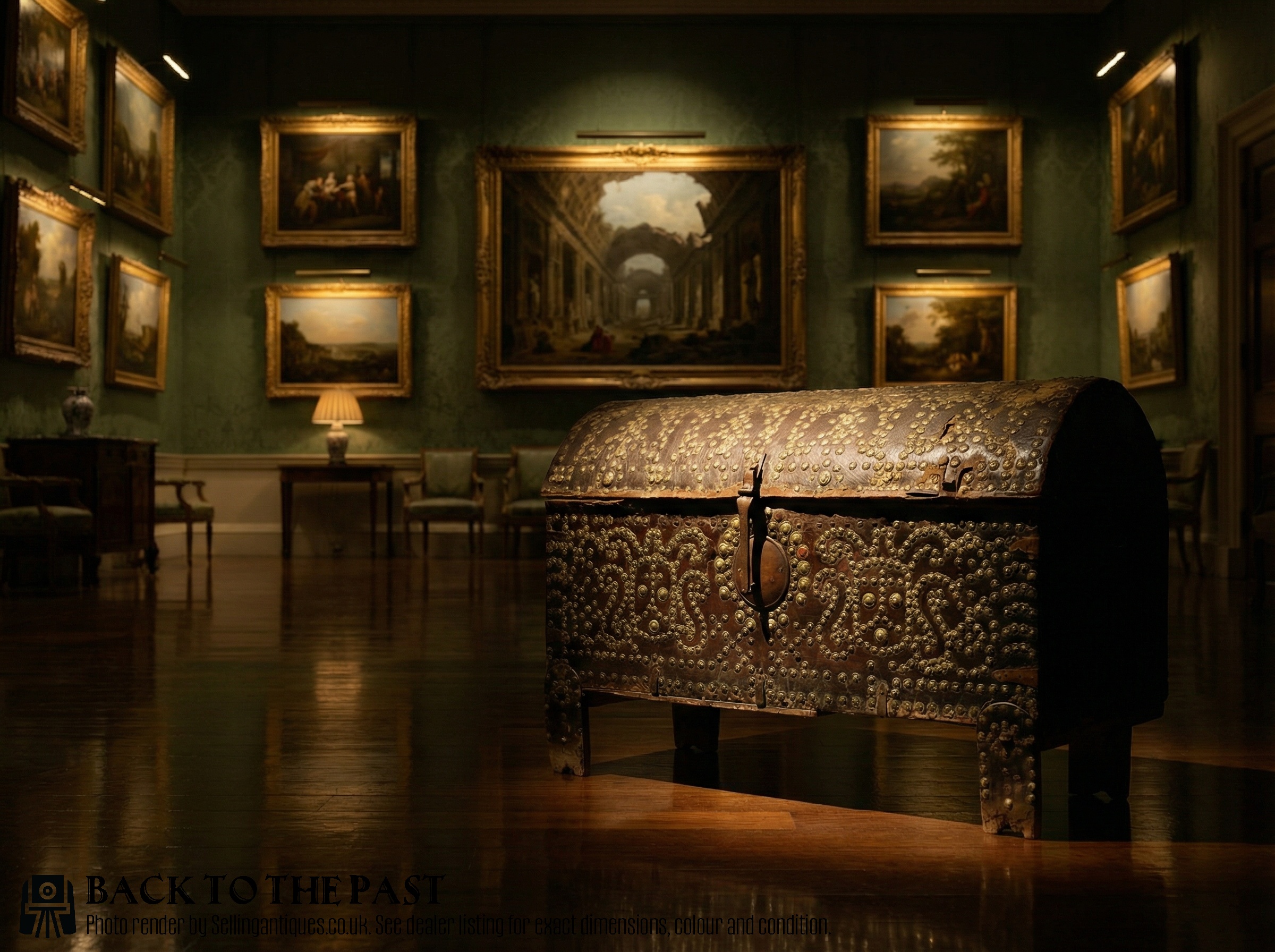
Domed Leather Trunk
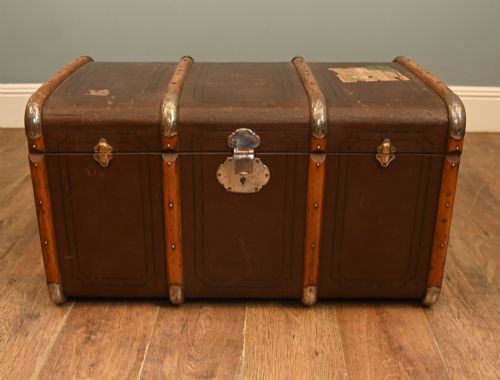
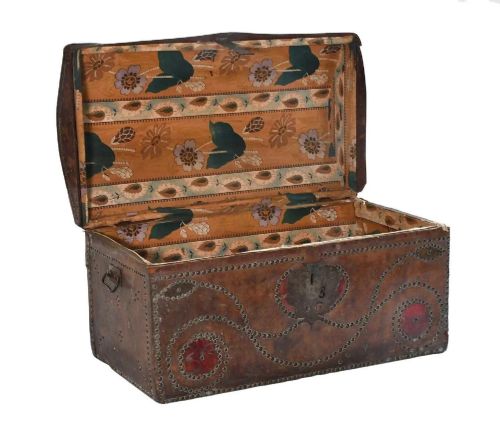
When you search for a domed leather trunk, you are looking at substantial luggage and storage chests designed to shed water and withstand travel. The pieces on this page span from the seventeenth century through to the Victorian era, offering varied proportions and silhouettes.
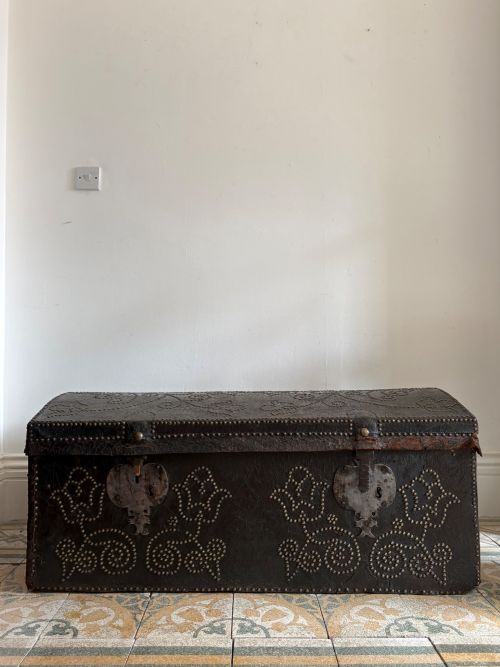
You are most likely to meet examples featuring dark hides, timber frames, and metal reinforcement. These range from large Dutch and Spanish coffers to compact Victorian travel cases.
The form exists to protect contents from the elements during transit, creating a focal point that functions as a coffee table or blanket chest in a modern home.
How They Were Made
Makers constructed these trunks around sturdy wooden frames using oak, timber, and canvas before cladding the exterior in leather or hide. The curved lid required precise shaping of the wood to create the characteristic dome.
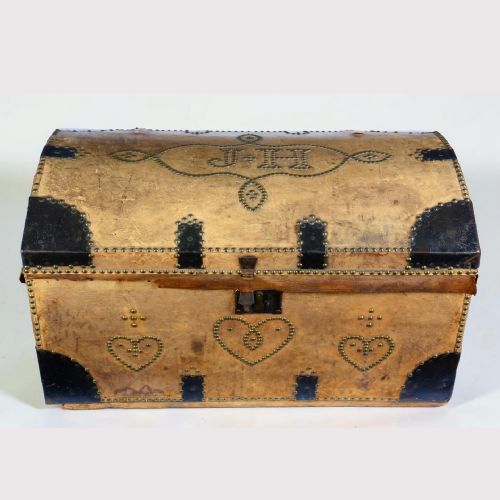
Workers secured the heavy hides using iron and brass studwork, often forming decorative patterns across the surface. Iron straps and metal carrying handles completed the construction to withstand heavy shipping use.
Domed Leather Trunk Retail Price Guide 2026
Typical asking prices for domed leather trunk among the pieces listed under this phrase on Sellingantiques today, from the lower quarter to the upper quarter. They describe what is for sale here now, not the wider market.
Several trunks bear the authentic initials of their original owners, hinting at forgotten journeys across the sea.
What Varies in Quality
The distinction between standard utility luggage and finer examples lies in the intricacy of the brass studwork and the selection of materials. Elaborate stud patterns and high-grade polished oak frames elevate certain pieces beyond basic transport boxes.
Original hardware, including working locks and substantial metal carrying handles, distinguishes better-preserved examples. The integrity of the underlying wood and the suppleness of the surviving hide determine the overall character of each trunk.
Arthur Wannop·Chapple & Sons
The Domed Leather Trunk Glossary
- Dome top
- A curved lid design that encourages water runoff and allows for greater interior capacity.
- Studwork
- Metal pins or nails driven into the leather in decorative or structural patterns.
- Hide
- Animal skin used in its natural or dressed state to cover the wooden carcass.
- Cofer
- An antique chest or trunk, often domed, used for storing valuables and travel.
- Campaign case
- Portable furniture designed for military officers on the move during the eighteenth and nineteenth centuries.
Domed Leather Trunk: Frequently Asked Questions
How were domed leather trunks used originally?
These trunks served as durable luggage for transport by coach, ship, and rail. Their curved lids allowed rainwater to run off easily during long journeys.
Inside, owners packed clothing, documents, and valuables securely for travel across continents.
How do I care for antique leather?
Keep the leather conditioned and avoid placing the trunk in direct sunlight or near heat sources. Gentle cleaning preserves the natural texture of the hide.
Allow the material to breathe and handle the brass studwork with dry cloths.
Can I use a domed trunk as a coffee table?
The flat base and sturdy construction make these trunks suitable for placement in living spaces. They offer concealed storage for blankets and books.
Ensure items placed on top do not scratch the aged leather surface.
How do I distinguish eighteenth-century examples?
Look for hand-hammered iron or brass studs and heavy timber construction beneath the hide. Seventeenth and eighteenth-century pieces often display simpler, heavier joinery.
Materials like polished oak and distinct regional styles indicate the era of manufacture.