





Dome Top Cabinet
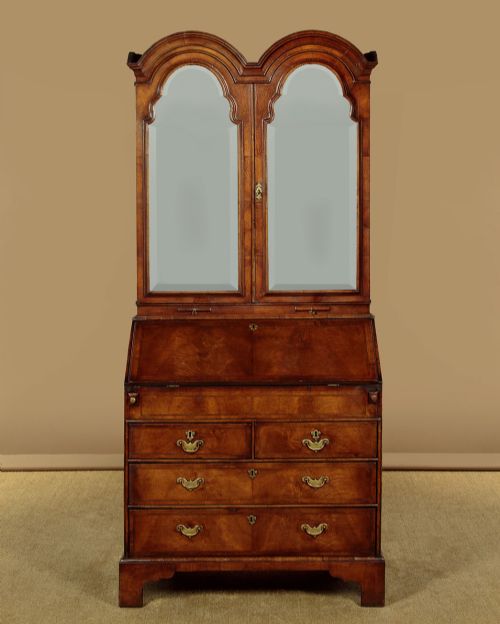
A dome top cabinet brings architectural presence to a room, offering generous enclosed storage shaped by a distinctive curved crest.
Dome Top Cabinet
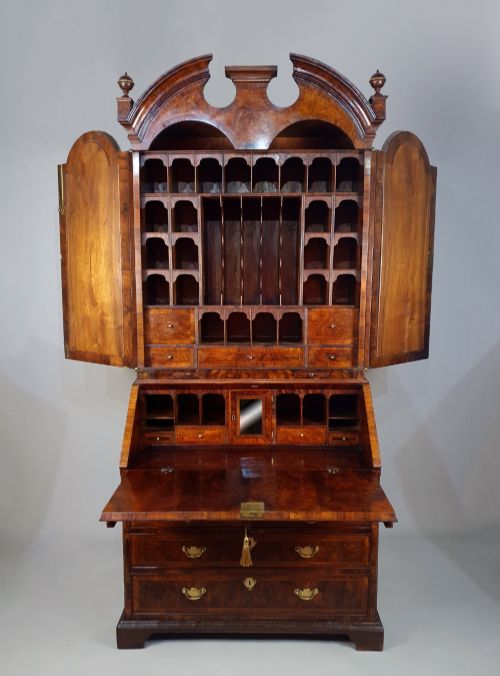
A dome top cabinet presents a curved upper profile, appearing across forms such as bureau bookcases, wardrobes, and display cabinets. Buyers seeking this phrase encounter pieces spanning from the early eighteenth century through to later revival periods.
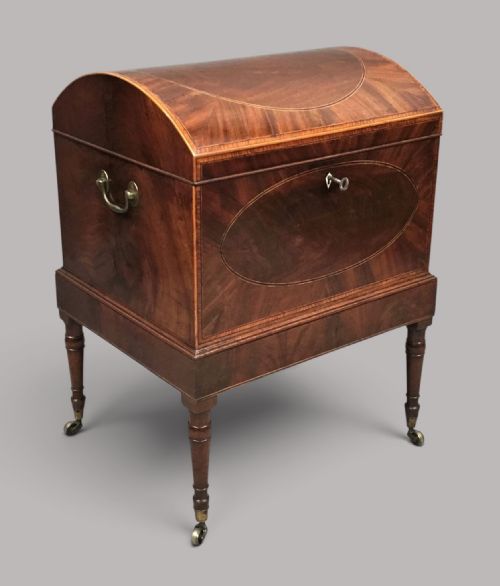
The selection ranges from walnut bureau cabinets originating in the seventeen-hundreds to later mahogany and burr walnut iterations. Corner cabinets and cellarettes also appear with this characteristic arched silhouette, bridging utility and formal design.
Materials and construction
Cabinet makers utilised dense timbers like walnut, mahogany, and oak, frequently applying burr walnut veneer to create richly figured surfaces on the primary facades. Solid pine served for internal carcases and structural framing beneath the decorative exteriors.
Brass hardware such as handles and escutcheons punctuate the timber surfaces, while glass panels feature in display variations to protect contents. Joinery techniques accommodated the complex curvature of the arched crests without compromising structural integrity.
Dome Top Cabinet Retail Price Guide 2026
Typical asking prices for dome top cabinet among the pieces listed under this phrase on Sellingantiques today, from the lower quarter to the upper quarter. They describe what is for sale here now, not the wider market.
Listings feature eighteenth-century walnut and Georgian pieces alongside later revival interpretations in mahogany, oak, and burr walnut.
Distinctions in quality
The sophistication of the timber figure and the precision of the veneer work largely determine the standing of an example. Finer pieces demonstrate careful matching of burr walnut across large expanses and doors.
Proportion and the handling of the arched top dictate visual success, where subtle shifts in the curve profile alter the architectural balance. The integration of fitted interiors and original brass fittings further separates standard items from exceptional ones.
The Dome Top Cabinet Glossary
- Burr walnut
- Timber harvested from walnut tree growths that produces intricate, swirling grain patterns. Cabinet makers prized this material for decorative veneering on prominent surfaces.
- Cellarette
- A freestanding container designed to hold bottles of wine or spirits. These vessels often incorporate internal dividers and secure locks.
- Vitrine
- A glass-fronted display cabinet intended for showcasing porcelain or curiosities. The design prioritises visibility through glazed doors and sides.
- Escutcheon
- A protective plate surrounding a keyhole. This brass element prevents timber wear around the lock mechanism.
Dome Top Cabinet: Frequently Asked Questions
What is a dome top cabinet?
A dome top cabinet is a piece of case furniture defined by an arched or curved upper crown. This architectural roofline appears on various forms including bookcases, wardrobes, and corner units.
The curved profile draws the eye upward, giving the furniture a commanding presence within a room. Makers adopted this shape to soften the strict geometry of tall storage pieces.
How were bureau cabinets used?
Bureau cabinets served as private spaces for correspondence and administrative tasks in wealthy homes. The drop-front flap provided a writing surface above drawers or cupboards.
The upper section held books or valuable papers behind locking doors. This combination of desk and bookcase maximised utility within a single item of furniture.
Where should I place a corner cabinet?
Corner cabinets fit directly into room angles, making efficient use of otherwise neglected space. They suit dining rooms or living areas for displaying glassware or porcelain.
Positioning the unit away from direct sunlight protects vulnerable timber veneers and polished finishes from fading. Adequate clearance allows doors to swing open fully without obstruction.
How do I care for walnut veneer?
Walnut veneer requires stable indoor humidity levels to prevent timber movement and lifting. Regular dusting with a soft, dry cloth preserves the polished surface.
Harsh chemical cleaners strip historical finishes and dry out the underlying wood. Application of appropriate wax maintains the lustre without sealing moisture into the grain.