


Dixon and Sons Silver
Dixon and sons silver brings together practical metalwork and dining vessels spanning the Victorian, Edwardian, and Art Deco periods.
Dixon and Sons Silver
When searching for dixon and sons silver, buyers encounter functional items produced by the notable Sheffield firm, ranging from tableware to drinking accessories. The selection spans the nineteenth century through the mid-twentieth century, capturing shifting domestic habits.
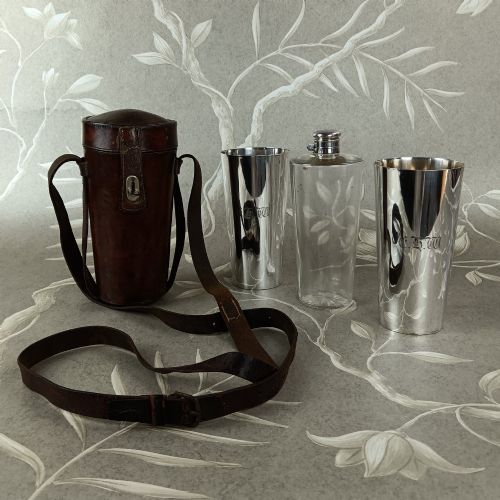
Drinking vessels and barware appear frequently, including cocktail shakers, wine coolers, and hip flasks. These pieces often combine metal with glass, leather, or cork.
Tableware forms represent a significant portion of the items, featuring entree dishes, sauce boats, cruets, and centrepieces. Solid sterling silver and silver plate both serve as primary mediums for these domestic objects.
How They Were Made
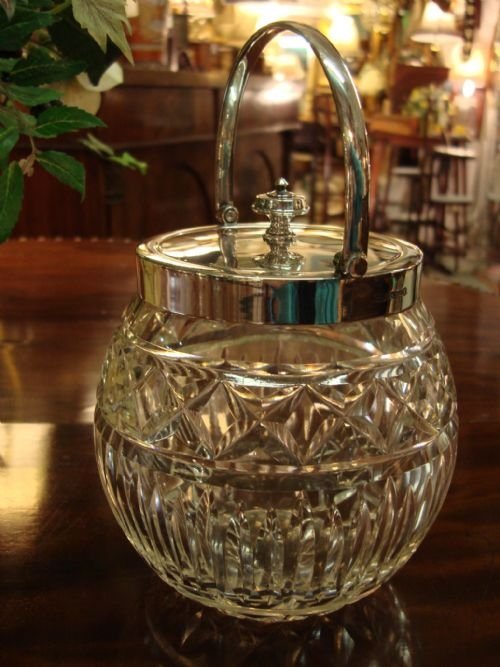
The firm utilised both sterling silver and silver plate, applying traditional Sheffield plating techniques alongside solid metal construction. Pierced-work ornamentation appears on baskets and centrepieces, requiring precise hand-piercing methods.
Accessory materials like cut glass, carved ivory, leather, and cork integrate with the metal frameworks. Engine-turning adorns specific Art Deco items, while hand-beaten surfaces characterise Arts and Crafts bowls.
Several hip flasks include captive tops so nobody loses the cap while taking a dram on a damp moor.
What Varies in Quality
Differentiation in these pieces rests on the complexity of the design, such as intricate pierced-work versus plain surfaces. The presence of original fitted cases, matched sets, and clear hallmarks elevates the standing of an item.
The integration of secondary materials, including heavy cut glass inserts and carved ivory handles, influences the execution of the piece. Crispness in engraved details and maker marks indicates superior workshop output.
James Dixon and Sons
The Dixon and Sons Silver Glossary
- Silver Plate
- A layer of silver fused to a base metal core, commonly used in nineteenth and twentieth-century tableware production.
- Sterling Silver
- An alloy consisting of 92.5 percent silver by weight, marked with official assay office stamps to denote standard purity.
- Pierced-Work
- A decorative technique where metal is pierced or cut through to create openwork patterns, seen on baskets and centrepieces.
- Engine-Turned
- A geometric surface pattern engraved mechanically onto metal objects, prevalent during the Art Deco period.
- Old Sheffield Plated
- An early method of fusing a sheet of silver to a copper ingot before rolling and forming.
Dixon and Sons Silver: Frequently Asked Questions
What items did James Dixon and Sons make?
The firm produced a wide array of domestic metalwork, focusing heavily on dining and entertaining accessories. Common forms include cocktail shakers, hip flasks, entree dishes, tea sets, and candlesticks.
Production also extended to specialised items like biscuit boxes, spirit sets, sauce boats, and cutlery canteens in both silver plate and solid silver.
How do I date these silver pieces?
Dating relies heavily on British hallmark stamps found on sterling silver items, which indicate the assay office and year letter for Sheffield or Birmingham. Stylistic cues also help determine age.
Victorian and Edwardian items display traditional ornamentation, whereas pieces from the nineteen-thirties reflect Art Deco geometry and streamlined forms.
Are these items made of solid silver?
The inventory includes both solid sterling silver and silver-plated items. Hallmarks distinguish solid pieces from plated wares.
Plated items utilise a base metal foundation beneath a silver coating, while solid pieces meet official purity standards for sterling silver.
How should I care for silver plate and sterling silver?
Maintaining these metals requires gentle cleaning using specialised silver polish to remove tarnish without damaging the surface. Avoid abrasive materials that scratch plated layers.
Items featuring leather, cork, or glass components need careful handling to protect the secondary materials during cleaning and storage.