
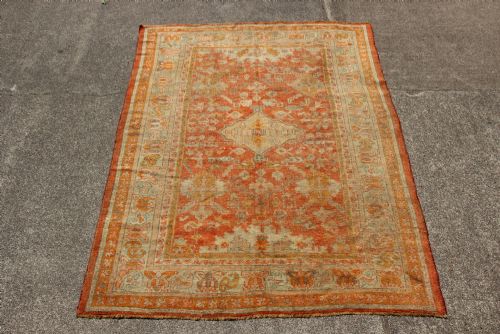
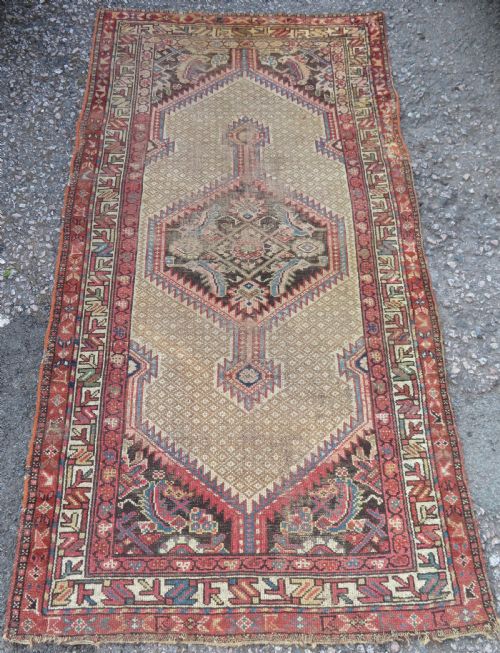
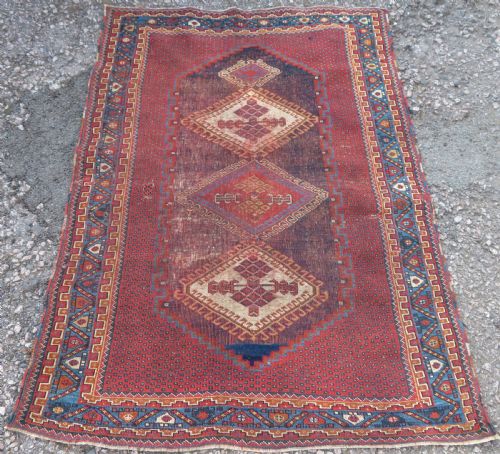
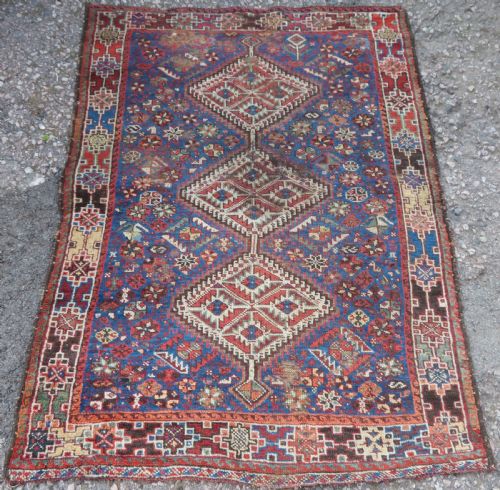
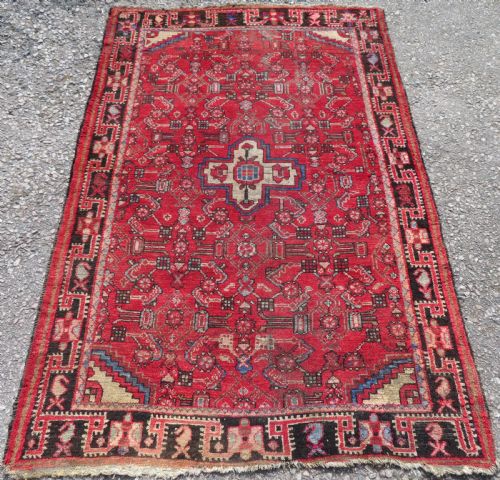
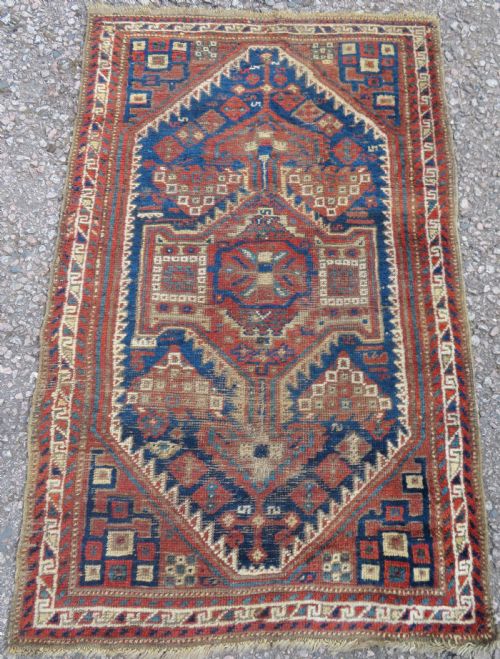
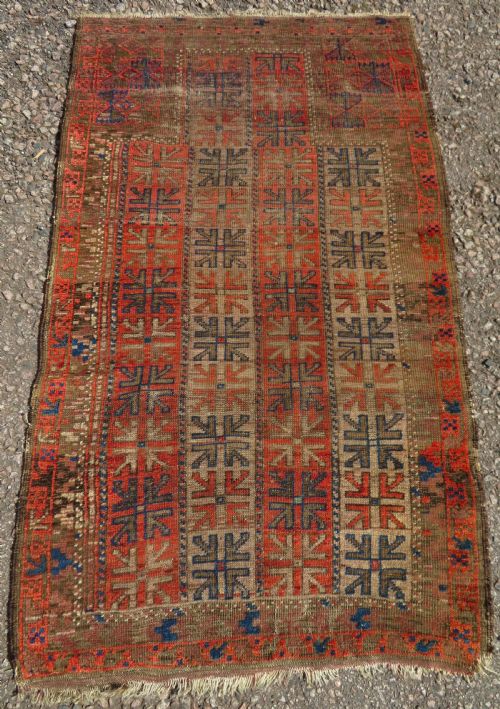
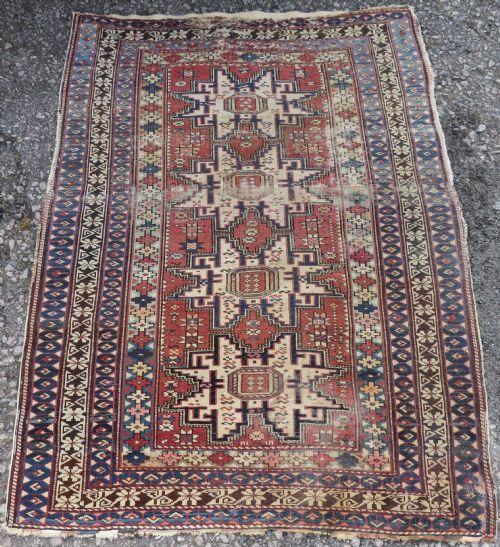


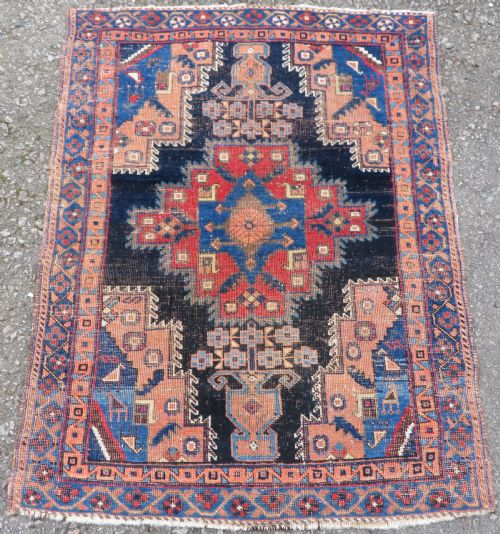

Distressed Wool Area Rug
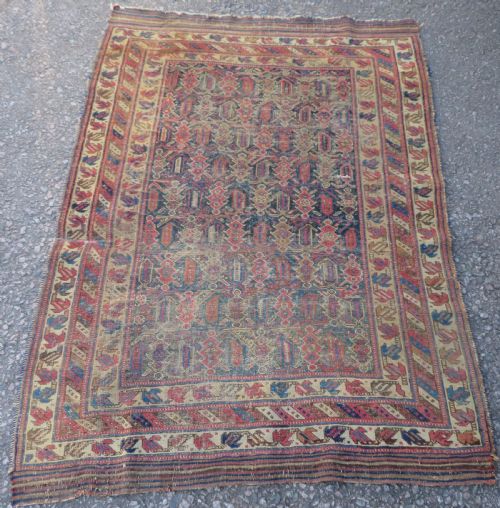
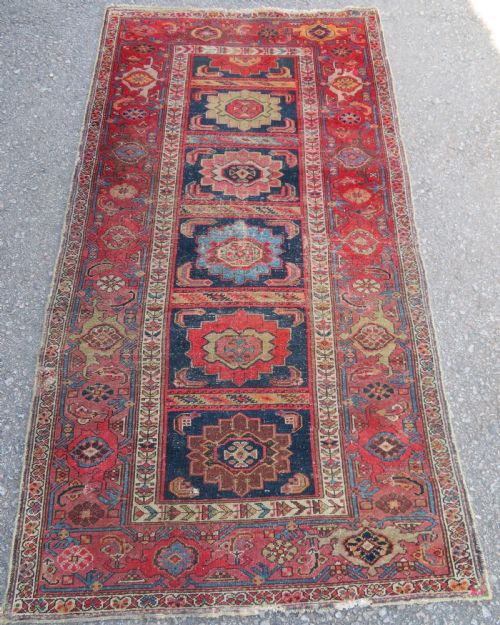
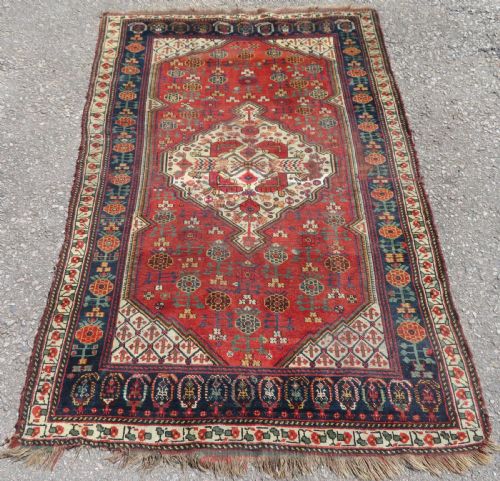
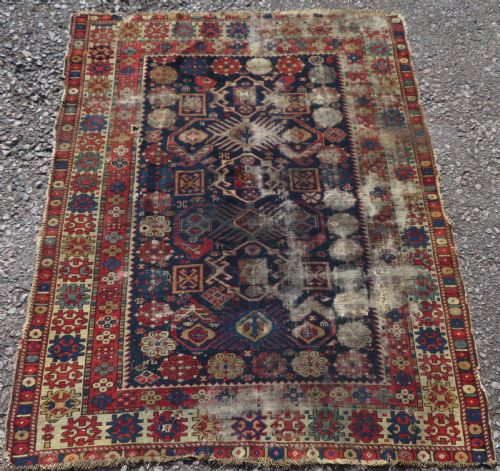
A distressed wool area rug brings decades or centuries of weathered warmth to a floor through worn pile and faded dye.
Distressed Wool Area Rug
A distressed wool area rug encompasses antique floor coverings originating from Persian, Caucasian, and Anatolian weaving traditions. These pieces show significant wear from age and use, spanning periods from the late nineteenth century into the early twentieth century.
How they were made
Weavers utilised hand-spun wool and occasionally camel hair, foundation threads of cotton, and natural dyes derived from plants and minerals. These materials provide the resilience that allowed the rugs to endure generations of foot traffic while maintaining structural integrity.
The construction relies on traditional handknotting techniques executed on vertical looms across various tribal workshops and village households. Natural colour variation occurs through the use of organic dyestuffs, which age unevenly under sunlight and wear.
The listings span multiple decades from 1880 to 1930, showcasing wool, cotton, camel hair, and natural dyes.
What varies in quality
The distinction in these rugs lies in knot density, the balance of the composition, and the harmony of the faded palette. Finer village and city carpets display precise geometric control or balanced floral medallions even as the pile recedes.
Structural soundness remains paramount despite surface wear, meaning the underlying foundation must retain strength. The character of the distressing should appear organic, where low pile reveals the knot structure rather than concealing structural damage.
The Distressed Wool Area Rug Glossary
- Pile
- The vertical tufts of wool that form the usable surface of the rug. In older pieces, this wool wears down to reveal the knot collars beneath.
- Warp
- The stationary lengthwise threads stretched on the loom that carry the weight of the rug. Cotton and wool serve as the primary materials for these foundation strands.
- Weft
- The horizontal threads passed between rows of knots to bind the structure together. These threads often show at the ends and sides as the outer binding frays.
- Natural Dyes
- Colourants sourced from roots, insects, and leaves before the invention of synthetic alternatives. These dyes mellow gradually with exposure to light and washing.
- Prayer Rug
- A small format featuring a specific mihrab or arch design indicating the direction of prayer. Weavers produced these for personal devotion across Anatolian and Persian regions.
Distressed Wool Area Rug: Frequently Asked Questions
How do I clean a worn wool rug?
Gentle surface vacuuming without a rotating beater bar removes loose dirt from fragile pile. Professional hand washing is necessary for deep maintenance to protect aged foundation fibres.
Harsh chemical detergents and excessive water damage historic wool and natural dyes. Specialist textile conservators can assess structural strength before any immersion cleaning takes place.
Can I place these rugs in high traffic areas?
Placing a distressed wool area rug in a busy hallway or living room is acceptable provided the foundation remains sound. A quality underlay adds cushioning and prevents slipping, reducing friction against the floor.
Foot traffic will continue the natural ageing process on already low pile. Rotating the rug periodically ensures even exposure and wear across the surface.
What causes the distressed appearance?
Decades of daily friction, sunlight exposure, and regular washing wear down the wool pile over time. This gradual reduction exposes the underlying knot structure and softens the original colour palette.
Some historical pieces also underwent intentional surface fading or shading to achieve a muted aesthetic. Natural age wear remains distinct from artificial distress through variations in remaining pile depth.
How do I identify a tribal rug origin?
Tribal and village rugs display characteristic geometric motifs, animal figures, and repeating medallions specific to their weaving groups. Afshar, Khamseh, and Caucasian designs use distinct colour combinations and border arrangements.
Analysing the knotting style, end finishes, and wool quality helps narrow down the regional workshop. Secondary guard stripes andabrash variations further indicate the specific nomadic or village source.