





Distressed Wood Overmantel Mirror
A distressed wood overmantel mirror anchors a chimney breast with layered patination and proportions built for historic drawing rooms.
Distressed Wood Overmantel Mirror
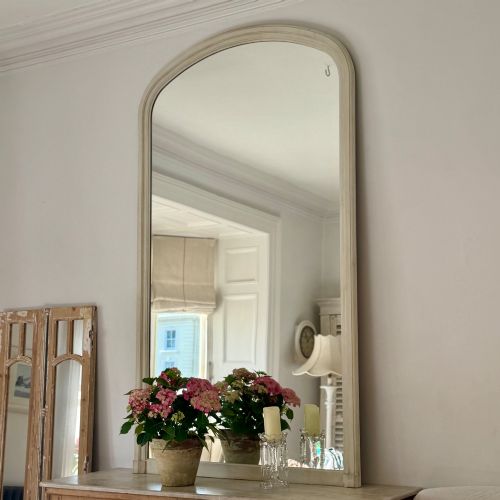
A distressed wood overmantel mirror is a large wall-hanging glass plate designed to sit above a fireplace, shaped by the decorative standards of the eighteenth, nineteenth, and early twentieth centuries. These pieces cross English and continental workshops, appearing with arched, shaped, or rectangular frames built for domestic hearths.
Most examples found in trade span the nineteenth century, finished in painted wood, gesso, or remnants of historic gilding beneath worn surfaces. The form serves as both architectural framing and reflective light source within period interiors.
How they were made
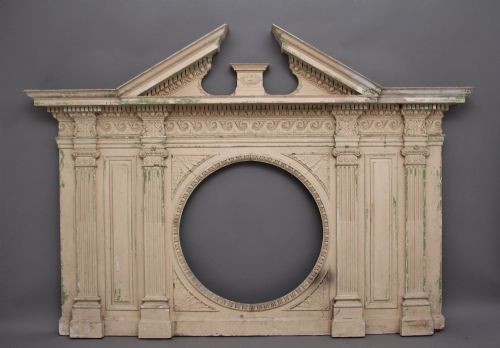
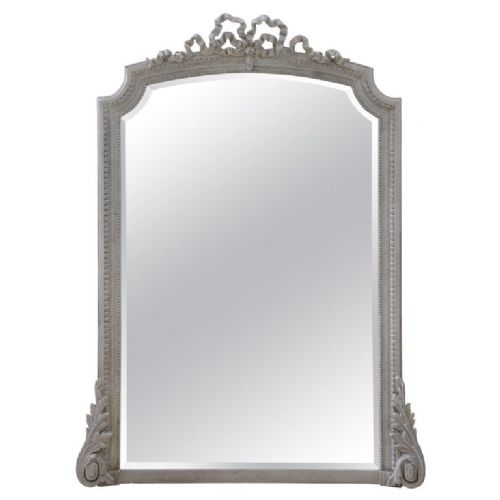
Makers shaped these frames from timber such as pine and walnut, applying layers of gesso to build up carved mouldings, scrolls, and architectural details like columns. Surface decoration relied on applied paint, gold leaf, and over-painting that weathered over decades of use.
Mirrors utilised mercury glass or early silvered plate secured within the wooden rebate. The physical weight of these large plates required substantial joinery and corner bracing to support the heavy frames.
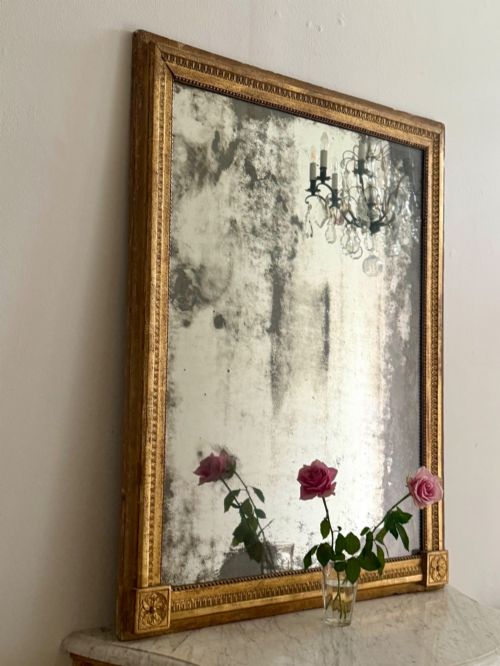
Some frames retain traces of green or red under-paint beneath layers of white, revealing past decorative revivals in Victorian drawing rooms.
What varies in quality
The depth and precision of the carved wood and gesso ornament separate standard joinery from superior atelier production. Crisp relief work on scrolling crests and columns indicates skilled handcrafting rather than mass production.
The integrity of the original mirror plate and the character of the surface wear define the desirability of a piece. Authentic patinated paint layers and undisturbed mirror plates hold more integrity than later decorative scraping.
The Distressed Wood Overmantel Mirror Glossary
- Overmantel
- A large mirror or panel designed specifically to hang on the wall directly above a fireplace mantelpiece. Their horizontal or arched proportions match the width of standard chimney breasts.
- Gesso
- A plaster-like mixture applied to wooden mirror frames to provide a smooth base for carving, gilding, or painting. Skilled artisans built up thick layers to execute intricate relief decoration.
- Mercury glass
- An early type of mirror glass manufactured by pouring a liquid amalgam of tin and mercury behind the glass plate. It produces a distinctive dark, mottled reflection known as foxing.
- Trumeau
- A decorative wall mirror combined with a painted or carved wooden panel above the glass. These originate primarily from French neoclassical interiors.
- Foxing
- The natural dark spots and speckles that develop within historic mirror plates as the backing degrades over time. Collectors value authentic foxing for the atmospheric depth it brings to the reflection.
Distressed Wood Overmantel Mirror: Frequently Asked Questions
Where should an overmantel mirror hang?
These mirrors traditionally anchor the space directly above a fireplace mantel, reflecting room light and balancing the architectural weight of the hearth.
They also function effectively on large blank walls in reception rooms when hung securely into structural studs.
How do I identify a nineteenth century frame?
Nineteenth century frames typically feature heavy timber construction beneath layers of gesso and hand-applied paint. Look for traditional joinery methods and historic fixings at the rear.
Stylistic cues draw heavily from French Louis Philippe, Rococo revival, and Victorian architectural motifs.
What causes the dark spots in old glass?
Dark spots and clouding occur when moisture or air breaches the protective backing behind the glass plate over many decades of atmospheric exposure.
This ageing process creates the characteristic foxed appearance prized by collectors of antique mirrors.
Are these mirrors heavy to hang?
Large wooden frames combined with thick glass plates result in substantial weight that requires professional wall anchoring. Hardware must engage directly with wall studs or masonry to support the load safely.
Heavy iron brackets fixed to the frame back are standard on pieces from this era.