




Distressed Wood End Table
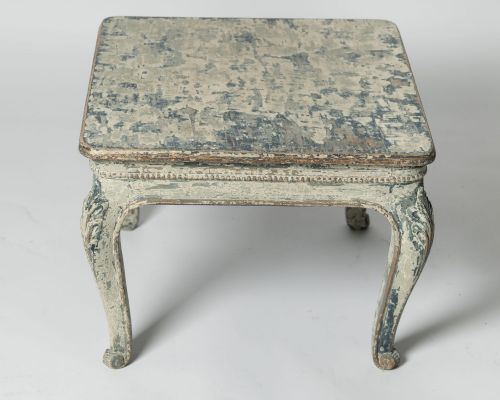
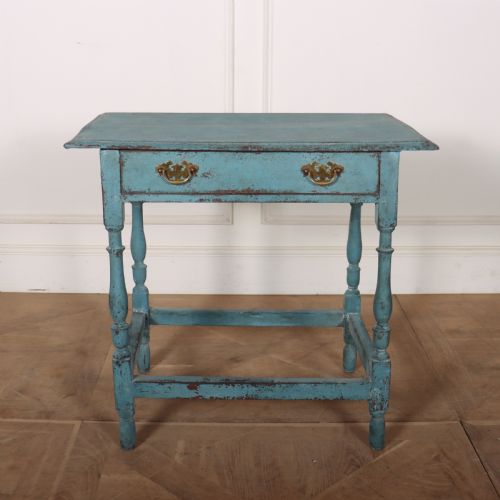
These distressed wood end table pieces are practical low tables and seats finished with weathered painted surfaces, offering rustic character to a room.
Distressed Wood End Table
When you search for a distressed wood end table, you encounter compact occasional tables and seating pieces spanning the eighteenth, nineteenth and early twentieth centuries. The selection on this page centres on lamp tables, occasional tables and side tables alongside stools, benches and window seats, originating from English, French, Scandinavian and Spanish traditions.
The dominant forms are small lamp and occasional tables designed for placement beside seating, alongside occasional painted stools and benches. These pieces showcase country styles including English Country, Georgian Country, French Provincial, French Chateau and Scandinavian Country, alongside formal expressions like Louis XV Style and French Régence.
How they were made
Construction relies upon solid timber, particularly pine and traditional hardwoods, shaped into functional side furniture and seating. Surfaces feature layers of paint applied to timber, which ages to create the characteristic distressed finish seen across the periods.
Carving and joinery techniques vary by regional style, ranging from simple country construction to elaborate carved details found in French Régence and Louis XV inspired pieces. Additional textural elements such as cane and linen appear alongside metal components where structural or decorative accents require them.
Several pieces double as window seats or magazine tables, proving past owners enjoyed reading by natural light just as much as we do.
What varies in quality
Quality rests upon the integrity of the timber construction and the authenticity of the painted surface evolution over time. Pieces retaining their original paint layers demonstrate a more genuine historical character than those with later decorative interventions.
The refinement of the joinery and carving separates standard country workshop output from sophisticated regional pieces. Proportion, balance and the harmony of the aged surface dictate the overall standing of an individual table or seat.
The Distressed Wood End Table Glossary
- Lamp table
- A small low table intended for holding a reading lamp or decorative object beside a chair. These pieces provide surface space without dominating a room.
- Occasional table
- A versatile small table used intermittently around a domestic interior for various support functions. They appear in diverse regional styles and proportions.
- Painted timber
- Wood surfaces coated in pigment that develops natural weathering and wear through decades of use. This finish creates the aged aesthetic characteristic of country furniture.
- French Régence style
- An early eighteenth-century design movement marked by a transition from heavy baroque forms to lighter, curved lines and restrained carving. It combines structural elegance with decorative verve.
- Scandinavian country
- A regional aesthetic focused on functional simplicity, pale painted finishes and practical construction. It reflects northern European domestic traditions.
Distressed Wood End Table: Frequently Asked Questions
Where do these small tables work best?
These pieces fit naturally beside armchairs or sofas as convenient surfaces for lamps, books and daily items. Their compact footprints allow them to occupy awkward corners or small spaces without crowding a room.
They also function effectively as bedside tables or plant stands within rustic or eclectic interiors. The weathered painted finishes introduce texture and contrast against neutral walls.
How do I distinguish eighteenth-century pieces?
Eighteenth-century examples display traditional hand-cut joinery methods and timber shrinkage patterns developed over long periods. The construction details on the underside and interior surfaces reveal manual tool marks characteristic of earlier workshop practices.
Surface wear on older pieces exhibits natural thinning of the paint layers around frequent touch points. Comparing the structural proportions against known period examples helps confirm the era of origin.
Are painted pine tables durable?
Pine offers a stable softwood base that holds paint finishes effectively while remaining light enough to move easily around the home. Regular domestic use suits these sturdy tables provided excessive moisture is avoided.
Maintenance involves simple dusting and occasional gentle cleaning to preserve the historic surface patination. The natural ageing of the paint adds character rather than diminishing structural utility.
What defines French provincial styles?
French provincial furniture adapts court designs for regional rural workshops, resulting in softer lines and modest proportions. Carved details remain restrained compared to Parisian equivalents, focusing on subtle curves and organic motifs.
These pieces utilise local timbers finished with layered paint that often shows gentle distressing. They bring an informal elegance to domestic spaces.