





Distressed White Painted Mirror
A distressed white painted mirror brings faded European elegance and light into a room, combining aged wooden frames with timeworn painted surfaces.
Distressed White Painted Mirror
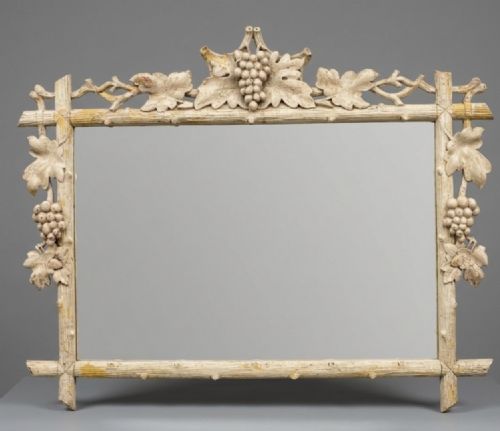
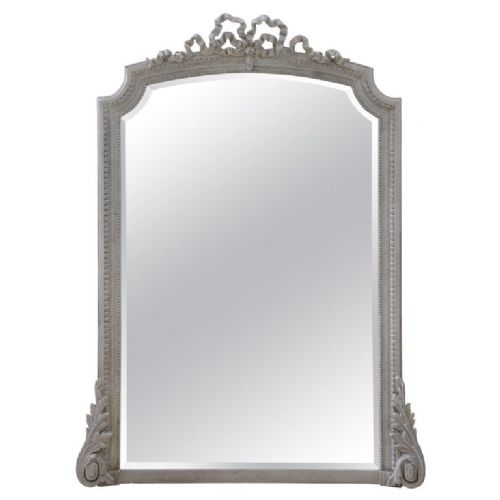
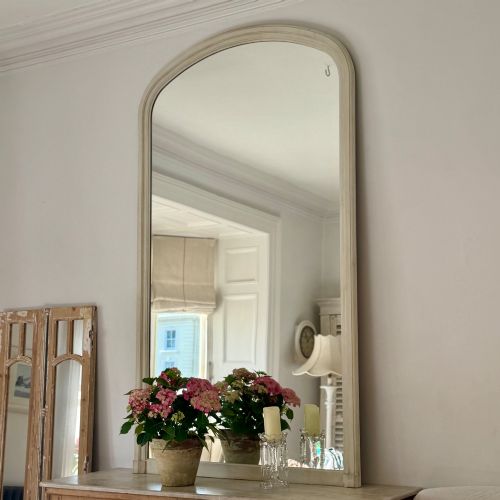
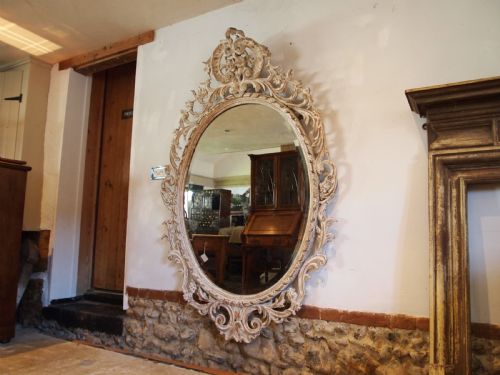
When searching for a distressed white painted mirror, buyers encounter substantial wall and overmantel pieces originating predominantly from the nineteenth century. These items manifest in distinct regional styles, ranging from ornate French chateau and provincial models to English overmantel variants.
The inventory includes shaped top frames, arched profiles, and rectangular formats designed to anchor a room or sit above a fireplace. Many examples display layers of historical paint over carved wooden structures, reflecting the aesthetic preferences of nineteenth-century domestic interiors.
Materials and construction methods
Craftsmen built these frames using carved wood, applying layers of gesso to create smooth surfaces for detail work before adding paint and occasional gold leaf accents. This traditional gesso application allowed for intricate relief ornamentation around the glass perimeter.
Mirrors utilise original or period replacement glass plates fitted into wooden structures shaped as arches, curves, or straight borders. The distressing occurs naturally through age or through historical overpainting techniques on gilt and dark wood.
Several mirrors carry layers of historical paint so thick they have swallowed the finer details of the gesso carvings whole.
Factors determining quality
The standard of carving and the crispness of the gesso mouldings dictate the artistic merit of the frame. Superior examples retain their original structural integrity and authentic surface patination without excessive modern intervention.
The clarity and originality of the mirror plate itself contribute significantly to the piece's character. Heavy timber construction and deep relief work separate substantial architectural items from lighter decorative wall pieces.
The Distressed White Painted Mirror Glossary
- Gesso
- A plaster-like mixture applied to wood frames to create a smooth surface for painting or gilding. It enables intricate relief details to be carved or moulded.
- Overmantel mirror
- A large mirror specifically proportioned to hang on the wall directly above a fireplace mantelpiece. These often feature wide horizontal formats.
- Trumeau mirror
- A decorative mirror integrated into wall panelling or designed with an upper panel containing a painted scene or carving. They originated in eighteenth-century French interior design.
- Louis Philippe
- A mid-nineteenth-century French style characterised by understated elegance, often featuring softly rounded upper corners on rectangular frames.
- Marginal mirror
- A mirror style where a central glass plate is surrounded by smaller, bevelled individual strips of mirror glass held within the frame.
Distressed White Painted Mirror: Frequently Asked Questions
How do I hang a heavy overmantel mirror safely?
These large nineteenth-century frames require secure wall fixings anchored directly into masonry studs or substantial wooden battens. Professional installation is recommended due to the combined weight of the thick timber and glass.
Ensure the hanging wire or integrated metal brackets are rated to support the specific load of the piece. Position the mirror at a height that reflects natural light effectively across the room.
Are the mirror plates original?
Many surviving pieces retain their original mercury or silvered glass plates, which frequently exhibit foxing and soft oxidation spots. These natural age marks confirm the antiquity of the object.
Some items feature period or later replacement glass if the original became damaged over time. Inspecting the silver backing and edge bevels helps determine the age of the plate.
How do I care for the distressed painted finish?
Dust the carved wooden frame gently with a dry, soft-bristled brush to prevent accumulation in the gesso crevices. Avoid chemical cleaners or excessive moisture that might compromise the aged paint layers.
Glass surfaces can be cleaned using a mild glass cleaner applied to a cloth rather than sprayed directly onto the frame. This protects the porous white paint from staining or lifting.
What rooms suit a large French provincial mirror?
Large painted mirrors function effectively in hallways, drawing rooms, and bedrooms to amplify spatial dimensions and reflect ambient light. Their neutral white palettes complement both traditional and contemporary interior schemes.
Placing an arched or shaped top frame opposite a window maximises the daylight captured within the space. They serve as architectural focal points without overwhelming surrounding decor.