
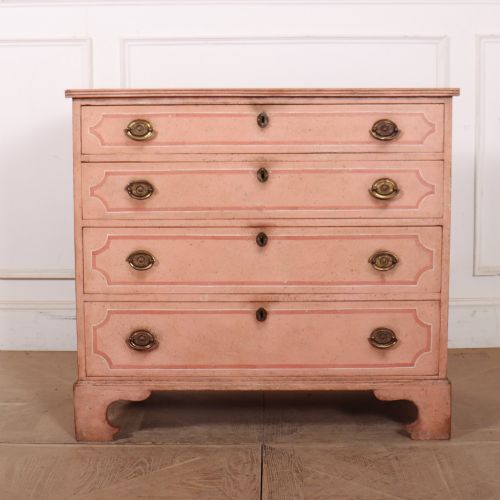
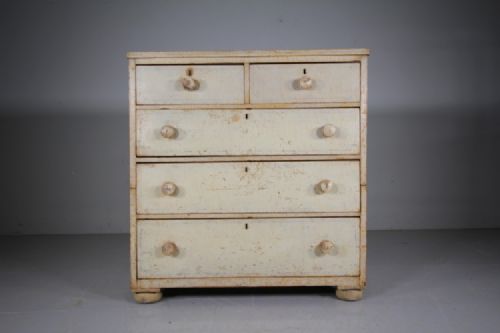
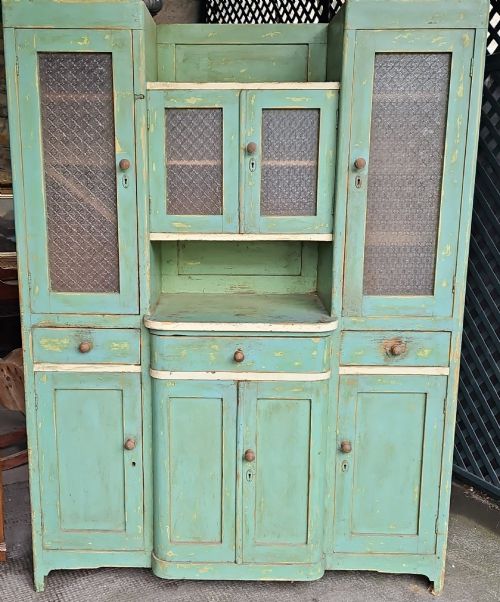


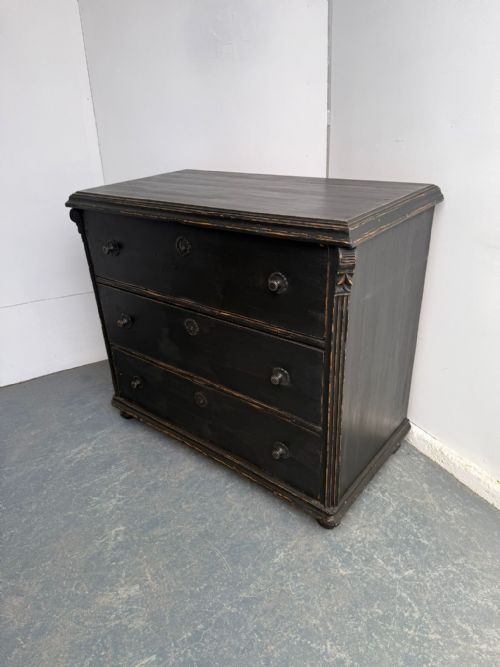
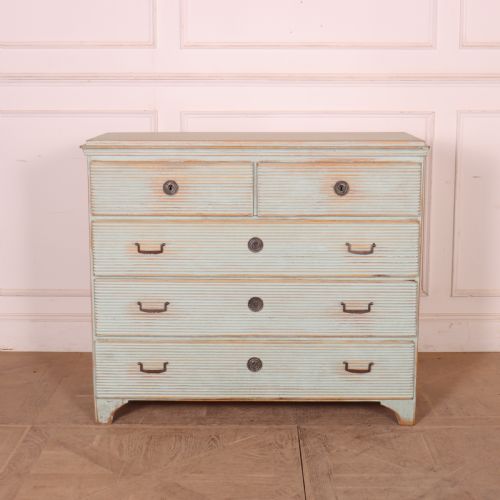
Distressed Pine Dresser
A distressed pine dresser brings honest utility and time-worn character to a room, offering generous storage paired with the weathered appeal of aged, painted surfaces.
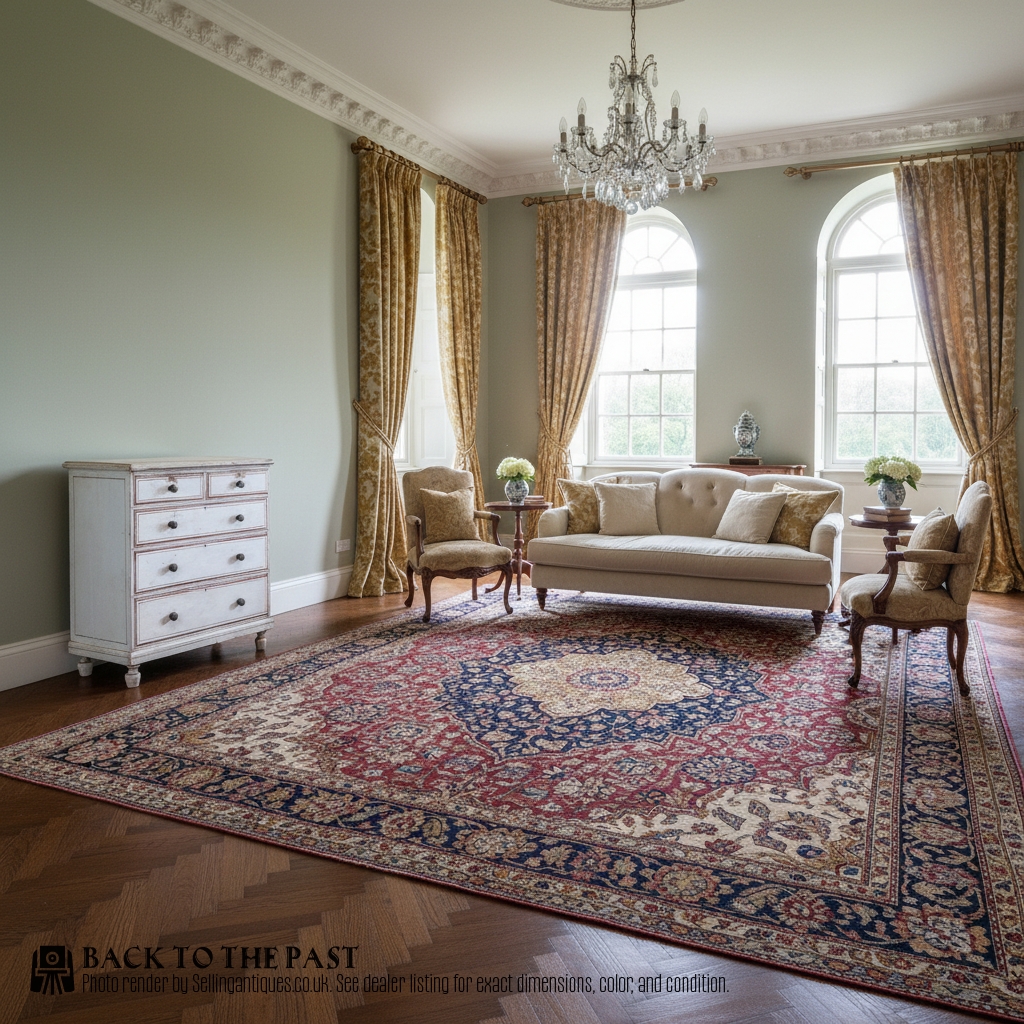
Distressed Pine Dresser
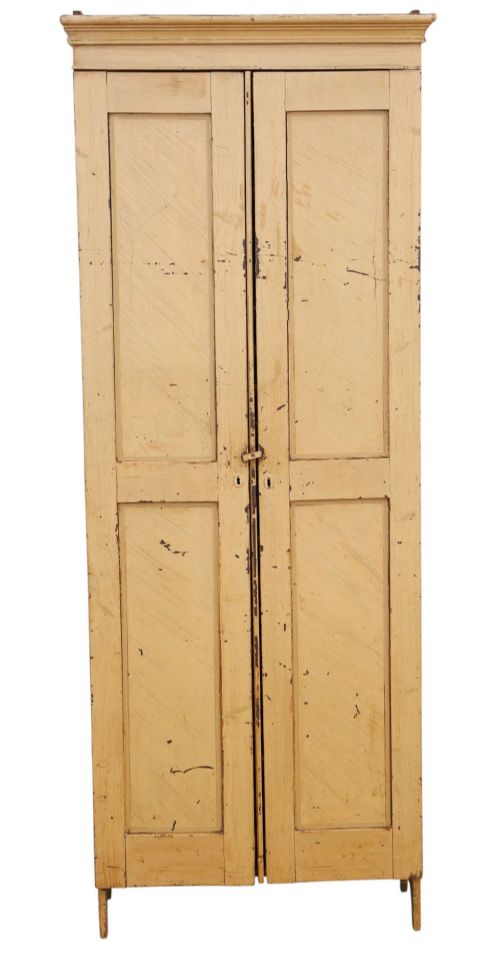
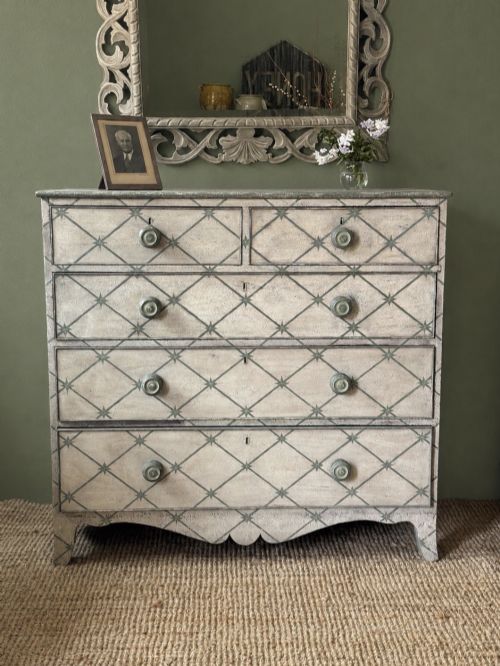
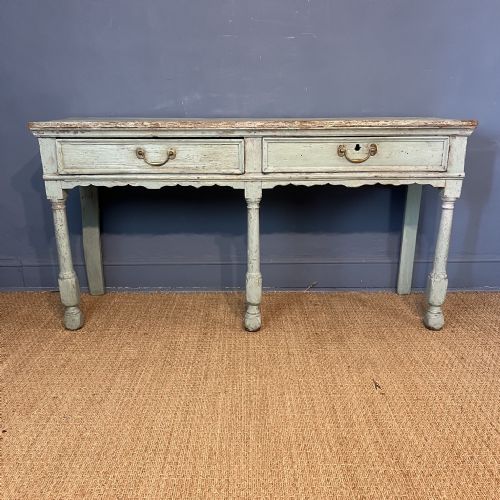
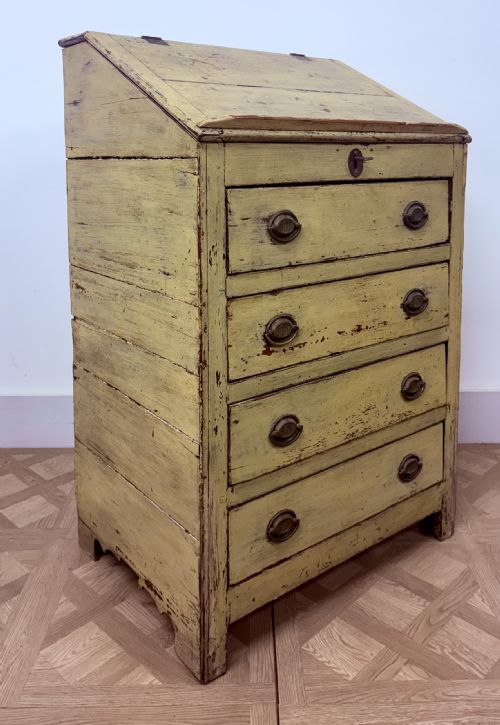
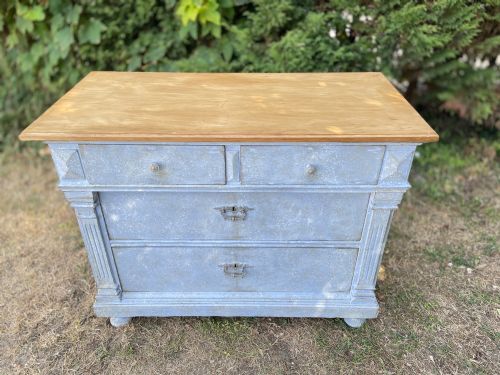
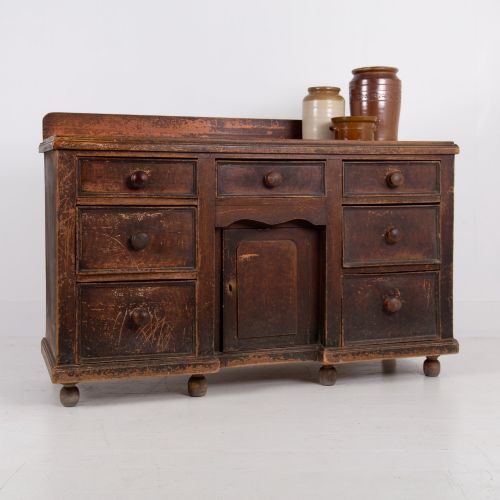
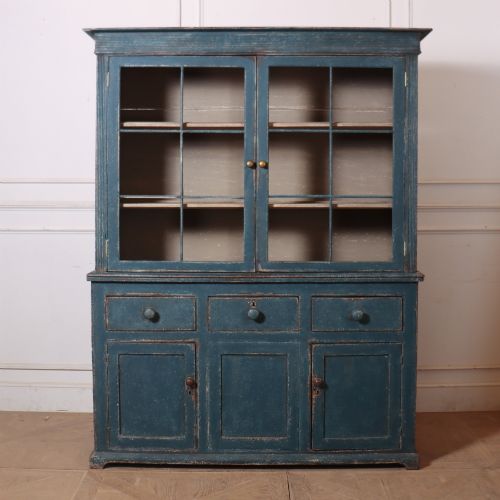
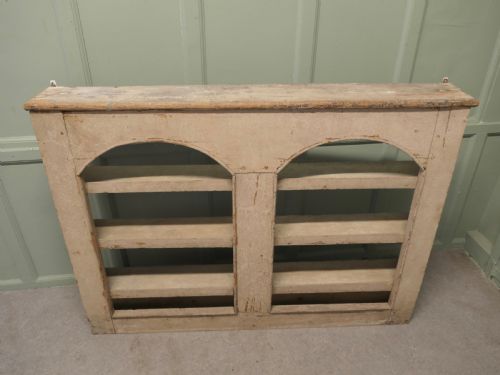
A distressed pine dresser encompasses a variety of practical storage furniture, most frequently seen as kitchen dressers, dresser bases, and chests of drawers spanning the eighteenth and nineteenth centuries. These pieces originate from distinct regional traditions, ranging from English and West Country country houses to Scandinavian, French Gustavian, and Hungarian workshops.
The selection ranges from tall narrow housekeeper's cupboards and breakfront kitchen dressers to compact commodes and potboard bases. Buyers will frequently encounter Victorian and Georgian examples alongside earlier regional country pieces, all united by their functional utility and timber construction.
Materials and construction
Surfaces are frequently treated with layers of paint, including original cream, teal, light grey, black, and multi-toned finishes that have acquired natural distress over centuries of use. Joinery techniques reflect traditional cabinet-making methods appropriate to provincial and country workshop production.
Several cupboards retain layers of paint so stubborn they have outlived several generations of kitchen redesigns.
Markers of distinction
Quality in a distressed pine dresser is defined by the integrity of its surface finish and the preservation of its original paint layers. Examples retaining authentic, undisturbed historic paintwork stand apart from later decorative surfaces applied to plain timber.
Structural proportions and regional joinery details further distinguish finer examples. Pieces with untransformed two-part construction, balanced drawer configurations, and original hardware exhibit the superior design standards of their period.
The Distressed Pine Dresser Glossary
- Dresser base
- The lower section of a kitchen dresser, often functioning independently as a sideboard or serving table with cupboards and drawers.
- Potboard
- An open slatted lower shelf beneath a dresser base, traditionally utilised for storing heavy pots and culinary earthenware.
- Commode
- A low chest of drawers or cabinet, frequently associated with continental European styles such as French Gustavian or Swedish furniture.
- Housekeeper's cupboard
- A large, tall storage cabinet designed for domestic linens and provisions, typically featuring multiple doors and internal shelving.
- Breakfront
- A piece of furniture where the central section projects forward from the flanking outer sections, adding architectural depth to large cabinets.
Distressed Pine Dresser: Frequently Asked Questions
What is a distressed pine dresser?
A distressed pine dresser is a functional storage unit made from solid pine, featuring an aged, weathered surface often enhanced by historic layers of paint.
These pieces typically include kitchen dressers, dresser bases, and cupboards originating from English, Scandinavian, and European country traditions.
How do I date an antique pine dresser?
Dating relies on examining construction methods, timber characteristics, and regional joinery styles typical of eighteenth and nineteenth-century workshops.
Original paint surfaces, hardware types, and overall structural wear also provide reliable indicators of age and period origin.
Are these dressers made in two parts?
Many larger kitchen dressers and cupboards were constructed in two separate sections to facilitate transportation and placement within a home.
The upper shelving unit typically rests securely upon the lower dresser base or sideboard component.
How should I care for original painted pine?
Preserving historic paint requires avoiding harsh chemical cleaners and maintaining stable indoor humidity away from direct heat sources.
Gentle dusting with a soft, dry cloth is usually sufficient to maintain the aged patina of the surface.