
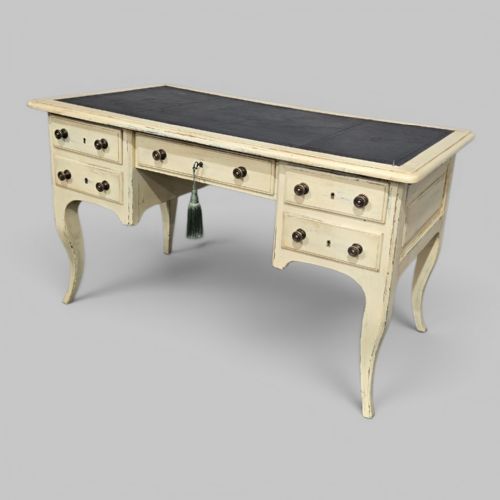
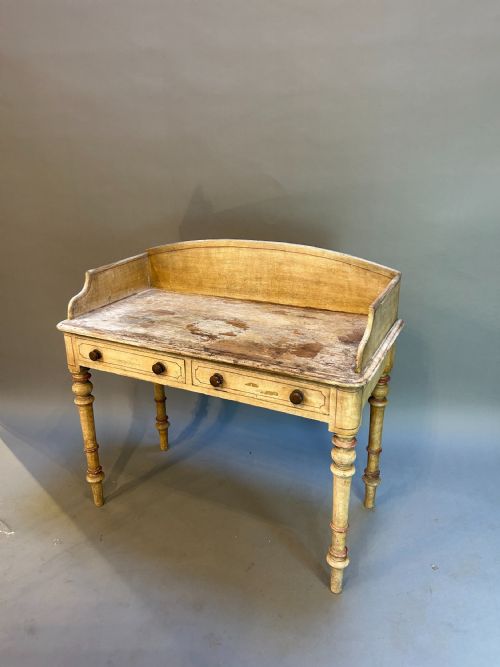
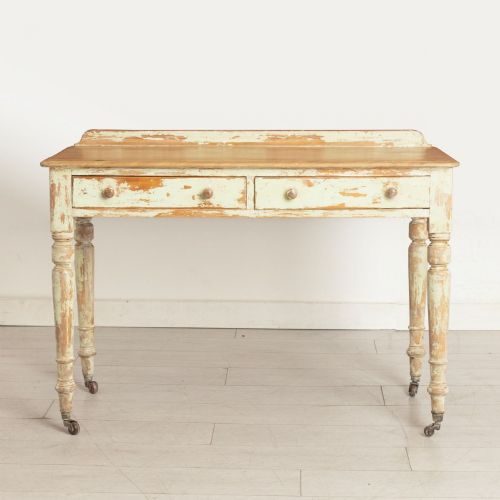
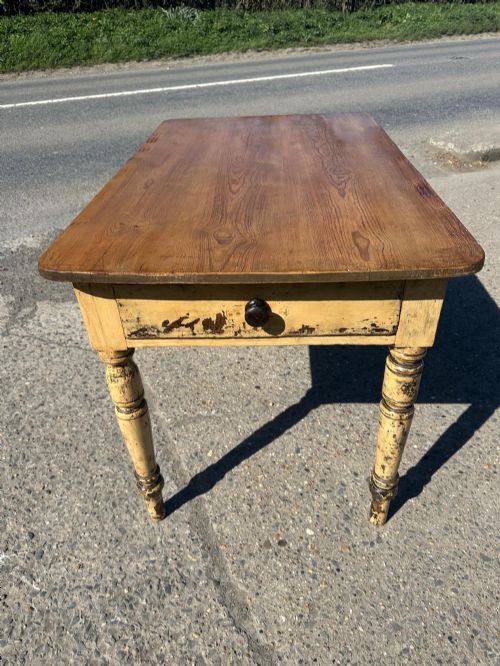
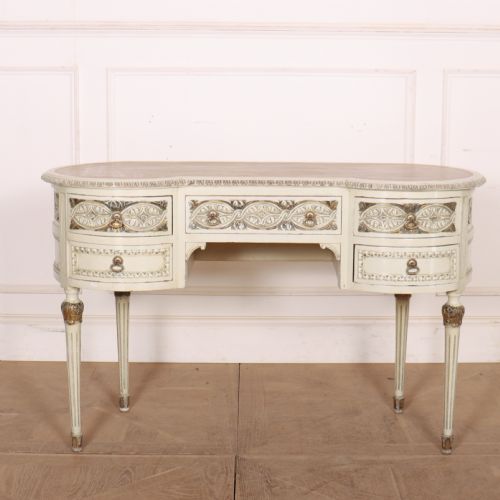


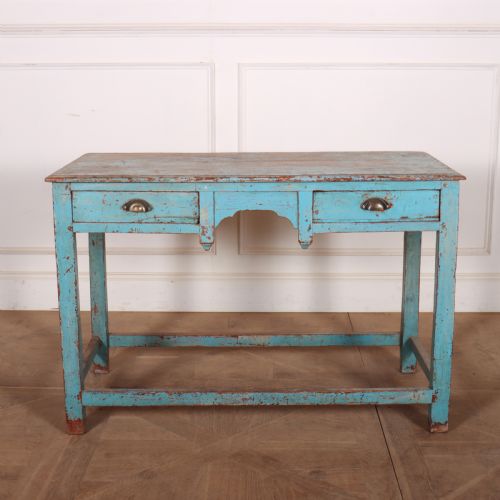

Distressed Painted Writing Desk
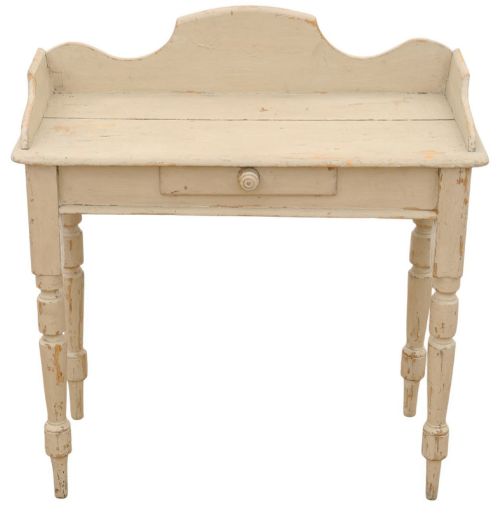
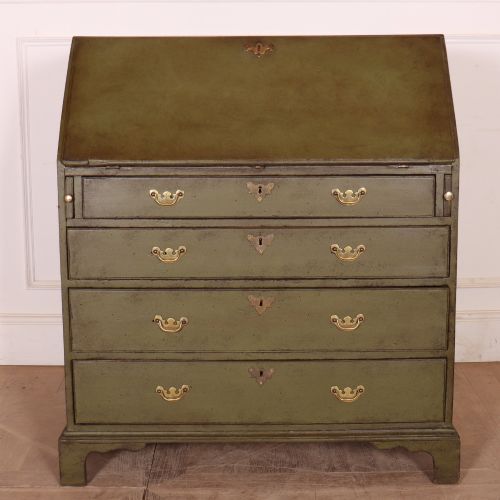
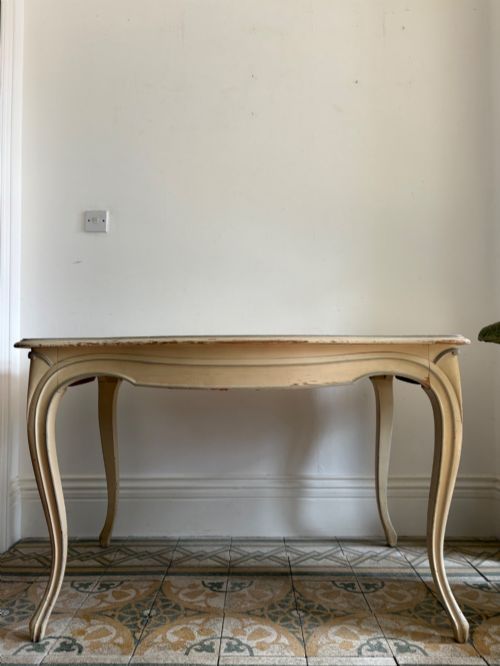
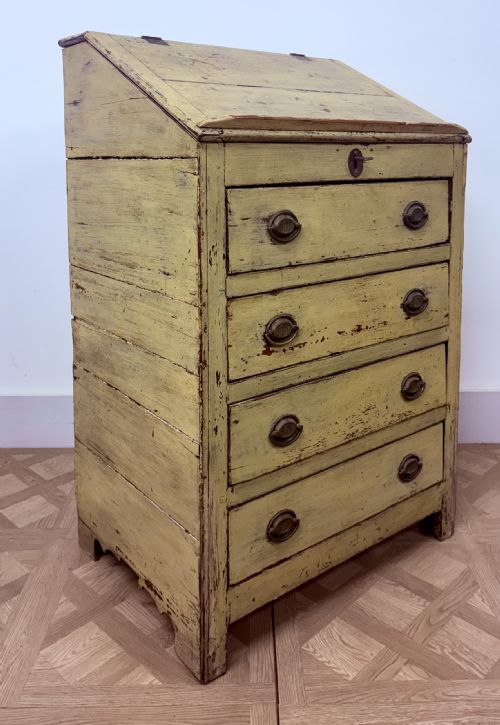
A distressed painted writing desk brings rustic character and surface texture to a study, with pine and timber forms spanning the eighteenth and nineteenth centuries.
Distressed Painted Writing Desk
A distressed painted writing desk offers a practical writing surface combined with the weathered charm of aged paint. When exploring a distressed painted writing desk, buyers encounter forms ranging from simple side tables and writing tables to fitted bureaus.
The pieces on this page lean heavily into nineteenth century and eighteenth century origins. English, French, and Swedish workshops produced these tables and desks, often employing pine, birch, and walnut.
Styles vary from rural farmhouse and English country to French provincial and Gustavian country. Buyers most frequently meet nineteenth century pine pieces alongside earlier Georgian bureaus with original painted finishes.
Materials and construction
Timber such as pine, birch, and walnut formed the foundational carcase of these tables and desks. Cabinet makers constructed drawers and frames using traditional joints, while some surfaces incorporated inset suede tops and brass hardware.
Makers applied layers of paint over the wood, which has aged through decades of use to create the characteristic distressed surface. Gilt wood details occasionally appear on more decorative continental examples, contrasting with plain timber legs.
Swedish writing tables occasionally hide stubborn ink spots inside their drawers, left behind by diligent nineteenth century scribes.
Judging quality
Quality rests in the integrity of the timber frame and the authenticity of the surface finish. Pieces retaining original paint layers hold greater interest than modern reproductions finished to mimic age.
Construction details such as dovetailed drawer boxes and stable joinery separate robust everyday furniture from weaker examples. The balance of proportions between the writing surface and the supporting legs dictates the visual success of each piece.
The Distressed Painted Writing Desk Glossary
- Bureau
- A desk featuring a sloping hinged lid that opens to reveal a writing surface and small interior compartments. Many examples from the eighteenth century include banks of drawers beneath.
- Gustavian
- A Swedish neoclassical style characterised by lighter painted finishes, restrained carving, and graceful tapered legs. It emerged under the influence of King Gustav III.
- Cabriole leg
- A furniture leg that curves out and then in, resembling the leg of an animal. This form appears on eighteenth and nineteenth century French and English tables.
- Kneehole desk
- A desk with a central recess for the sitter's legs, flanked by pedestals of drawers. This form provides a structured workspace.
- Suede top
- A writing surface lined with soft leather or suede, often bordered with gold tooling. It provides a tactile pad for writing.
Distressed Painted Writing Desk: Frequently Asked Questions
How do I date a painted desk?
Dating relies on examining the construction methods used in the timber frame, such as hand-cut joints in the drawers. The style of the piece, whether Georgian or late nineteenth century, also offers clear chronological clues.
The pigment, wear patterns, and underlying preparation layers help determine whether the paint finish is period-correct.
Where were these desks made?
The listings include pieces originating from English, French, and Swedish workshops. Each region brought distinct regional aesthetics to the furniture, from rural English pine tables to pale Gustavian writing desks.
Local timber availability and domestic design preferences shaped the distinct appearance of desks from each country.
How do I care for a painted antique desk?
Protect the aged paint surface by keeping the desk away from direct sunlight and excessive moisture fluctuations. Dust gently with a soft cloth rather than using harsh chemical cleaning agents.
Treat inset suede writing surfaces with care, avoiding liquid spills that might stain the delicate leather texture.