




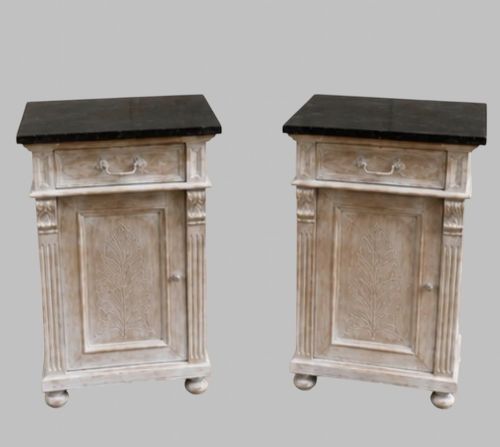
Distressed Painted Wood Table
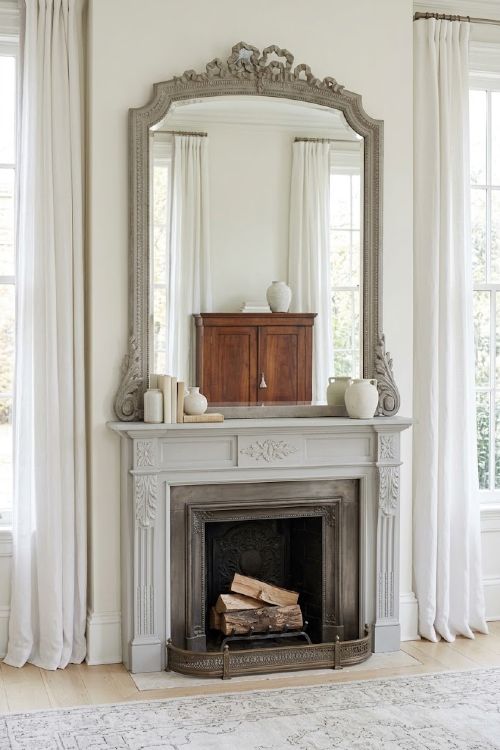
A distressed painted wood table brings genuine regional character and centuries of layered colour into a room.
Distressed Painted Wood Table
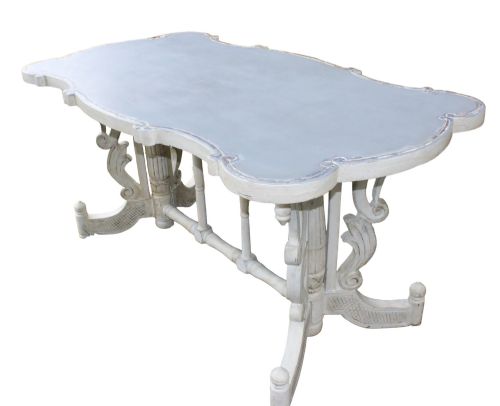
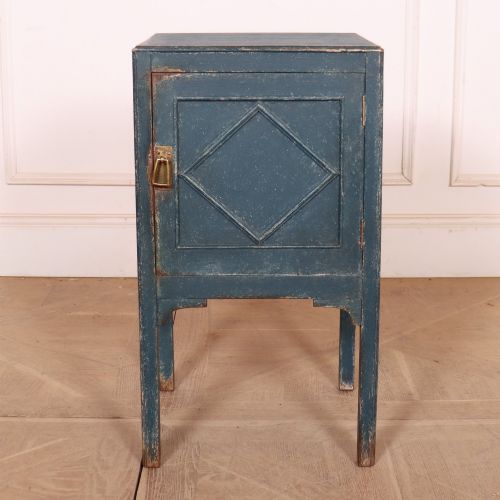
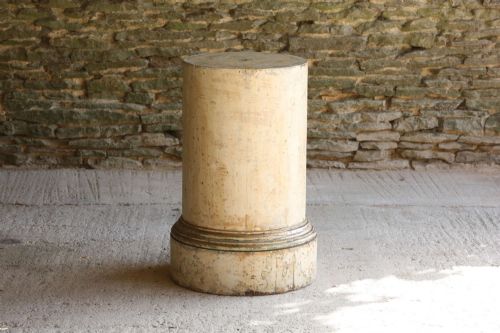
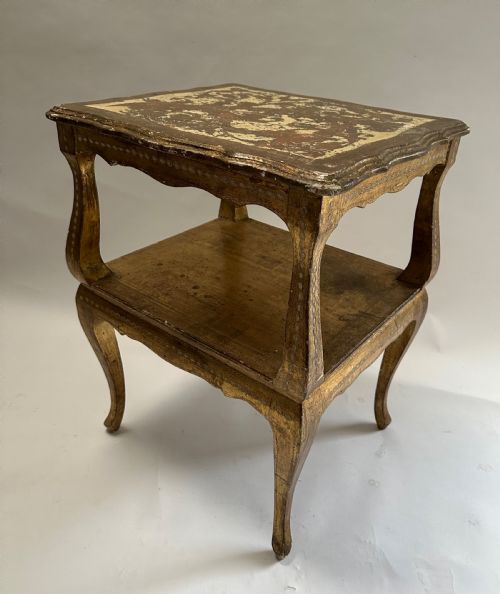
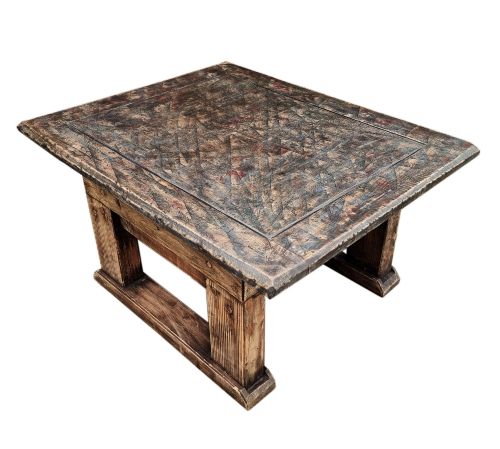
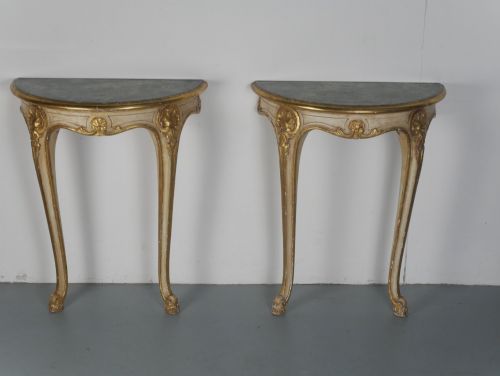
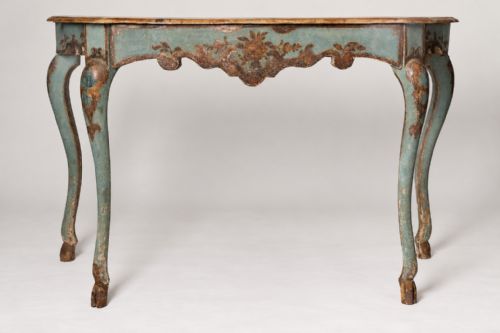
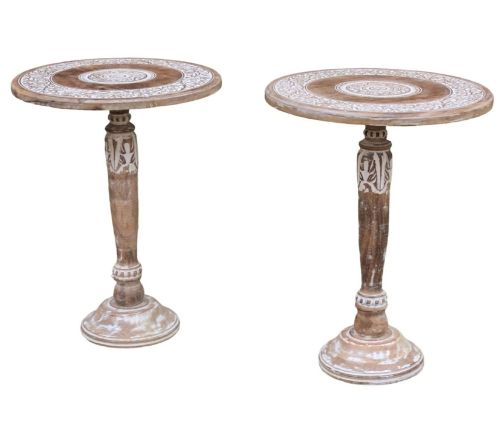
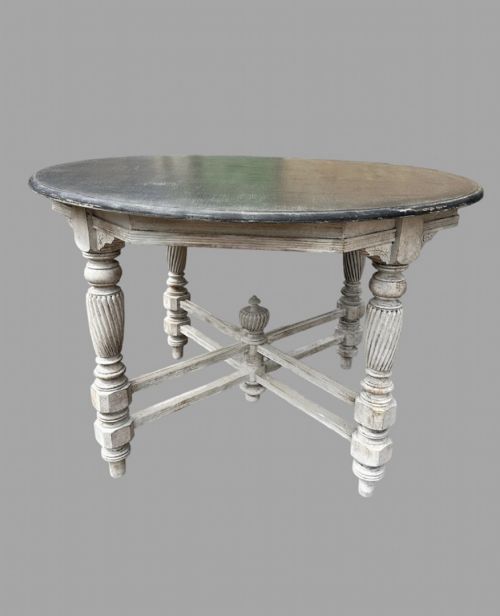
When you search for a distressed painted wood table, you encounter console tables, side tables, occasional tables, and coffee tables from European traditions. The pieces appearing here span the eighteenth century through the early twentieth century, taking forms typical of French, Swedish, Venetian, and English country houses.
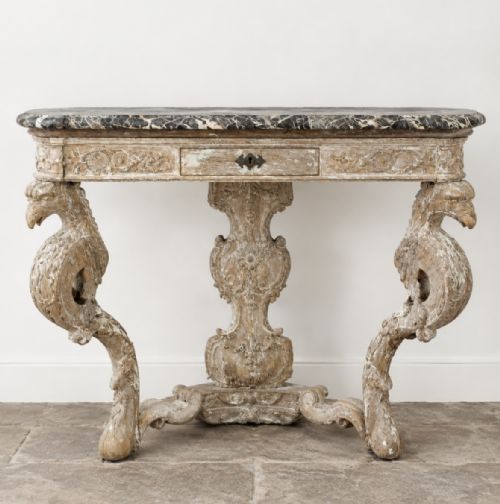
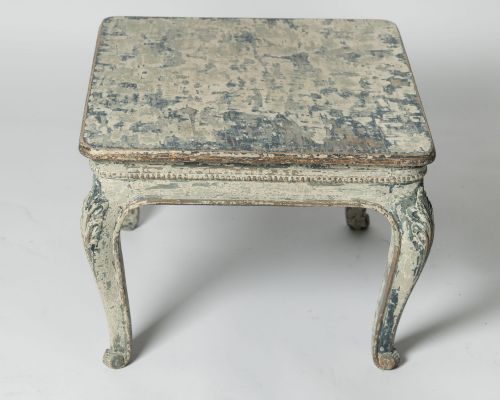
The version you are most likely to meet on this page is a console or side table from the nineteenth century, often showing worn paint finishes in white, pale green, or muted grey. These items range from simple pine bedside cabinets to grander console tables adorned with carved wood or marble tops.
Regional variations dominate the selection, with Gustavian and Swedish country pieces appearing alongside French provincial and Italian rococo examples. Each type reflects the domestic habits and local cabinet-making methods of its origin, adapted over generations through everyday use.
How they were made
Makers built these tables primarily from solid pine and other native timbers, assembling frames with traditional joinery before applying multiple layers of paint and sometimes gesso. Over decades, this layered surface developed a natural craquelure and worn patina as the timber underneath expanded and contracted.
Finishes relied on organic pigments mixed with oil or water-based binders, which wore away gradually at points of contact like edges and corners. Optional details such as carved wooden ornamentation or inset marble tops added architectural weight to console and centre tables.
Distressed Painted Wood Table Retail Price Guide 2026
Typical asking prices for distressed painted wood table among the pieces listed under this phrase on Sellingantiques today, from the lower quarter to the upper quarter. They describe what is for sale here now, not the wider market.
An apprentice cabinet maker once practiced miniature dovetails on a tiny French chest, leaving a perfect scaled-down marvel behind.
What varies in quality
The distinction between ordinary and exceptional pieces lies in the integrity of the original painted surface and the honesty of the wear. Tables that retain their first or very early layers of paint hold greater architectural and historical interest than those stripped down and repainted in modern times.
Structural honesty and regional detail separate simpler utility items from finer salon pieces. Well-proportioned console and occasional tables demonstrate deliberate proportion and balanced carving, whereas lesser examples rely solely on surface distress to create character.
The Distressed Painted Wood Table Glossary
- Console table
- A table designed to stand against a wall, frequently secured to it with brackets, often featuring elaborate carved legs or aprons. These pieces often carry marble tops and painted finishes suited to formal reception rooms.
- Gesso
- A plaster-like mixture applied to wood surfaces as a smooth base for paint or gilding. It provides a crisp ground for carved details before the final colour is laid down.
- Gueridon
- A small round occasional table supported by a central pillar or multiple legs. Originating in France, these tables frequently incorporate marble inserts and painted wooden frames.
- Tilt top table
- A table with a hinged top that can be tilted vertically when not in use to save floor space. They appear across the nineteenth century in various painted finishes.
- Gateleg table
- A drop-leaf table with hinged legs that swing out to support the extended flaps. Large Swedish examples in painted finishes are typical of rural dining spaces.
Distressed Painted Wood Table: Frequently Asked Questions
What periods do these painted tables come from?
The pieces span the eighteenth, nineteenth, and early twentieth centuries. They cover periods such as the Georgian, Victorian, and Edwardian eras, alongside continental styles.
Craftsmanship from these times relies on solid timber construction and hand-applied finishes that have aged naturally over generations.
How do I care for a painted wooden table?
Maintain the surface by dusting gently with a soft dry cloth and avoiding harsh chemical cleaners. Keep the table away from direct heat sources and strong sunlight to protect the fragile paint.
Using coasters and mats prevents moisture rings from damaging the historic finish on coffee and side tables.
Are these tables suitable for daily use?
Most occasional, coffee, and side tables function well in modern living spaces for everyday placement of lamps and books. Their historic nature means they benefit from mindful handling.
Console and centre tables offer sturdy surfaces while retaining the decorative appeal of their regional origins.
How can I tell Swedish styles apart from French ones?
Swedish pieces, particularly Gustavian items, tend to feature restrained neoclassical lines with pale grey, cream, or white paint. French provincial and Venetian examples often display more exuberant curves, carved floral motifs, and bolder colour choices.
Examining the underlying woodwork and secondary timbers helps confirm the likely regional workshop origin.