






Distressed Painted Folk Art
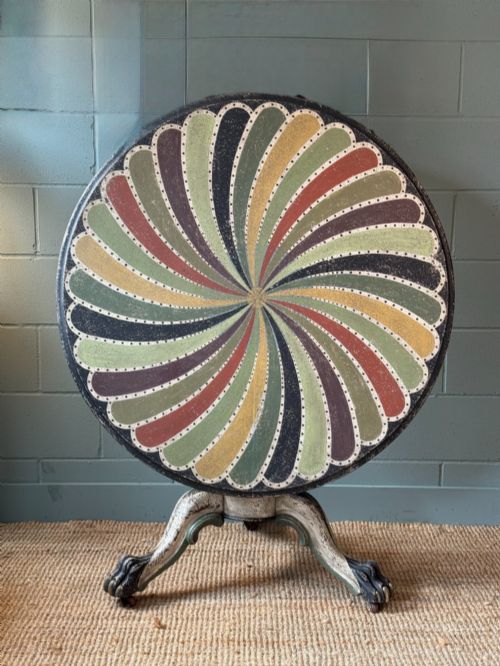
These pieces of distressed painted folk art are working objects shaped by hand and weathered by time, offering practical utility with distinct regional character.
Distressed Painted Folk Art
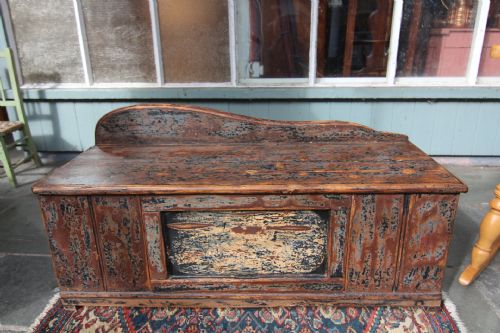
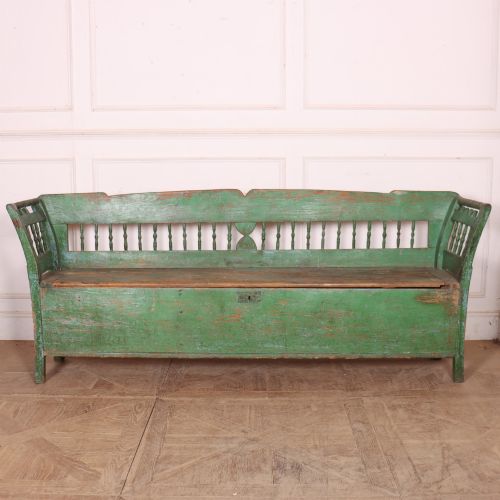
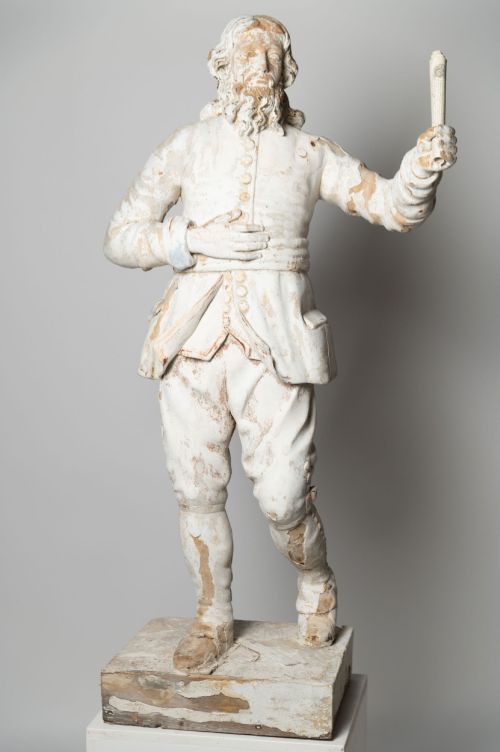
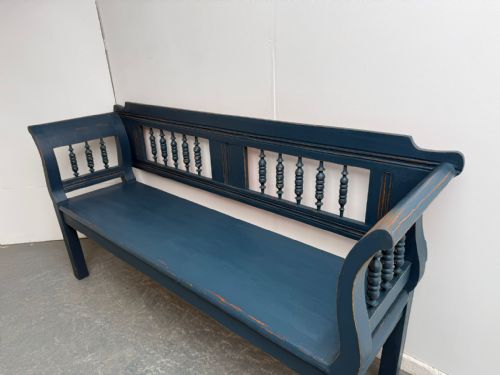
When searching for distressed painted folk art, a buyer encounters domestic furnishings and decorative items rooted in 18th century, 19th century, and early 20th century traditions. The selection spans utilitarian forms such as pine benches, blanket boxes, cupboards, and side tables, alongside carved figures and children's toys.
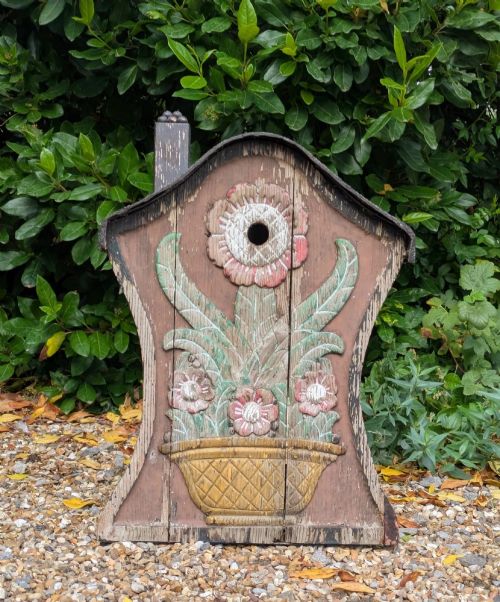
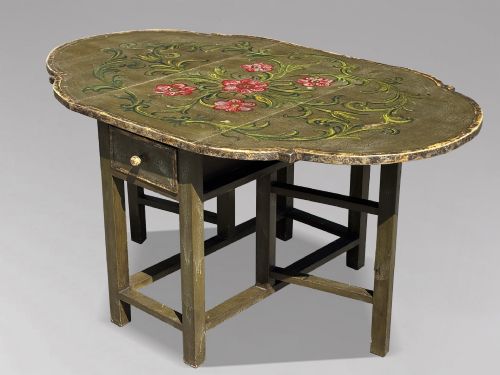
The version most commonly met on this page is the Scandinavian country piece, particularly Swedish pine furniture finished with layers of paint. These range from drop-leaf tables and highchairs to strong boxes and bird boxes, reflecting rural craftsmanship from across Europe.
Beyond northern Europe, the inventory includes Austrian farmhouse seating, Hungarian dressers, French butcher shop displays, and English or Irish country chairs. Each object carries the marks of daily use within rural homes, workshops, and fairgrounds.
Materials and construction methods
Makers relied primarily on local timber such as pine, ash, and general carved wood, supplemented by structural iron and wrought iron components. Seating often incorporated organic elements like leather and horsehair, while specific items utilised plaited straw for seating surfaces.
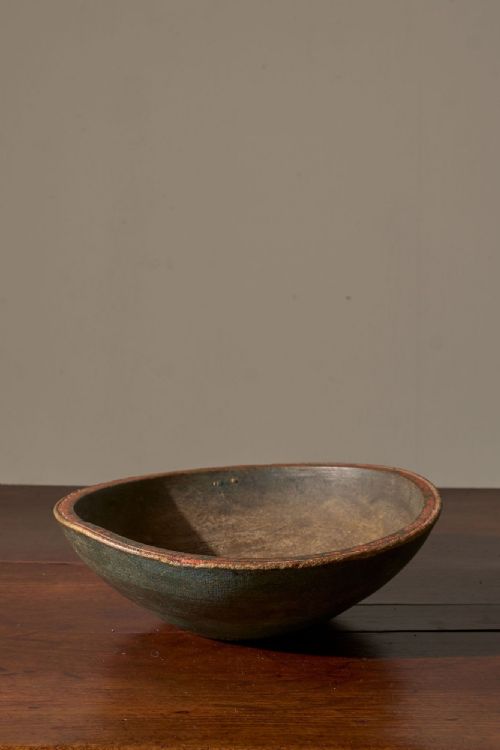
Surfaces were finished with paint applied directly to wood, sometimes showing decades of wear, layering, or later decorative touches like floral petal designs. Construction prioritised utility, combining traditional joinery with durable hardware suited to heavy domestic or commercial service.
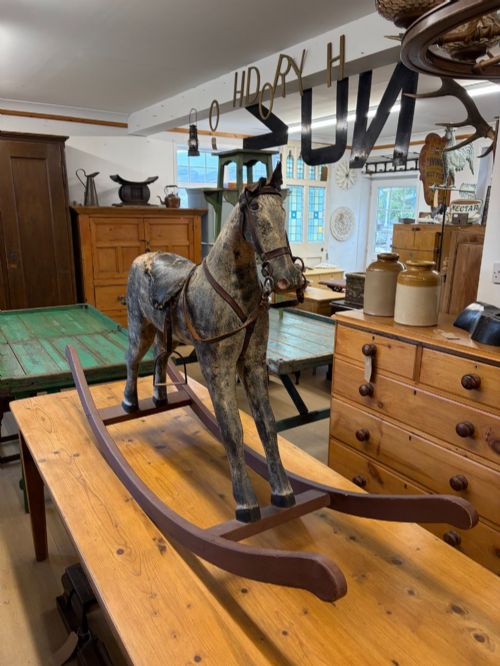
Several listings preserve the distinct stares of wooden decoy geese and fairground horses that once watched over marshes and carousels.
Evaluating quality and authenticity
Quality rests in the integrity of the original surface and the honesty of the wear. Pieces retaining their initial painted schemes command greater interest than those subjected to modern repainting, though later decorative additions still reflect historical use.
Structural honesty separates ordinary items from superior examples. Hand-carved details on figures, decoys, and carousel horses demonstrate individual artistry, while vernacular furniture relies on sturdy proportions and functional design.
The Distressed Painted Folk Art Glossary
- Súgán chair
- A traditional regional chair featuring a wooden frame and a seat made from twisted straw or hay rope.
- Strong box
- A heavy wooden chest, often iron-reinforced and painted, designed for secure storage of valuables in domestic settings.
- Decoy
- A carved and painted wooden bird or animal, such as a duck, goose, or pigeon, originally utilised in hunting and now appreciated as sculpture.
- Carousel horse
- A carved wooden figure removed from a fairground ride, frequently displaying remnants of hand-painted decoration and organic horsehair.
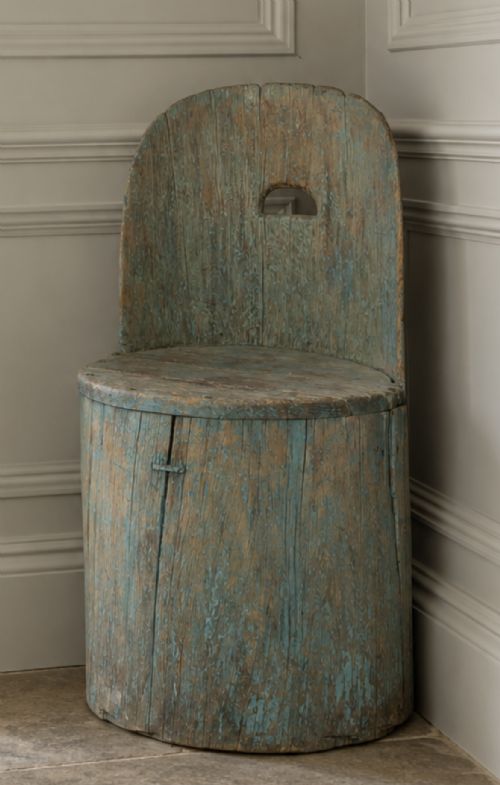
- Dug out chair
- A primitive seating form hewn directly from a single log or thick timber trunk.
Distressed Painted Folk Art: Frequently Asked Questions
What defines folk art furniture?
Folk art furniture comprises utilitarian household items made by rural craftsmen rather than professional urban workshops. These pieces prioritise practical function and local stylistic traditions over formal academic design.
Decoration is typically hand-applied using accessible pigments, resulting in colourful surfaces that age according to the environment the object inhabited.
How were painted pine boxes used?
Painted pine boxes and blanket boxes served as essential storage for textiles, valuables, and domestic goods in 18th and 19th century homes. Their sturdy construction allowed them to double as seating or tables within modest rural dwellings.
Strong boxes often included internal compartments and iron hardware to secure documents and personal items against theft or fire.
Are fairground figures considered folk art?
Fairground figures, including carousel horses and boat ride decorations from the 19th and early 20th centuries, fall under the broad umbrella of folk art. They were carved from wood by artisan craftsmen to attract the public to travelling carnivals and rides.
Their heavy coats of paint and expressive carving styles align closely with traditional rural craft practices.
How do I care for antique painted wood?
Antique painted wood requires stable indoor humidity and protection from direct sunlight to prevent the underlying timber from shrinking and the paint layers from flaking. Gentle dusting with a dry cloth is sufficient for routine maintenance.
Avoid chemical cleaners, modern solvents, or excessive moisture, which can permanently strip or lift fragile historical finishes.