
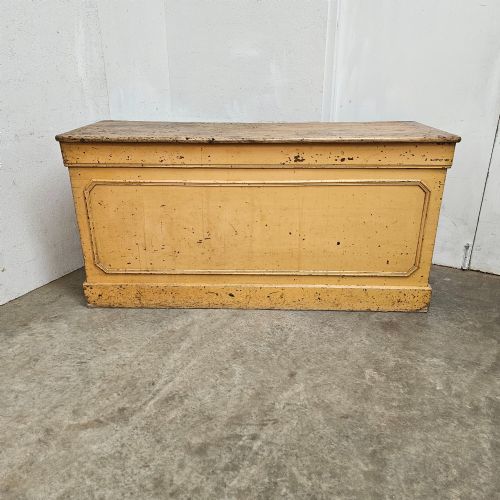


Distressed Painted Display Cabinet
A distressed painted display cabinet brings weathered charm and practical storage to a room, offering a softened look that modern furniture rarely matches.
Distressed Painted Display Cabinet
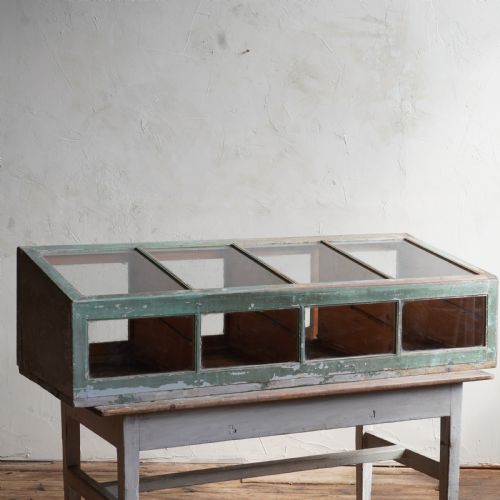
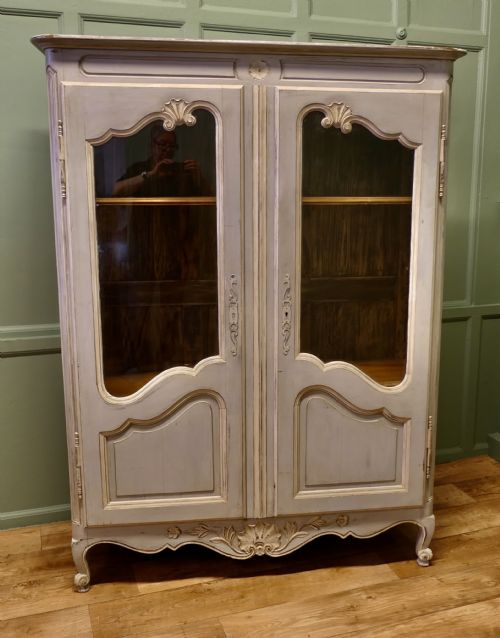
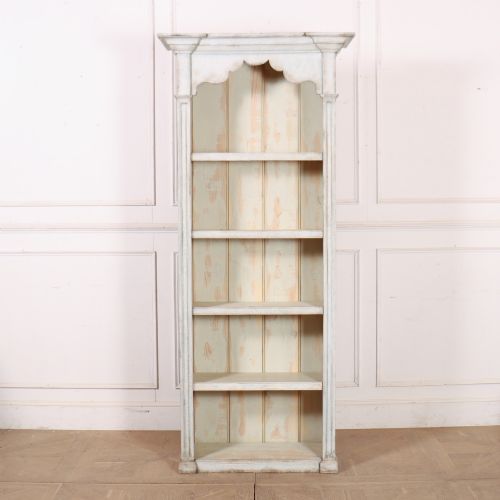
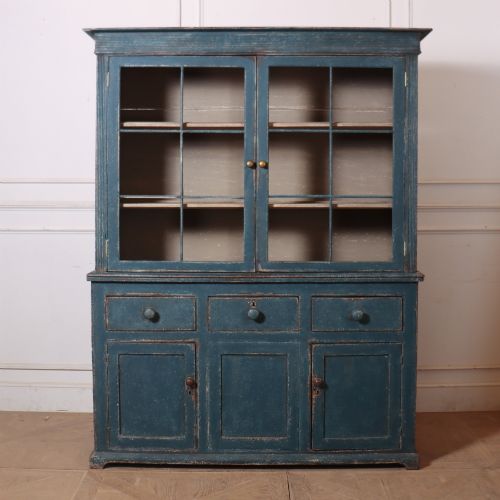
A distressed painted display cabinet encompasses various storage forms finished with aged surface treatments. When you search for this phrase, you will encounter pieces ranging from tall library bookcases and corner cupboards to countertop cases and kitchen dressers.
The selection on this page draws heavily from nineteenth-century country furniture, Victorian pieces, and continental origins. Cabinets often feature glass panels for viewing contents, alongside painted timber structures in finishes from cream and teal to original shop paint.
How they were made
Construction relies on solid timbers such as pine and general wood framing, built into large forms like two-part corner cupboards, armoires, and dressers. Joinery techniques reflect traditional cabinetmaking suited to heavy domestic or shop use.
Surfaces are treated with paint, sometimes original to the period, layered over timber and combined with glass doors and brass hardware. The resulting distressed appearance comes from decades of natural wear or intentional surface ageing.
One Hungarian dresser arrives complete in cream and teal.
What varies in quality
Quality rests in the originality of the surface and the integrity of the timber structure. Pieces retaining original paintwork or authentic regional finishes hold greater visual interest than later repainted surfaces.
Proportion and scale also dictate distinction, from modest countertop display boxes to massive breakfront bookcases and library cabinets. The clarity of glass, stability of joints, and preservation of brass fittings complete the hierarchy.
The Distressed Painted Display Cabinet Glossary
- Vitrine
- A glass-fronted cabinet designed for displaying fine objects or books. These pieces often feature delicate framing to showcase the contents within.
- Breakfront
- A large cabinet or bookcase where the central section projects forward from the flanking wings. This architectural arrangement adds depth to large pieces.
- Armoire
- A tall wardrobe or cupboard enclosed by doors. In country houses, these structures frequently function as general storage or display units.
- Credenza
- A sideboard or low cabinet typically used for storage and display. Victorian examples bring substantial presence to a dining space or hallway.
- Shop Counter
- A utilitarian retail fixture adapted for domestic display use. These items often retain unique patination from commercial environments.
Distressed Painted Display Cabinet: Frequently Asked Questions
What is a distressed painted display cabinet?
It is a storage unit featuring glass or open shelving, finished with an aged or worn painted surface. These pieces range from country dressers to shop counters.
Originating across various European and English traditions, they provide character and visible texture to modern interiors while serving a practical storage function.
Where were these cabinets used?
Historically, they served in domestic kitchens, libraries, parlours, and commercial shops. Large bookcases stood in formal rooms, while smaller cases sat on counters.
Today, buyers place them in living rooms, dining spaces, and hallways to store tableware, books, or collections while displaying them securely behind glass.
How do I date a painted cabinet?
Dating relies on construction methods, timber types like pine, and the characteristics of the paint layers. Nineteenth-century and eighteenth-century examples show distinct joinery.
Evidence of original paint, hand-blown glass, and period brass hardware helps narrow the manufacturing era and confirms the authenticity of the piece.
How do I care for aged painted wood?
Maintenance involves keeping pieces away from direct sunlight and extreme humidity fluctuations to protect both the timber and the fragile painted finish. Gentle dusting preserves the surface.
Avoid harsh chemical cleaners that might strip away the historic patination and the distressed character accumulated over the centuries.