
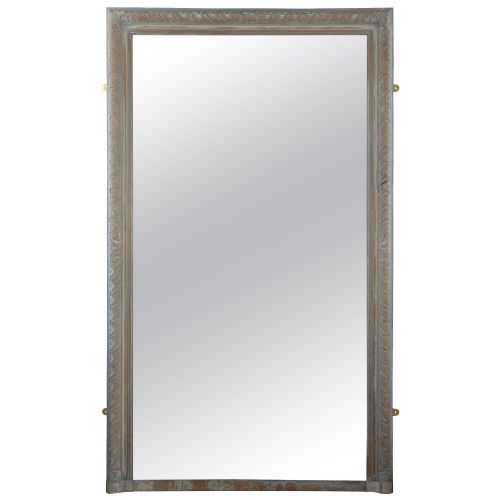

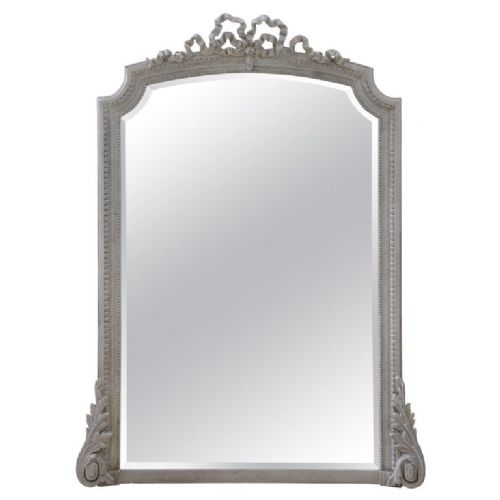


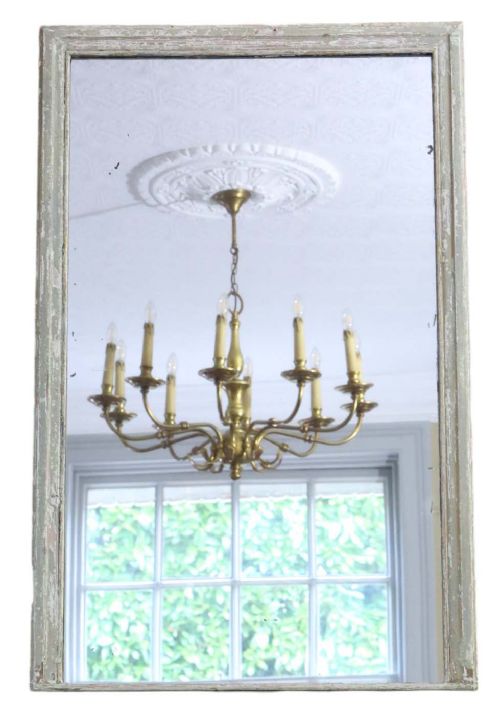

Distressed Grey Mirror
Distressed grey mirror selections bring character through nineteenth-century painted wooden frames and aged silvered glass.
Distressed Grey Mirror
A distressed grey mirror represents a category of wall-hanging and overmantel looking glasses shaped by decades or centuries of weathering upon painted wooden surfaces. When buyers search for a distressed grey mirror, they encounter nineteenth-century pieces originating from French and English workshops, spanning styles from Louis Philippe to Victorian.
The version most commonly found on this page is the large overmantel or wall mirror, framed in carved wood and gesso with an aged grey or light grey painted finish. These objects frequently display shaped, arched, or plain tops designed to sit above a fireplace or anchor a principal room.
Pieces from this selection bridge domestic utility and decorative grandeur, utilising distressed finishes that reveal underlying gesso or bare timber. They reflect historical periods running from the mid-nineteenth century into the early twentieth century, maintaining traditional proportions suited to period interiors.
How they were made
Makers constructed these frames from solid wood, often layering gesso over carved wooden mouldings to build up decorative relief details such as scrolls, ribbing, or architectural columns. This gesso layer provided a smooth ground for subsequent coats of paint.
Surfaces received layers of paint, commonly in shades of grey, which over time developed natural wear, cracking, and distressing through atmospheric exposure and use. Mercury glass or early mirror glass was set within the rebate, secured by wooden backs.
Distressed Grey Mirror Retail Price Guide 2026
Typical asking prices for distressed grey mirror among the pieces listed under this phrase on Sellingantiques today, from the lower quarter to the upper quarter. They describe what is for sale here now, not the wider market.
Listings feature nineteenth-century and early twentieth-century periods, utilising wood, gesso, paint, and mirror glass across French and English styles.
What varies in quality
Quality rests in the depth of the hand-carved wooden ornament beneath the painted surface and the crispness of the moulded gesso details. Stronger examples maintain structural integrity in the heavy wooden frames while showing organic, patinated wear to the grey paint.
The integrity of the original mirror glass, whether featuring mercury backing or period silvering, influences the character of the piece. Superior specimens combine substantial scale with harmonious proportions, such as well-balanced arched or shaped tops.
The Distressed Grey Mirror Glossary
- Gesso
- A plaster-like mixture applied to wood frames to create a smooth surface for painting or gilding. It allows intricate relief ornamentation to be moulded onto the timber.
- Overmantel mirror
- A large looking glass specifically proportioned to hang above a fireplace mantelpiece. These pieces often feature wide wooden frames designed to dominate the chimney breast.
- Trumeau mirror
- A decorative wall mirror incorporating a painted panel or artwork within the upper section of the frame. Originating in French interiors, these combine woodwork and glass in a single composition.
- Louis Philippe mirror
- A nineteenth-century French style characterised by a gently rounded upper corners and simple, elegant framing. These pieces favour restrained neoclassical lines over heavy rococo ornamentation.
- Mercury glass
- An early form of double-walled glass blown with a silver-mercury amalgam poured between the layers to create a reflective coating. It produces a mottled, dark reflection distinct from modern mirrors.
- Cushion mirror
- A frame profile featuring a convex or outwardly curved moulded section resembling a soft cushion. This style projects forward from the wall, adding depth to the reflective glass.
Distressed Grey Mirror: Frequently Asked Questions
Where should I hang a large overmantel mirror?
These large mirrors traditionally sit above a fireplace mantelpiece to reflect light and anchor the room's proportions.
They also function effectively on principal walls in reception rooms or hallways where substantial vertical scale is required.
How do I identify a nineteenth-century French mirror?
French pieces from this era often feature softer carved wooden details, gesso ornamentation, and specific regional forms like Louis Philippe or trumeau styles.
Construction methods utilise old timber backs and hand-applied painted finishes that differ from later mass-produced alternatives.
What is mercury glass?
Mercury glass is an early reflective material made by sealing a silver-mercury mixture between double walls of blown glass.
This technique creates characteristic dark spots, clouding, and a deep, soft reflection rather than a clear modern mirror image.
How do I clean an antique painted frame?
Painted and gesso-work frames require gentle dusting with a dry, soft cloth to preserve the fragile aged surface and original grey paint.
Moisture and modern chemical cleaners should be avoided to prevent damage to the historic timber and distressed finish.
Are these mirrors heavy to hang?
Nineteenth-century carved wood and gesso mirrors possess significant weight due to their solid timber frames and large glass panels.
Securing them requires professional wall fixings and mounting directly into structural studs or masonry.