

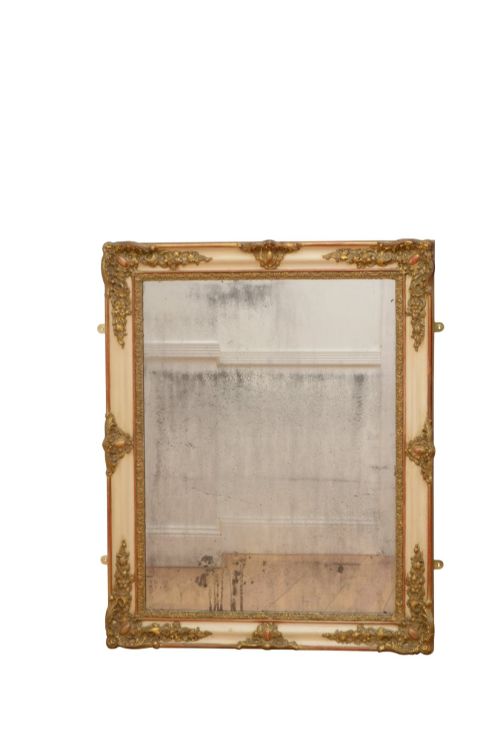
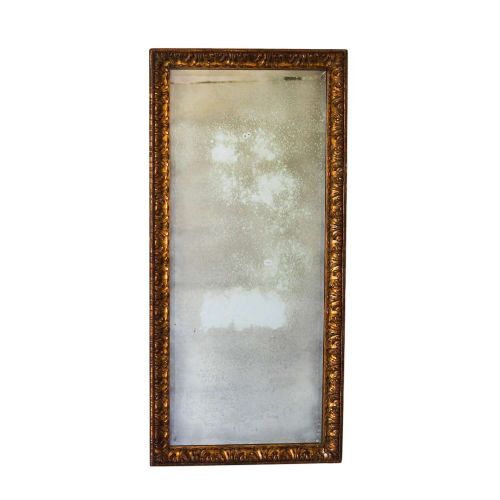
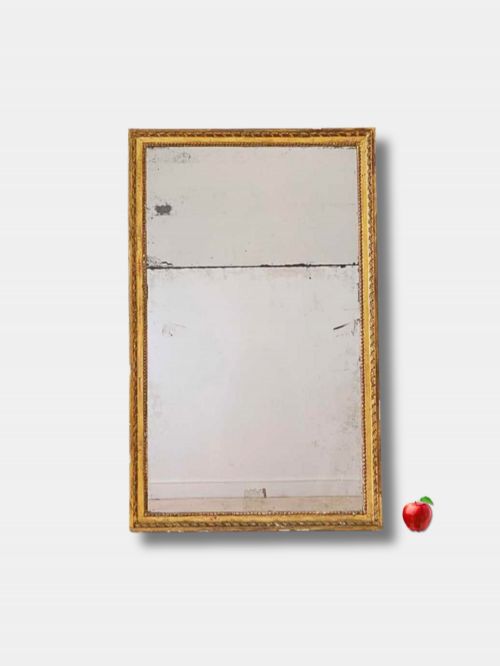
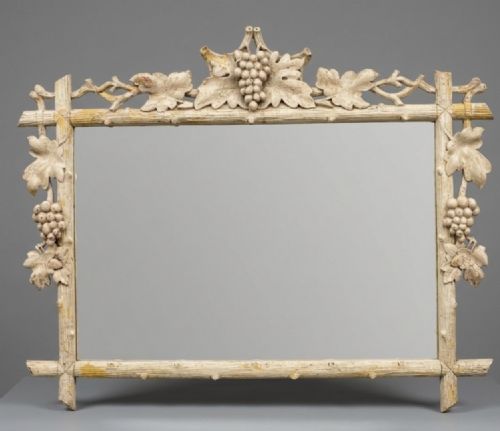
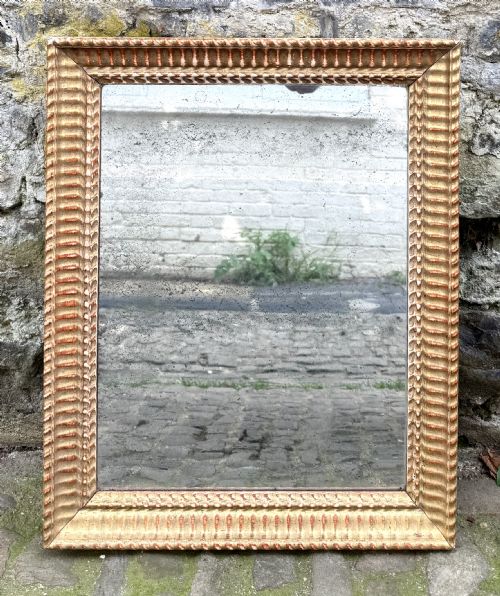


Distressed French Wall Mirror
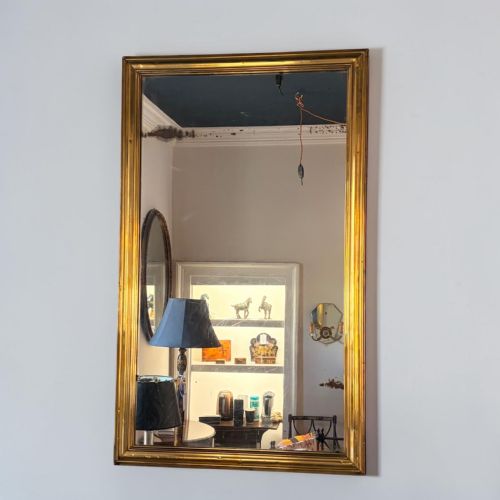
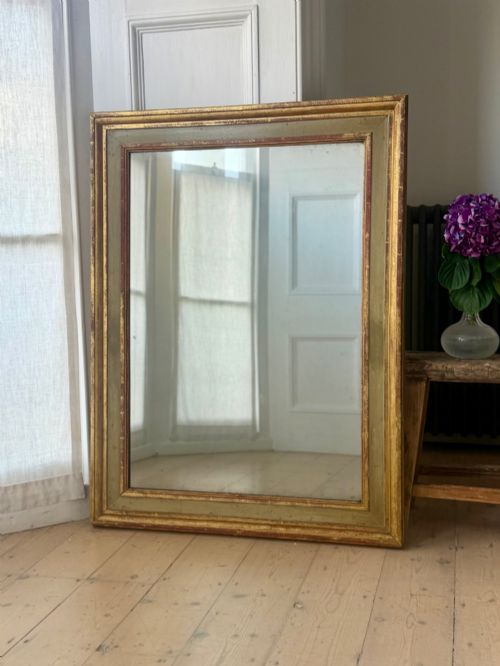
These pieces are a distressed french wall mirror, sought after for their aged glass plates and weathered painted or gilded frames that bring historic character to a room.
Distressed French Wall Mirror
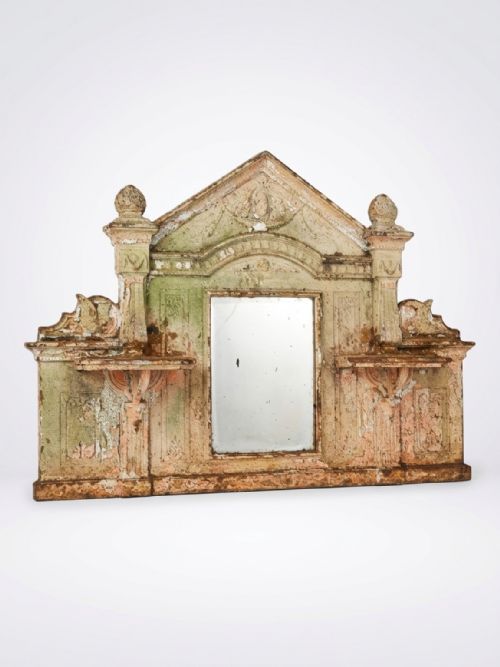
A distressed french wall mirror appears primarily across the nineteenth century, encompassing forms such as overmantels, pier mirrors, and arched wall hangings. The listings show a strong presence of French provincial and Rococo styles alongside simpler painted wooden frames.
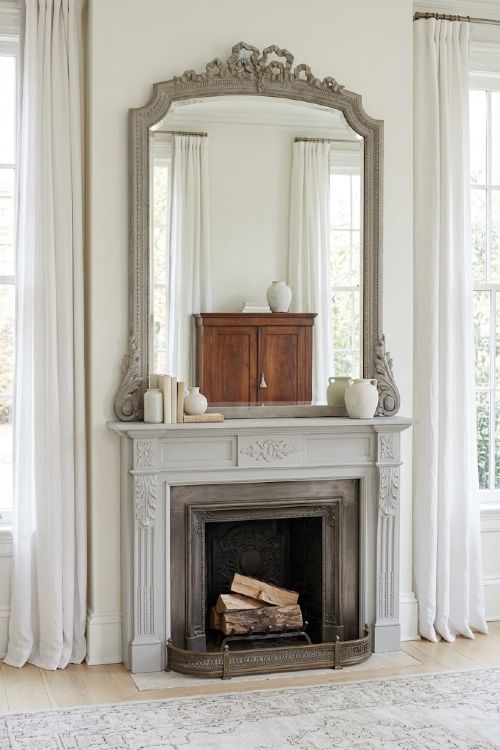
Buyers encounter substantial carved overmantel mirrors and tall trumeau plates designed to hang above mantelpieces or console tables. These objects carry the aesthetic of French chateaux and domestic interiors from the eighteenth and nineteenth centuries.
Materials and Construction
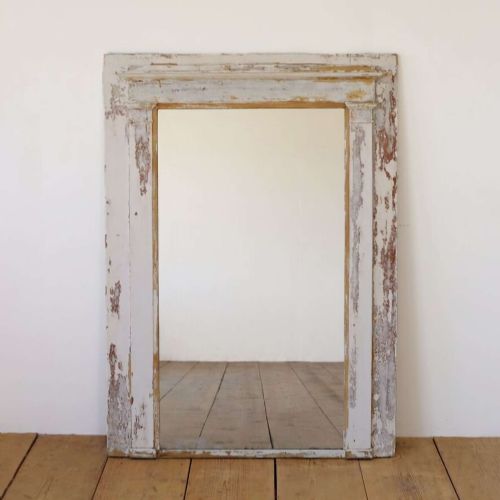
Makers shaped these frames from carved wood and gesso, applying layers of paint, gold leaf, or giltwood to achieve the decorative surface. Many pieces display layered colour palettes, such as lilac and ink blue, beneath subsequent ageing.
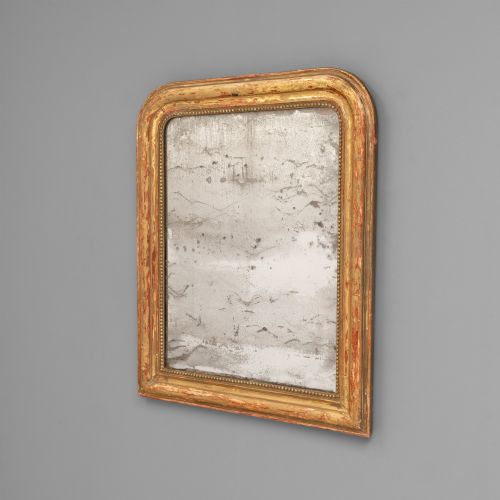
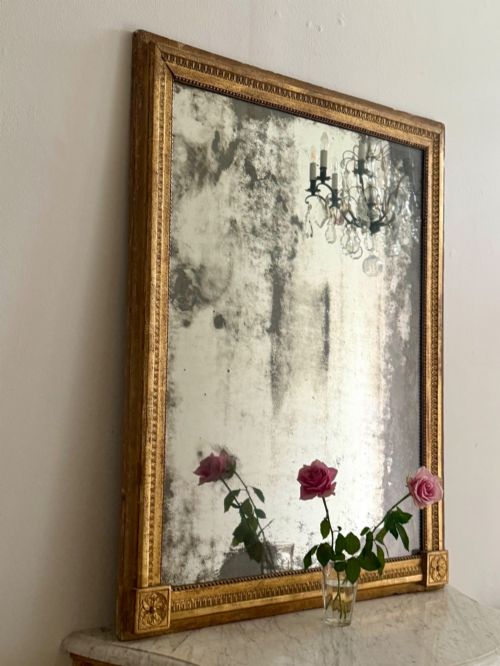
The glass components rely on traditional mercury glass plates, which develop distinctive foxing and dark speckling over time. This interaction between the reflective surface and the wooden or gessoed structure defines the physical build of the pieces.
Historic mercury glass ages gracefully, trapping centuries of reflections in its mottled spots.
Distinctions in Quality
Quality rests upon the depth of the carved woodwork and the integrity of the original gesso and gilding beneath the surface wear. Superior examples retain crisp detail in the carved scrolls and floral motifs despite centuries of handling.
The character of the glass plate also separates tiers, with authentic mercury glass showing deep, natural foxing rather than artificial distressing. Proportion and harmony between the arched frame and the heavy glass plate dictate the overall balance of the piece.
The Distressed French Wall Mirror Glossary
- Mercury glass
- A type of silvered glass produced by pouring a liquid mercury amalgam between double-walled blown glass. This material develops distinctive dark spots and foxing over decades.
- Gesso
- A plaster-like mixture applied to carved wood to create a smooth surface for gilding or painting. It accepts delicate relief moulding before hardening.
- Overmantel mirror
- A large horizontal mirror designed specifically to hang above a fireplace mantel. These frames often feature shaped tops or column supports.
- Trumeau mirror
- A decorative mirror integrated into a wall panel or pier glass arrangement. It frequently combines painted woodwork with a tall reflective plate.
- Foxing
- The natural ageing process in mirror plates where moisture breaks down the silvering behind the glass. This creates mottled dark patches and characteristic speckling.
Distressed French Wall Mirror: Frequently Asked Questions
What is a distressed french wall mirror?
A distressed french wall mirror is an antique hanging glass piece originating from periods such as the nineteenth or eighteenth century, featuring weathered painted, gessoed, or gilded frames.
These mirrors often display regional French styles including Rococo, Louis Philippe, and provincial chateau designs with aged mercury glass plates.
How were these mirrors used?
These mirrors functioned primarily as architectural wall decorations placed above mantelpieces, console tables, or dressing surfaces to amplify natural light within a room.
Large overmantel and pier mirror formats were built to anchor grand domestic spaces and reflect the interior candle or daylight.
How do I hang a heavy overmantel mirror?
Due to the substantial weight of carved wood, gesso, and thick mercury glass plates, these mirrors require professional wall anchoring into structural studs.
Hardware must be selected to match the specific load requirements of the frame to ensure secure placement against the wall.
How do I identify a Louis Philippe mirror?
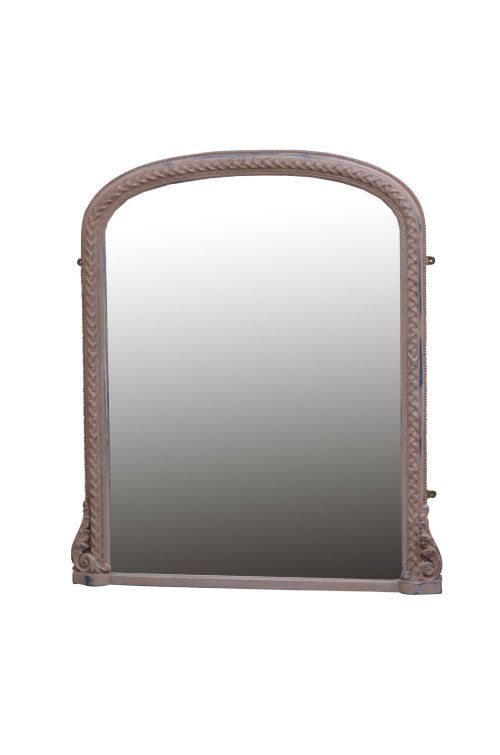
Louis Philippe mirrors typically feature a simple arched top, softened upper corners, and restrained framing that leans away from excessive ornamentation.
They combine understated elegance with traditional painted or gilded wooden construction, often dating from the mid-nineteenth century.