
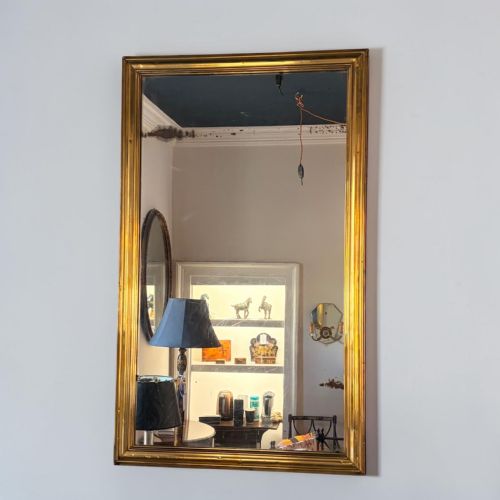
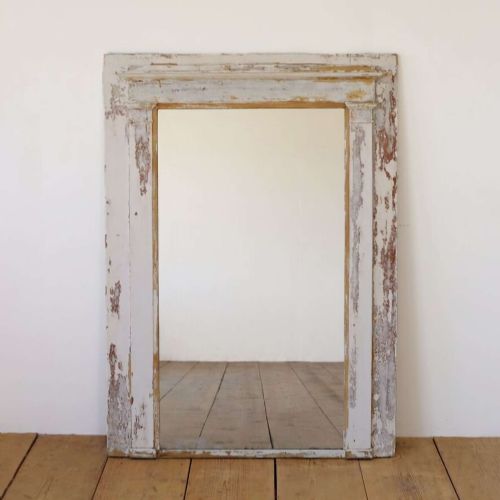
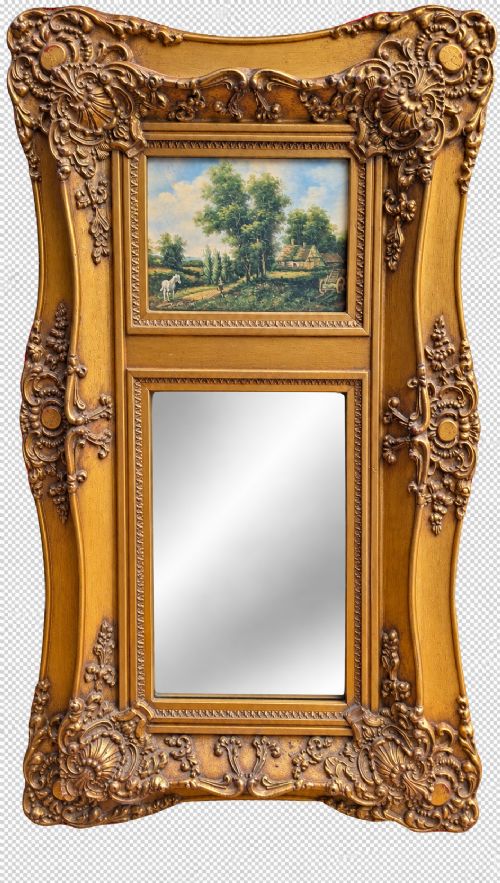
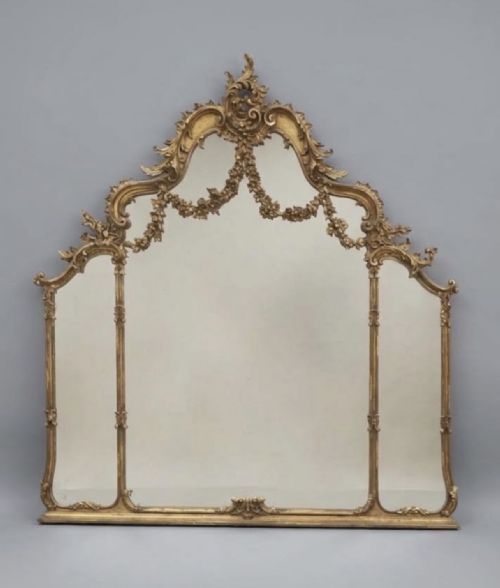
Vintage Chateau Wall Mirror
A vintage chateau wall mirror brings grand French architectural scale and timeworn reflective light into a modern room.
Vintage Chateau Wall Mirror
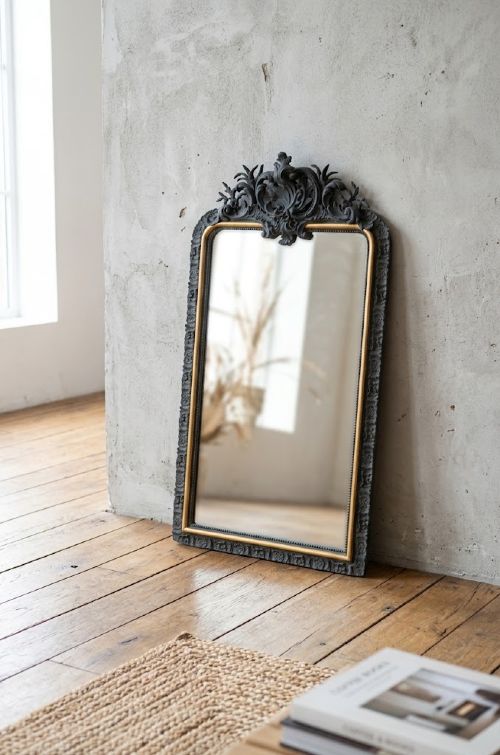
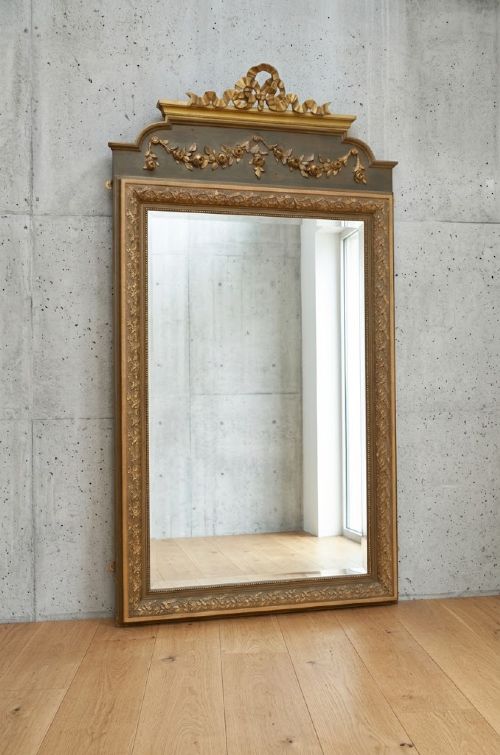
When buyers search for a vintage chateau wall mirror, they encounter substantial pieces designed to anchor large salon or hallway walls. The selection draws heavily from nineteenth-century French and Victorian ateliers, spanning stately overmantels, tall pier mirrors, and full-length leaner formats.
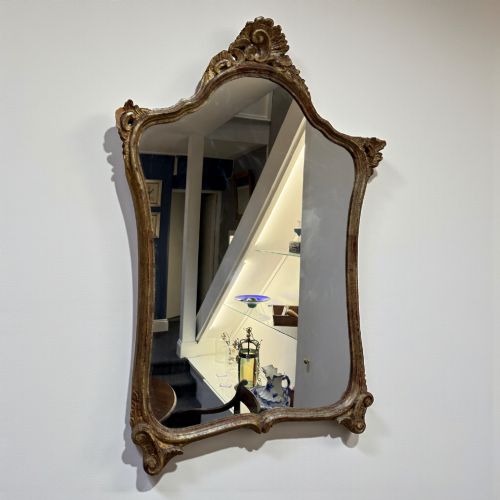
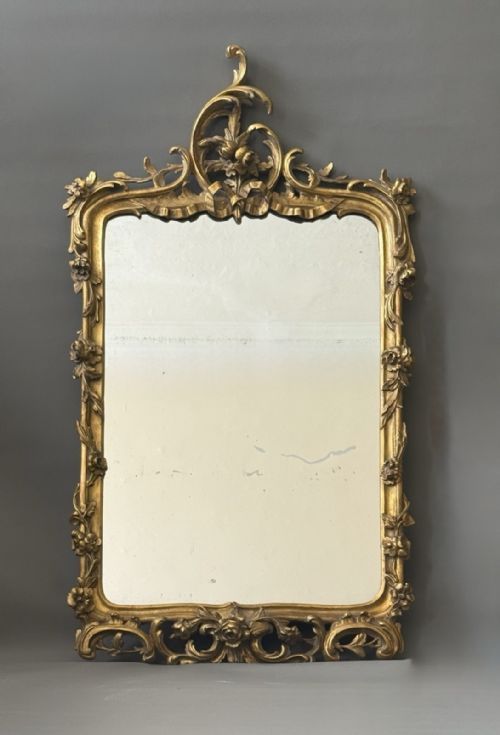
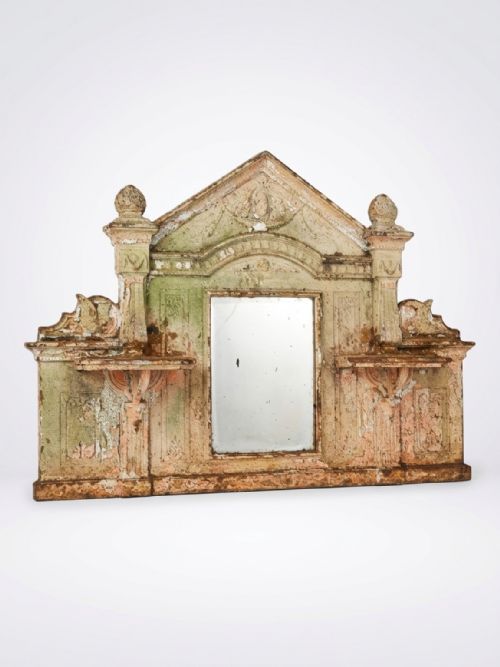
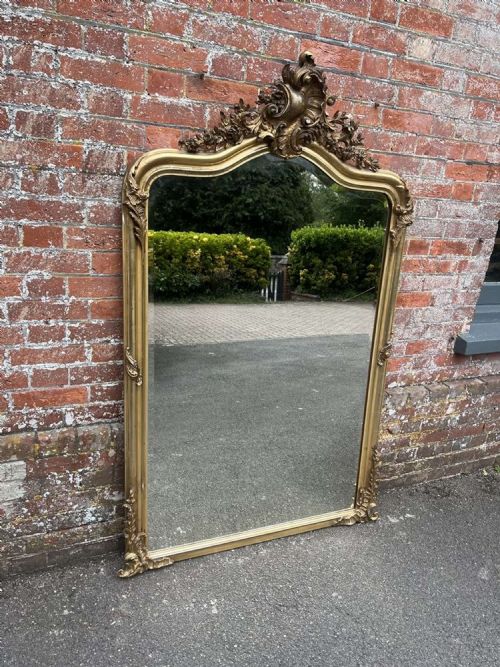
The most frequently met examples display classic French motifs such as carved ribbon crests, rococo scrollwork, and architectural pediments. These objects originate from domestic spaces that demanded commanding vertical presence and decorative grandeur.
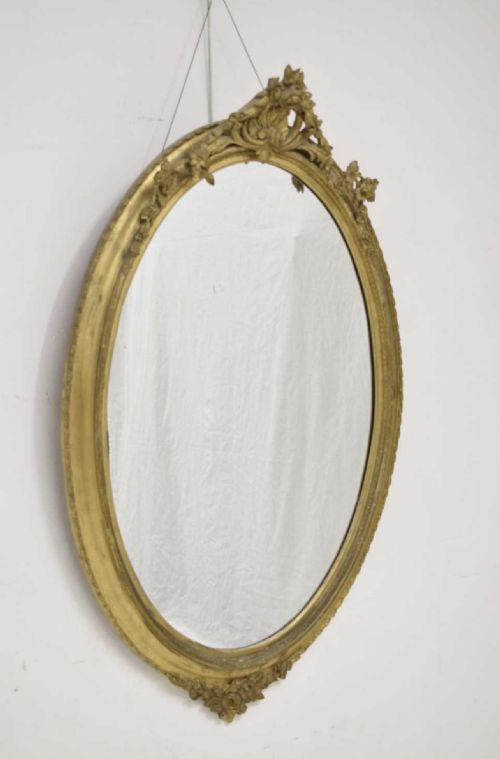
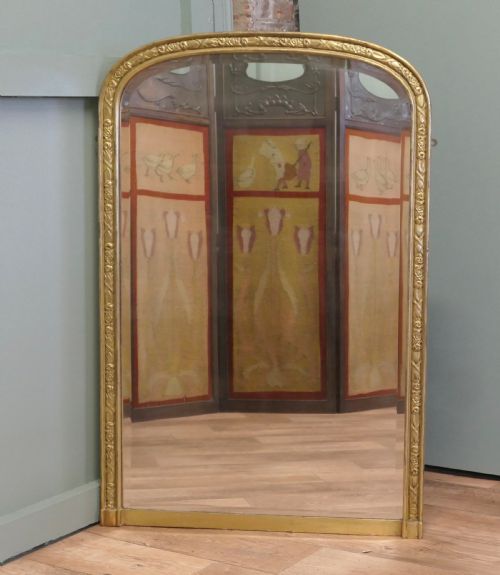
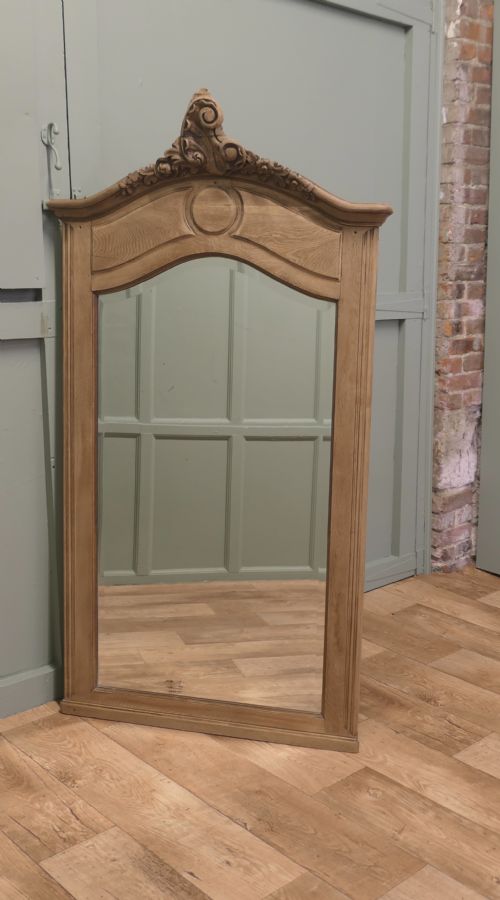
Forms range from arched top panels and rectangular trumeaux to rounded oval frames finished in luminous gold leaf, paint, or bleached oak. Each variation serves the fundamental interior design purpose of bouncing natural daylight deep into living spaces.
Judging quality and craftsmanship
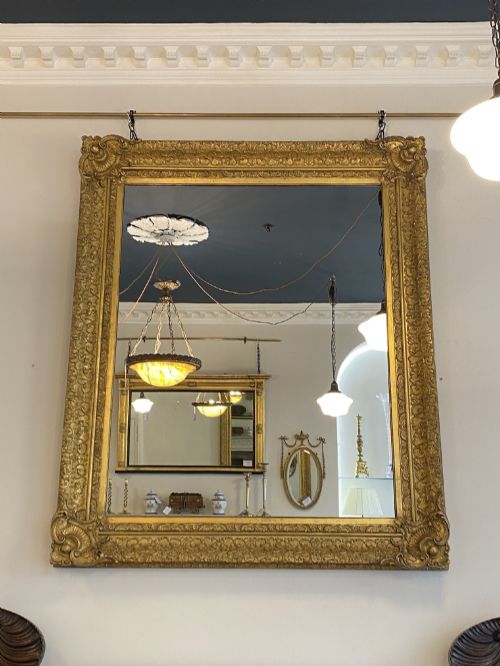
Quality reveals itself in the depth and sharpness of the hand-carved gesso detailing rather than shallow surface moulding. Superior frames exhibit botanical and architectural relief work that retains crisp edges beneath layers of historic gilding or paint.
The integrity of the original mirror plate matters significantly, with genuine period glass showing subtle distortions and desirable age-related foxing that mass-produced replacements simply lack. Structural stability in the underlying wooden joinery ensures that heavy vertical frames hang safely without sagging.
The Vintage Chateau Wall Mirror Glossary
- Trumeau
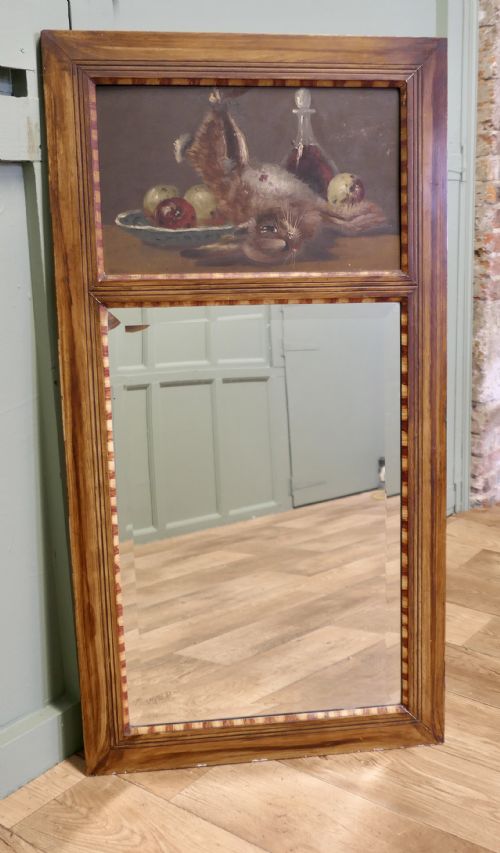
- A decorative wall mirror featuring an upper glass plate paired with a lower painted panel or carved artwork. These pieces originated as fixed architectural elements set between grand salon windows.
- Gesso
- A dense plaster mixture applied to wooden frame bases to form a smooth, buildable surface for carving and gilding. Artisans carved intricate decorative motifs directly into this dried layer.
- Foxing
- Small dark spots and cloudy patches that develop within antique mirror plates over decades of chemical oxidation. This natural ageing process proves the authenticity of the glass.
- Giltwood
- Timber furniture or mirror frames coated in thin sheets of gold leaf applied over a prepared ground. It provides a warm, reflective metallic sheen that mellows gently with age.
- Pier mirror
- A tall, narrow wall mirror specifically manufactured to hang on the narrow wall space between two windows. They maximised interior illumination in nineteenth-century drawing rooms.
Vintage Chateau Wall Mirror: Frequently Asked Questions
What is foxed glass on an antique mirror?
Foxing refers to the natural oxidation spots and atmospheric blemishes that form behind antique mirror glass over many decades. These irregular dark marks and cloudy patches validate the age of the original reflective plate.
Rather than a defect, collectors prize foxed glass for the soft, atmospheric reflection it casts into a room. Modern replacement plates lack this characteristic depth and historical patina entirely.
How do I clean an antique gilded frame?
Dust delicate giltwood and gesso surfaces gently using a very soft, dry artist brush or ostrich feather duster. Avoid applying commercial liquid cleaners or moisture directly onto the gilded finish to prevent lifting the fragile metallic leaf.
Stubborn grime requires professional conservation rather than household cleaning agents, as harsh chemicals strip historic patination. Regular dry dusting remains the safest method for preserving nineteenth-century surface finishes.
Where should I place a large pier mirror?
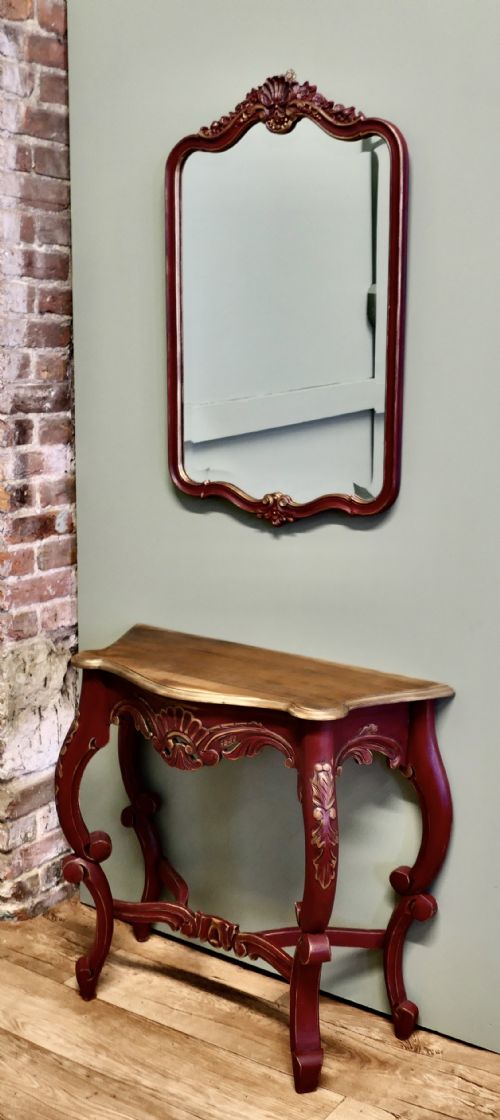
Pier mirrors work best positioned opposite windows to maximise natural light reflection and create an illusion of expanded architectural depth. They also anchor entrance halls and dining rooms when hung above console tables or sideboards.
Tall leaner formats function effectively when propped against a bedroom or living room wall without permanent wall fixings. Ensure the surrounding floor space allows the substantial scale of the frame to breathe visually.