
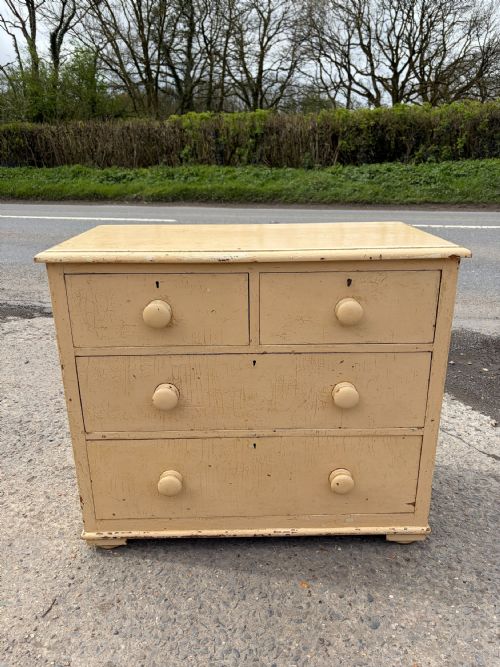


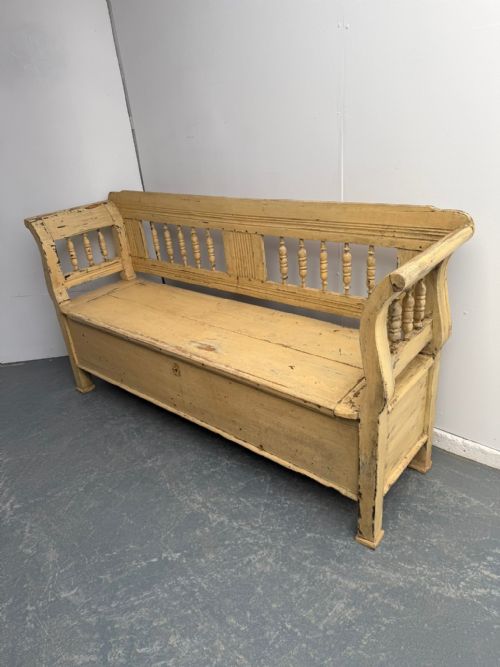


Distressed Cream Furniture
Distressed cream furniture brings painted character into a room, offering softly aged finishes across chests, tables, and seating.
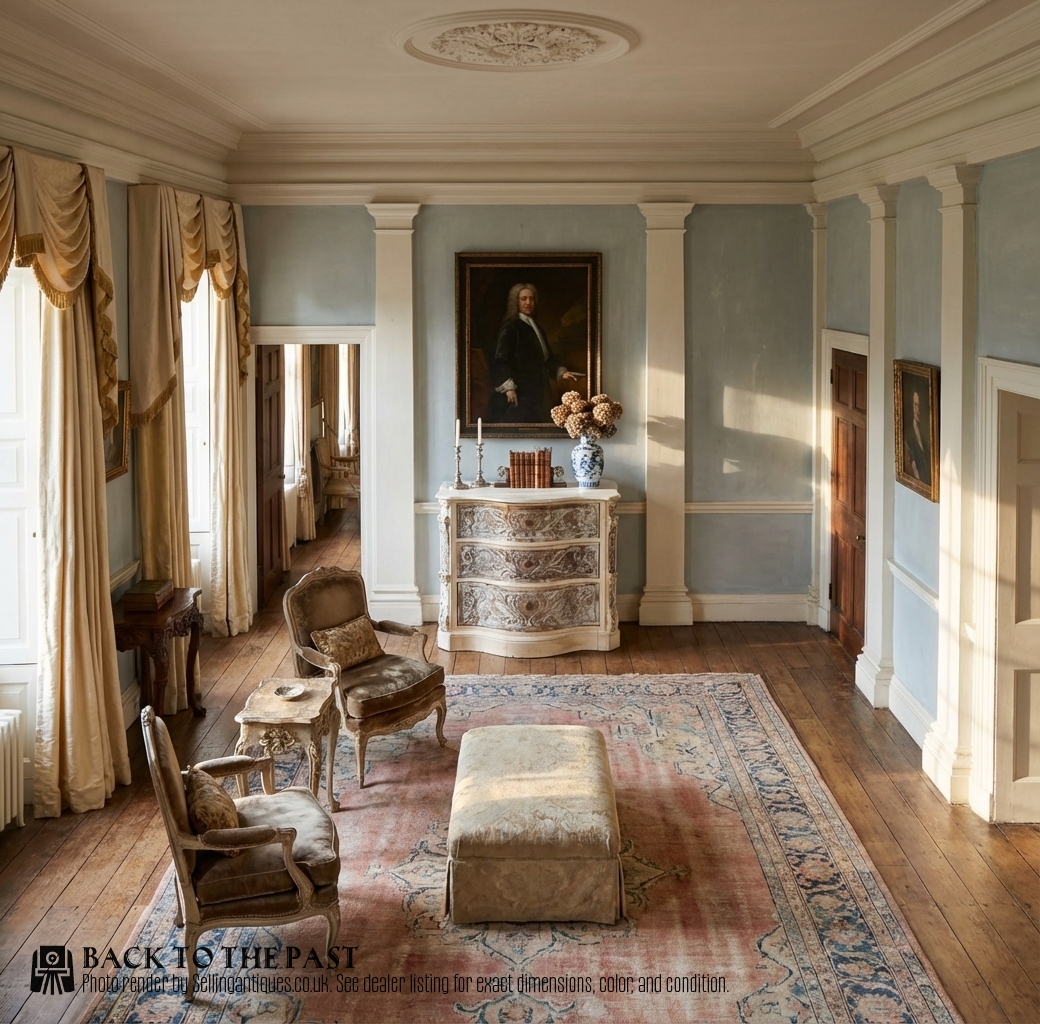
Distressed Cream Furniture
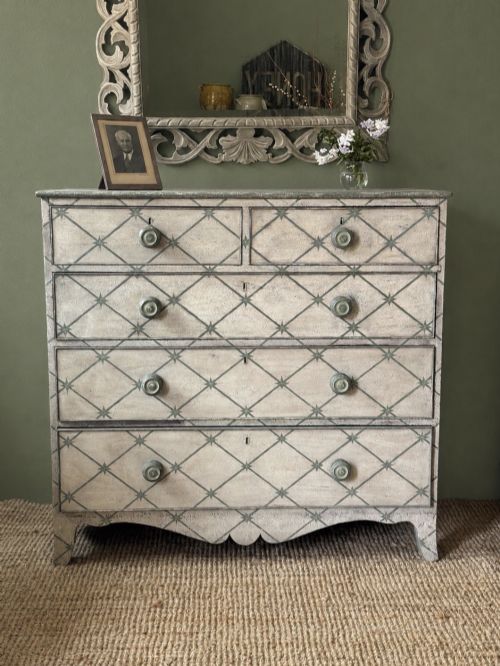
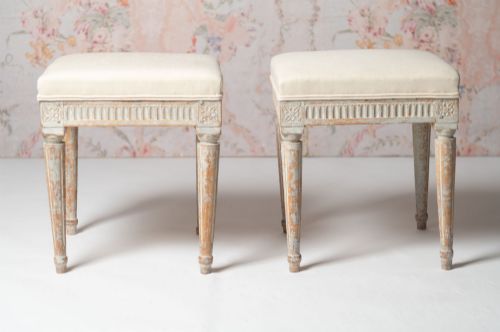
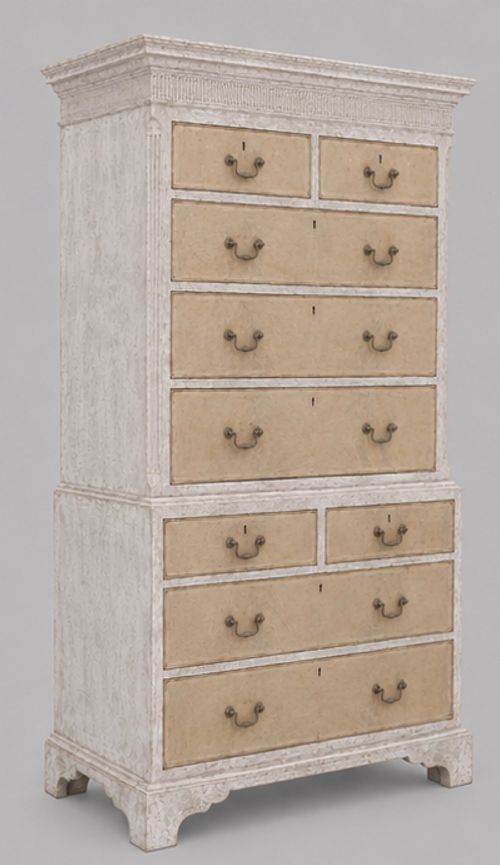
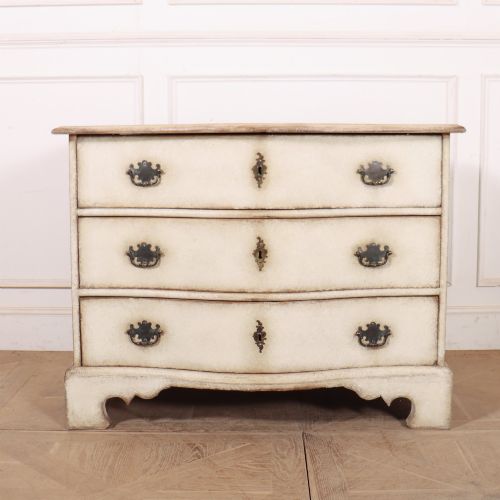
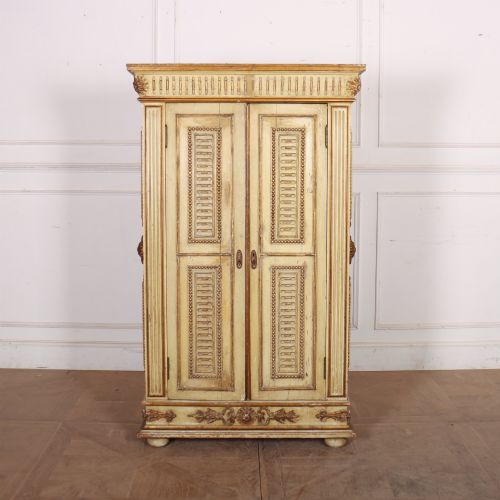
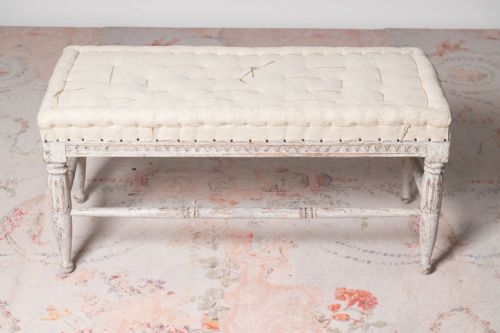
Distressed cream furniture encompasses painted wooden pieces ranging from eighteenth-century commodes and console tables to Victorian pine chests of drawers and country benches. Buyers seeking distressed cream furniture find items styled across various European traditions, including Gustavian, French Chateau, and Italian Neoclassical designs.
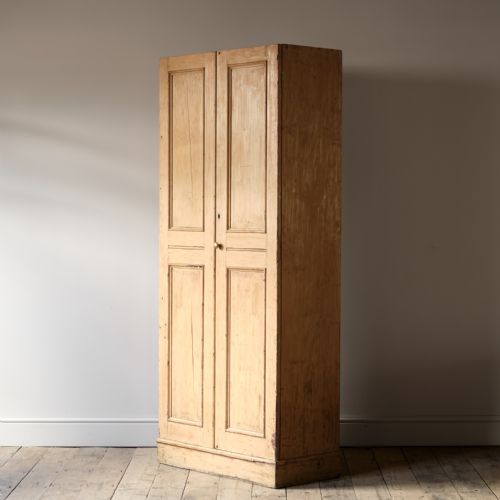
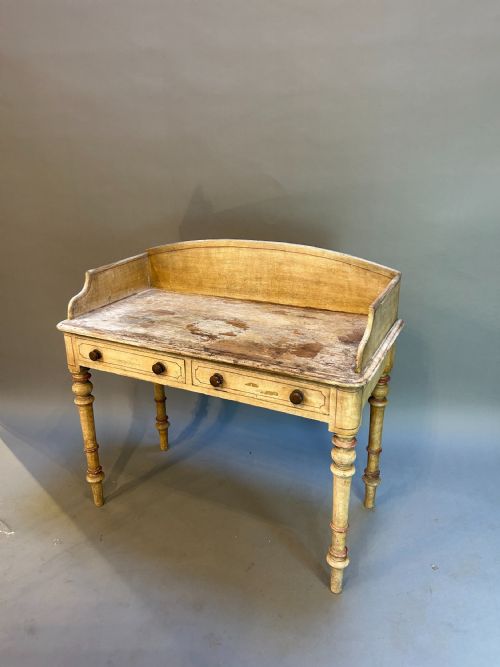
The selection on this page relies heavily on nineteenth-century pine cupboards and writing tables alongside eighteenth-century corner cupboards and commodes. Painted wood dominates the offerings, with items finished in muted cream tones that highlight decades of handling and age.
How they were made
Makers primarily utilised pine and hardwoods, applying layers of paint and sometimes gesso over the wooden surfaces. Construction techniques involve traditional joinery suited to the period, from Georgian chest building to rustic box settles.
Finishes were achieved through successive coats of paint that naturally wore over time, occasionally paired with carved wood details, brass hardware, or wrought iron elements as seen in garden seating.
The listings feature pieces spanning the 18th century through to 1920, utilising pine, painted wood, and brass.
What varies in quality
Quality rests in the integrity of the underlying timber and the authenticity of the painted surface rather than a uniform factory finish. Superior examples display original painted decoration that has aged naturally through consistent use rather than artificial distressing.
Proportion and execution set finer continental commodes and console tables apart from utilitarian country pine pieces. The handling of carved details, serpentine fronts, and structural soundness determine the standing of each item.
The Distressed Cream Furniture Glossary
- Commode
- A low chest of drawers or cabinet, often featuring a serpentine front in eighteenth-century pieces. These decorative storage units frequently display ornate painted finishes.
- Gustavian
- The Swedish interpretation of French neoclassical style, characterised by restrained carving and pale painted finishes. Stools, benches, and armchairs from this tradition are common.
- Gesso
- A plaster-like material applied to wood as a base for painting or gilding. It provides a smooth surface for detailed decorative work.
- Settle
- A wooden bench with high back and solid arms, often incorporating box storage beneath the seat. These practical pieces were staples of period domestic interiors.
- Serpentine
- A furniture front curving outward at the ends and inward in the centre. This undulating shape demands skilled carpentry and enhances visual movement.
Distressed Cream Furniture: Frequently Asked Questions
How do I clean distressed cream furniture?
Dust gently with a dry or slightly damp soft cloth to preserve the aged painted surface. Avoid harsh chemical cleaners that can strip away historic paint layers.
Keep pieces away from direct sunlight and excessive moisture to protect the underlying wood and prevent further flaking of the finish.
Are these pieces repainted or original?
Many listings feature original painted surfaces reflecting decades of wear, while others show later decorative painting in keeping with period styles. Examination of the paint layers and underlying timber reveals the history of the finish.
Distinguishing between original historic paint and later decorative work relies on observing natural crackle, wear patterns, and paint adhesion.
Where does this style originate?
The pieces span various European origins, including Sweden, France, Italy, and England. Each region developed distinct stylistic traits, from Swedish Gustavian restraint to Italian Neoclassical carved console tables.
Regional workshops adapted prevailing continental fashions using local timbers like pine and mahogany, creating the diverse inventory seen today.
How do I fit these into a modern home?
Distressed cream finishes work well as accent pieces, adding texture and neutral tones to contemporary or traditional rooms. Chests of drawers, bedside tables, and small consoles offer functional storage while introducing historic character.
Pairing painted wood with varied textures like linen or iron creates a balanced interior without overwhelming a space.