







Distressed Blue Hall Table
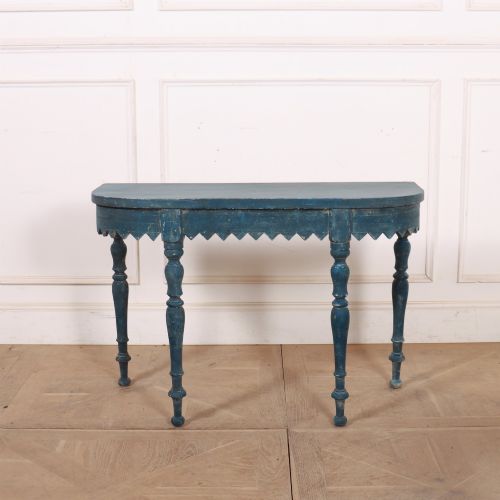
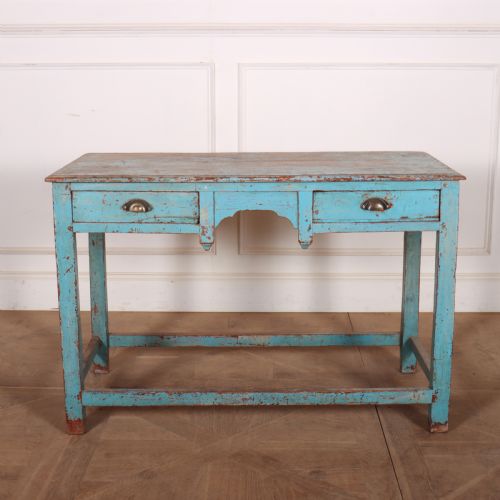
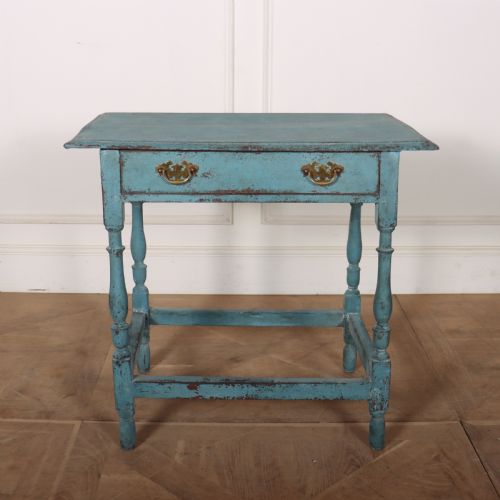
These distressed blue hall table pieces offer painted timber surfaces spanning the eighteenth century to the 1920s, bringing useful entryway charm to any home.
Distressed Blue Hall Table
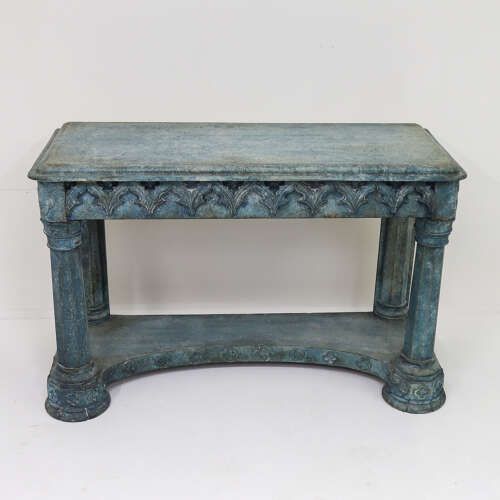
A distressed blue hall table brings painted wood surfaces into an entryway, drawing on console tables, side tables, and occasional tables from diverse periods. When searching for a distressed blue hall table, buyers encounter pieces ranging from eighteenth-century dresser bases to nineteenth-century Gothic consoles and washstands.
The selection includes English, French, Italian, Spanish, German, and Swedish pieces, reflecting various regional styles like English Country, French Provincial, and Rustic Farmhouse. These items often feature marble tops, brass fittings, or gesso details atop pine and other timber structures.
Dated examples span the eighteenth century, 1850, 1860, 1890, and the 1920s, showing how utilitarian furniture from earlier eras transitioned into decorative hall furniture. Each object provides a surface for an entryway, utilising painted finishes that show age and wear.
Materials and construction
Makers utilised painted wood, pine, and general timber as the primary structural materials for these tables, often applying paint over older surfaces. Brass hardware and marble tops appear on specific forms like washstands and console tables, adding contrasting textures to the wood.
Surface treatments involve layered paint and gesso, which age over time to create the distressed appearance valued in these pieces. Construction methods range from eighteenth-century dresser base joinery to nineteenth-century console framing.
Distressed Blue Hall Table Retail Price Guide 2026
Typical asking prices for distressed blue hall table among the pieces listed under this phrase on Sellingantiques today, from the lower quarter to the upper quarter. They describe what is for sale here now, not the wider market.
Some nineteenth-century washstands now hold car keys instead of washbasins.
Evaluating craftsmanship and condition
Quality in these painted pieces rests upon the integrity of the underlying timber and the character of the aged surface finish. Tables retaining original structural elements alongside authentic historical paint show superior integrity compared to later modifications.
The sophistication of regional styles, such as Gothic Revival detailing or Neoclassical Revival proportions, distinguishes finer console and centre tables from simpler rustic forms. Marble tops and brass elements further elevate the execution of specific washstands and tables.
The Distressed Blue Hall Table Glossary
- Console table
- A table designed to be fixed against a wall, often featuring decorative legs and a marble or wooden top. These pieces serve prominent roles in hallways and reception rooms.
- Dresser base
- The lower section of a traditional kitchen or dining dresser, typically fitted with drawers and cupboards. They provide substantial storage and surface space in domestic settings.
- Gueridon
- A small French table supported by one or more columns, frequently used as a plant stand or occasional table. Originating in the seventeenth century, they often feature circular marble tops.
- Washstand
- A piece of furniture designed to hold a basin and pitcher for washing, commonly constructed from pine and equipped with a marble top. Many survive from the nineteenth century.
- Gesso
- A plaster-like material applied to wood as a base for painting or gilding. It provides a smooth surface that cracks and ages distinctively over decades.
Distressed Blue Hall Table: Frequently Asked Questions
What is a console table?
A console table is designed to stand against a wall, making it a practical choice for narrow hallways and entryways where floor space is limited.
Historically used for display, these tables often feature decorative legs and surfaces made from wood or marble.
How do I use a hall table?
A hall table provides a convenient surface in an entryway for placing keys, mail, and decorative items like lamps.
Depending on the height and design, such tables also offer drawer storage for small household essentials.
What periods do these tables come from?
The available tables span from the eighteenth century through the nineteenth century, including specific dates like 1850, 1860, 1890, and the 1920s.
Earlier examples often originate as dresser bases, while later pieces include Victorian washstands and various European console designs.
What materials were used?
Makers constructed these pieces primarily using wood, pine, and general timber, frequently finished with paint and gesso.
Selected items incorporate marble tops and brass details to enhance their decorative appeal.