


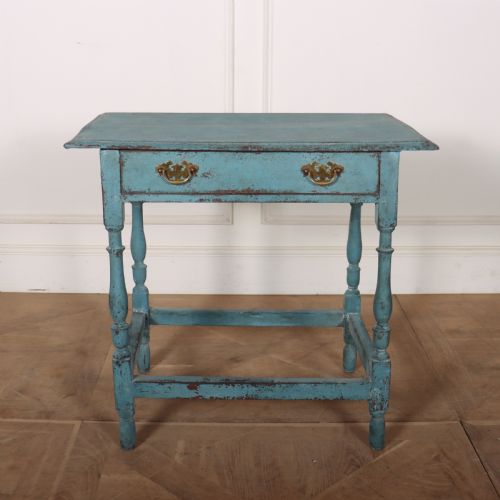


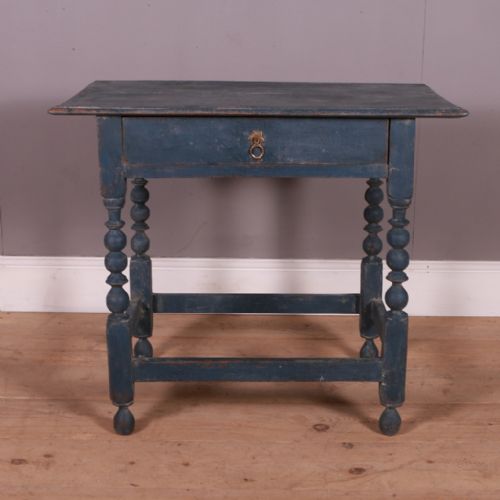

Blue Wooden Occasional Table
These blue wooden occasional table examples offer practical surfaces for lamps and drinks, combining muted painted finishes with sturdy timber construction.
Blue Wooden Occasional Table
A blue wooden occasional table appears across several distinct regional styles, ranging from English country pieces to French provincial and Swedish country designs. These tables serve as versatile side, lamp, or wine tables within domestic spaces.
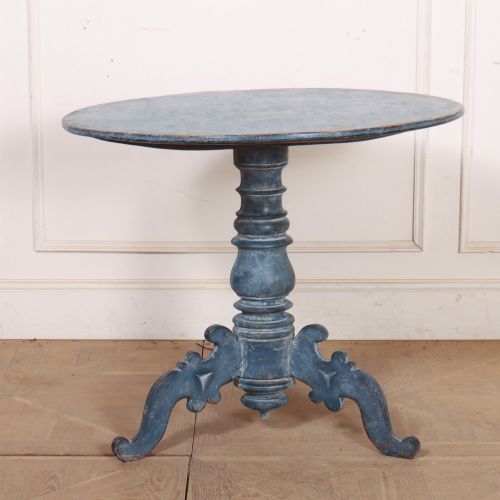
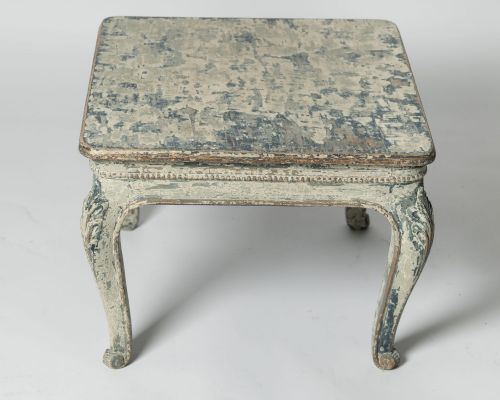
The version most commonly encountered on this page is the Swedish painted lamp table or side table, often originating from the nineteenth or eighteenth century. Such pieces typically feature painted timber or pine surfaces rendered in shades of blue.
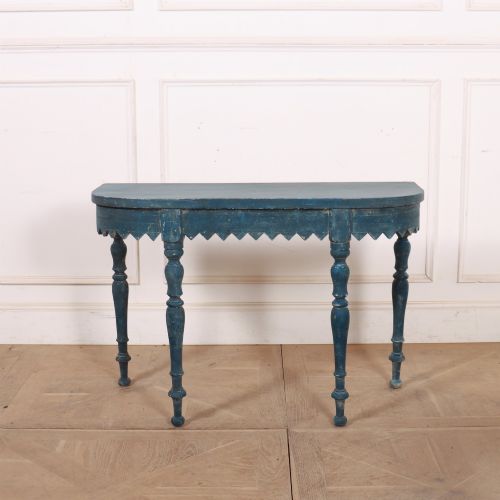
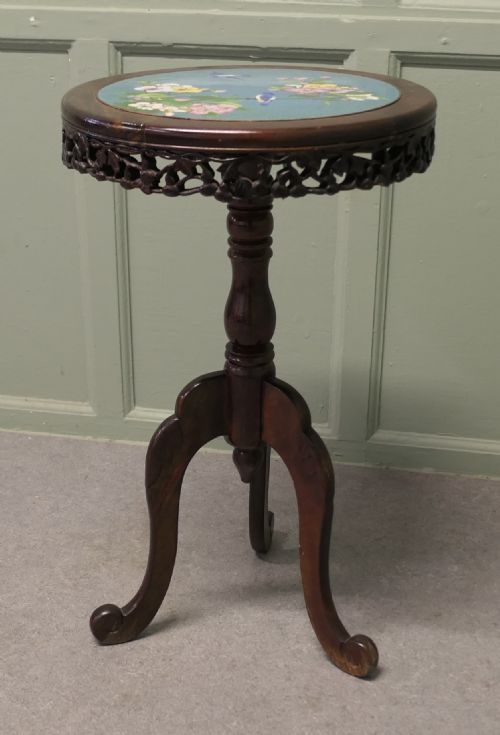
Makers and designers also produced variations incorporating Chinoiserie decoration, drop leaf mechanisms, or bow end console forms. Each style brings a distinct decorative quality to the room while fulfilling a straightforward functional role.
Materials and construction methods
Carpenters constructed these tables primarily using timber, pine, and hardwood, providing a solid foundation for daily use. Pine forms the core of many country pieces, while other examples utilise heavier hardwoods.
Surfaces received layers of paint, often applied in muted blue tones that aged gracefully over the centuries. Decorative elements occasionally include brass hardware or detailed cloisonne enamel work.
Joinery techniques matched the period of production, from simple trestle supports and spider legs to the refined turning seen in Regency and Georgian examples.
Some tables double as tiny avians' domains, sporting hand-painted birds and flowers on their tops.
Assessing quality and craftsmanship
The distinction between ordinary and superior pieces rests on the integrity of the timber and the depth of the painted surface. Hand-applied paint finishes that show genuine age and patination elevate a table above later, uniform coats.
Structural stability and the subtlety of decorative details, such as hand-painted Chinoiserie motifs or finely turned legs, separate standard utility items from finer country house or provincial furniture.
The Blue Wooden Occasional Table Glossary
- Lamp table
- A small table designed specifically to hold a lighting fixture beside a chair or sofa. These surfaces prioritise a compact footprint and stable height.
- Drop leaf table
- A table with hinged sections on the sides that fold down to save space when not in use. This mechanism allows the surface area to expand quickly.
- Chinoiserie
- European artistic styles reflecting Chinese motifs and decorative techniques, popular during the eighteenth and early twentieth centuries. These designs often feature birds, flowers, and landscapes.
- Regency
- An English design period spanning the early nineteenth century characterised by classical restraint and elegance. Furniture from this era often shows strong classical influences.
Blue Wooden Occasional Table: Frequently Asked Questions
Where should I place a blue wooden occasional table?
These tables fit well beside armchairs, sofas, or in hallways where surface space is needed without cluttering the room. Their compact dimensions make them suitable for corners or narrow wall spaces.
Because they combine a painted finish with wooden construction, they add a subtle splash of colour while remaining practical for daily placement of lamps or drinks.
How do I care for a painted wooden surface?
Dust the surface regularly with a soft, dry cloth to prevent dirt accumulation on the paintwork. Avoid using harsh chemical cleaners or excess water.
Keep the timber away from direct heat sources and strong sunlight to protect the painted finish from fading or cracking over time.
What is a drop leaf table used for?
Drop leaf tables provide flexible surface area in smaller rooms by allowing the sides to fold down when extra space is required. They serve well as occasional tables that adapt to changing room layouts.
The hinged leaves make them easy to tuck against a wall when fully closed.
How do I identify a Swedish country table?
Swedish country tables typically feature light pine or timber construction finished in pale or muted painted coats, often blue or grey. Their forms lean towards functional simplicity with restrained decorative carving.
These pieces reflect the bright, clean interiors characteristic of Scandinavian domestic design during the eighteenth and nineteenth centuries.