




Distressed Runner
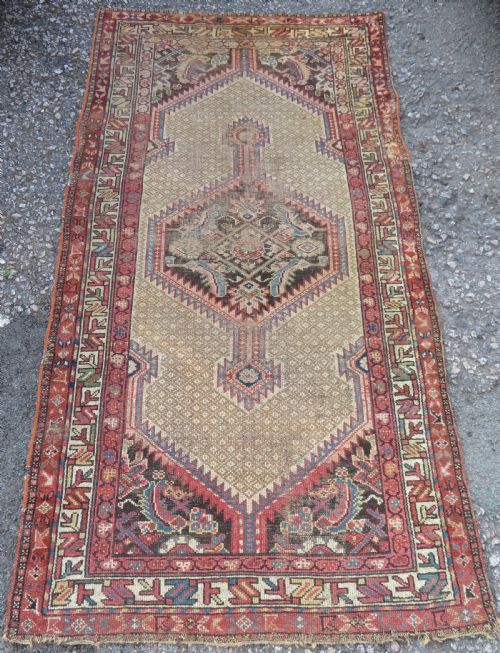
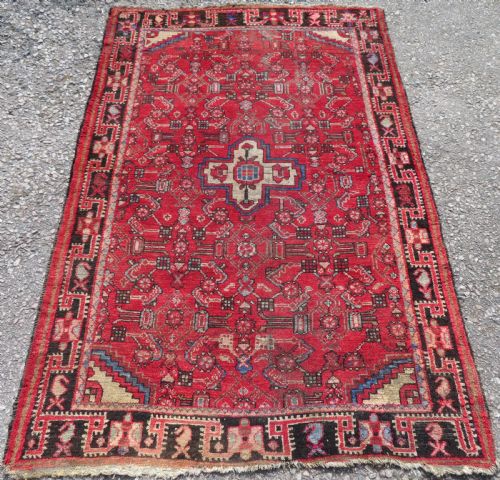
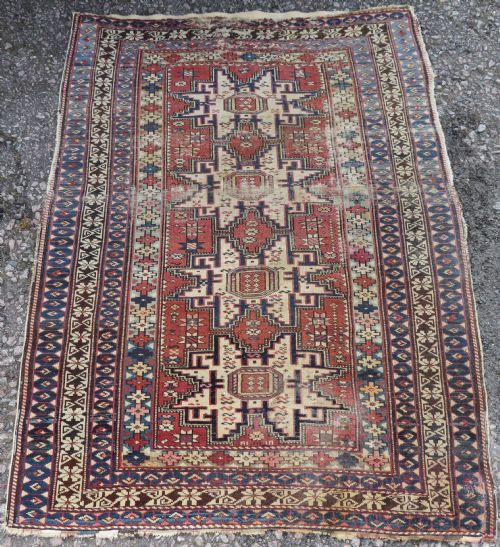
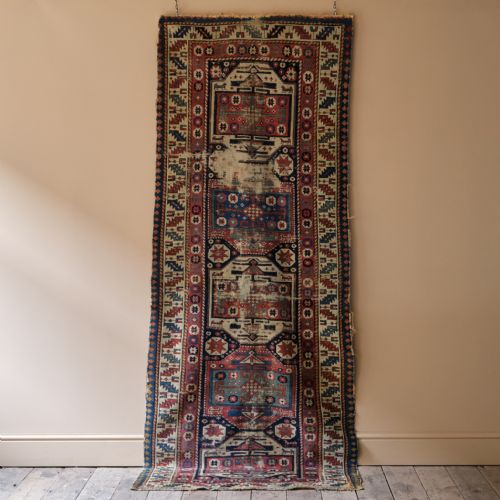
These distressed antique runner pieces offer worn tribal character and time-softened wool for long narrow spaces.
Distressed Runner
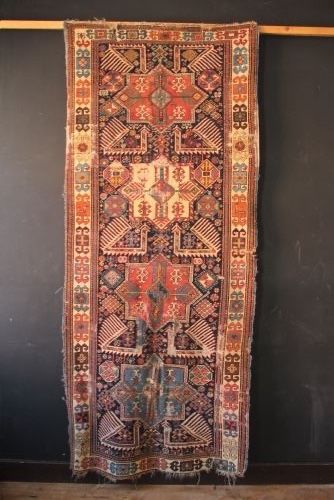
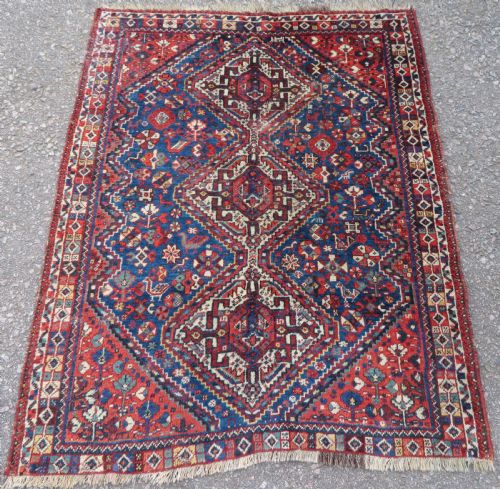
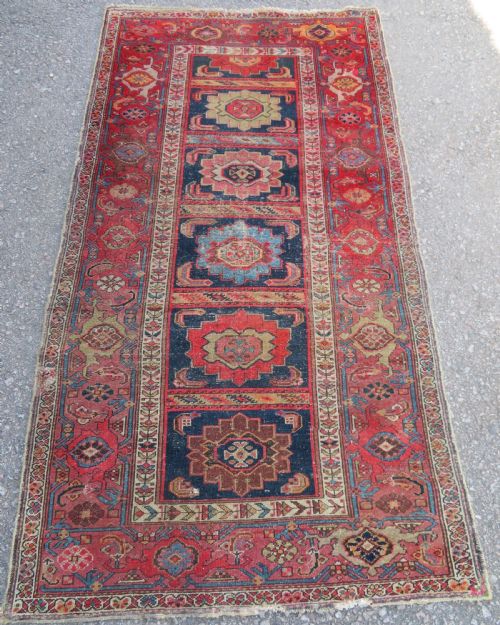
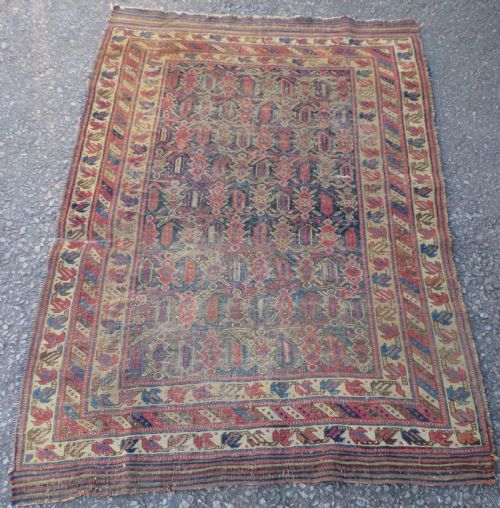
A distressed antique runner brings a narrow, elongated format into a hallway or corridor, shaped by decades or centuries of foot traffic. You find long rug runners originating from Persian, Anatolian, and Caucasian traditions, spanning the late nineteenth century through to the early twentieth century. These textiles carry traditional tribal designs and regional patterns born from nomadic and village workshops.
The prevalent form on this page combines a low, worn pile with muted vegetable dyes, presenting an aesthetic of faded grandeur. Pieces range from specific regional weaves such as Sarab, Afshar, and Hamadan to broader Caucasian and Turkish long rug types. Each rug shows the specific signs of age that define a genuine distressed antique runner.
Makers in these regions utilised local imagery, geometric medallions, and repeated field motifs passed down through generations of weavers. The resulting floor coverings suit modern and traditional interiors alike, offering authentic texture where brand new carpets fall flat.
How they were made
Weavers constructed these runners using hand-spun wool and cotton foundations, often incorporating camel hair for natural brown tones. Artisans knotted the pile by hand onto warp and weft threads before washing the completed textiles to soften the handle.
Natural dye stuffs provided the palette, yielding rich tones that mellowed gracefully as the wool wore down over generations of use. The density of the knotting and the quality of the spinning dictated how the pile weathered in high-traffic corridors.
Distressed Runner Retail Price Guide 2026
Typical asking prices for distressed runner among the pieces listed under this phrase on Sellingantiques today, from the lower quarter to the upper quarter. They describe what is for sale here now, not the wider market.
Current listings feature runners from the late nineteenth and early twentieth centuries, spanning Persian, Caucasian, and Anatolian traditions.
What varies in quality
Quality in these runners rests on the integrity of the foundation and the fineness of the original wool knotting. A superior piece retains structural soundness despite surface wear, whereas lesser examples suffer from brittle cotton warps or heavy previous repairs.
The visual harmony of the fading also separates standard examples from exceptional ones. Even when the pile is low, superior dyes retain depth and variation rather than fading into a flat, chalky monochrome.
Sarab Tribal Weavers·Afshar Tribal Weavers·Daghestan Village Weavers·Konya Reyhanli Weavers
The Distressed Runner Glossary
- Pile
- The vertical or diagonal loops of yarn that form the usable surface of a rug. In these older pieces, the pile is often worn down to the knots.
- Warp
- The stationary longitudinal threads stretched across the loom upon which the knots are tied. Cotton and wool are the common materials for this structural grid.
- Weft
- The transverse threads passed horizontally between the warp threads to hold the rows of knots in place. This element gives the runner its rigidity along the width.
- Kilim
- A flat-woven carpet or rug made without a pile, produced by tightly interweaving warp and weft strands. These are represented among the Turkish long rugs listed here.
- Medallion
- A large central ornamental motif set within the field of the rug. Regional weavers often arranged geometric or floral versions of these shapes.
Distressed Runner: Frequently Asked Questions
How do I clean a worn runner?
Gentle surface brushing and professional specialist rug washing preserve the fragile, low pile of old textiles. Avoid aggressive chemical treatments that weaken the historical wool fibres.
Regular light vacuuming without a rotating beater bar prevents dust accumulation in the old cotton foundations without pulling loose knots.
Will these runners slip on wood floors?
A breathable, high-friction underlay prevents movement and cushions the thin, settled wool against hard floorboards. This addition protects the aged warp threads from snapping under sudden pressure.
Sizing the underlay slightly smaller than the runner keeps it hidden while maintaining stability in busy hallways.
How do I date a tribal runner?
Dating relies on structural clues, wool characteristics, and traditional regional palette choices recorded across nineteenth and early twentieth century examples. Natural dye variations and hand-spun textures offer further guidance on age.
Comparing knot styles and tribal motifs against documented pieces helps narrow down the decade of production.
Are these rugs suitable for heavy hallways?
Many of these pieces survived a century or more precisely because sturdy wool and camel hair withstand corridor traffic. Their low, distressed pile adapts well to areas where doors need clearance.
Placing a quality pad underneath distributes foot weight evenly across the worn foundation to ensure continued longevity.