

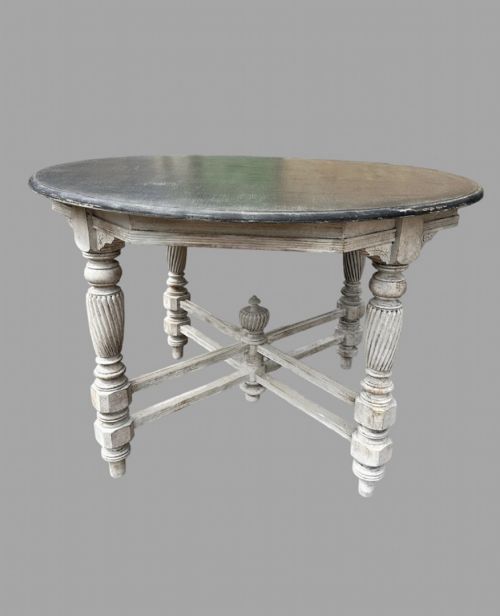
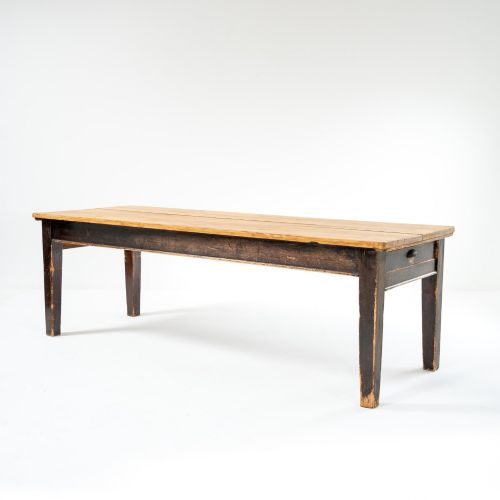
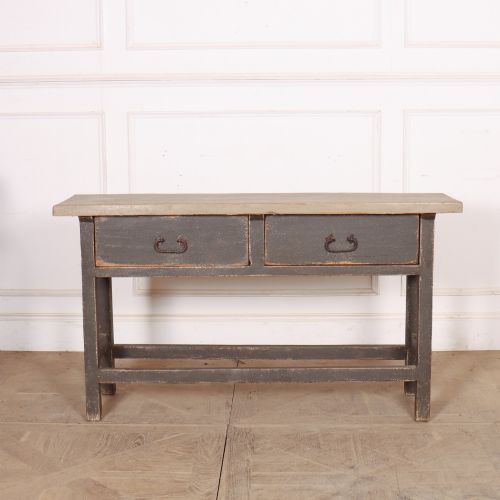
Distress Painted Table
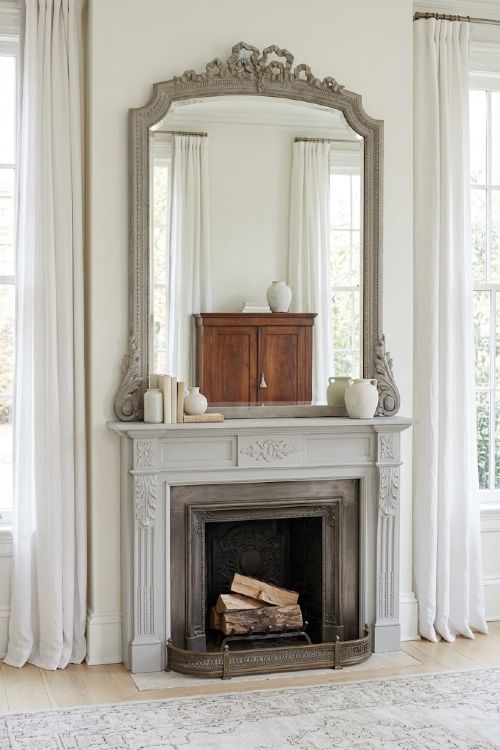
A distress painted table brings tactile character to a room through weathered surfaces and heritage proportions.
Distress Painted Table
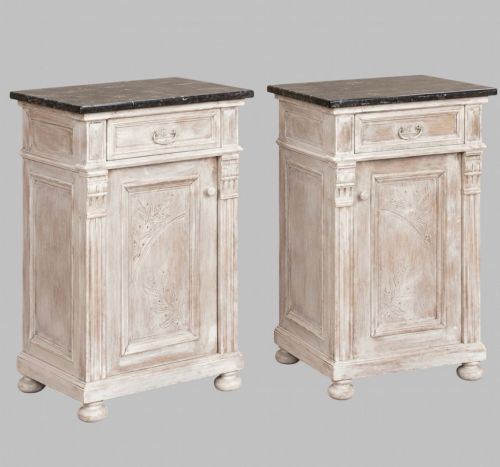
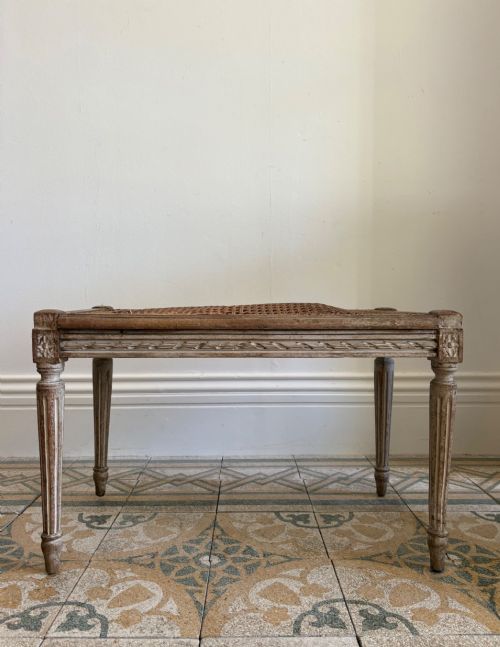
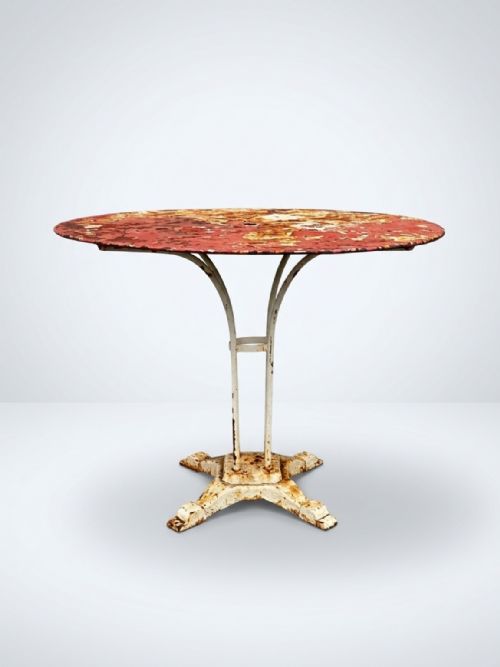
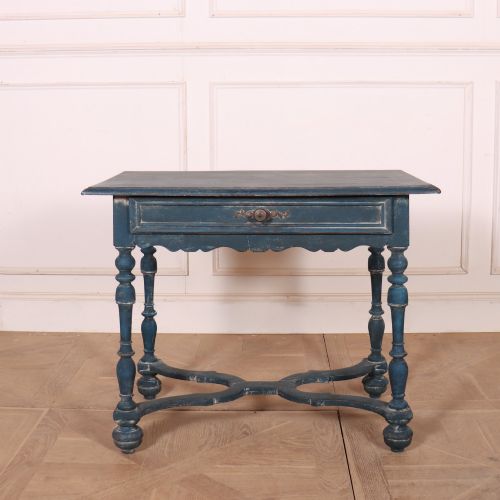
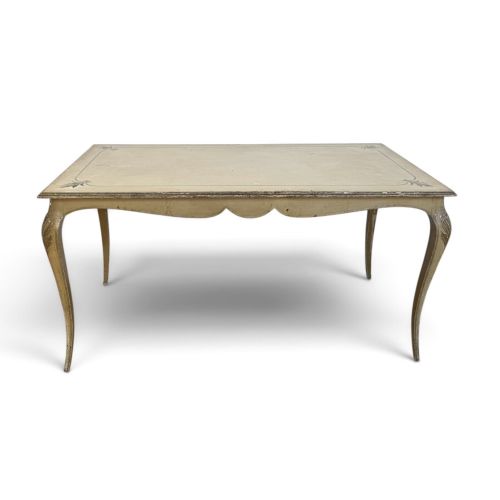
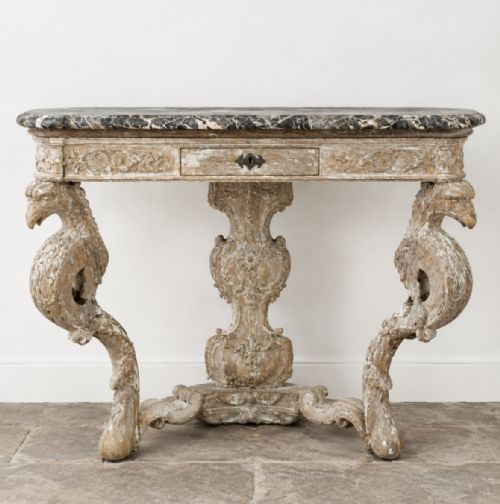
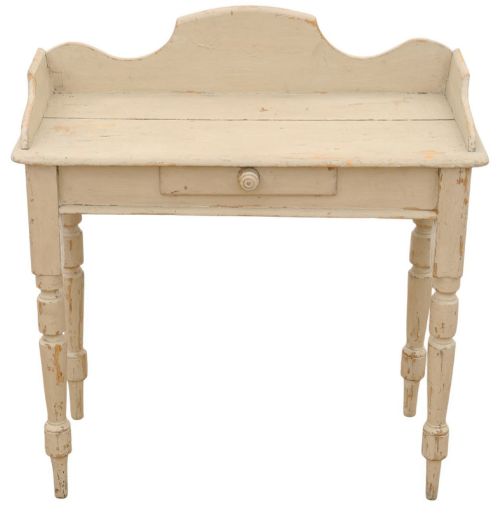
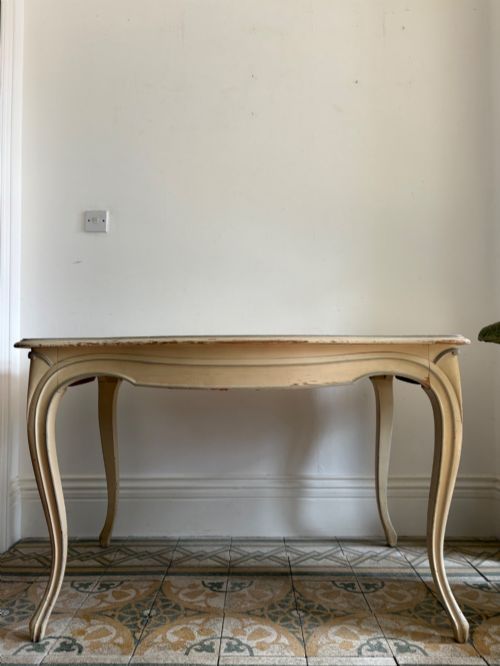
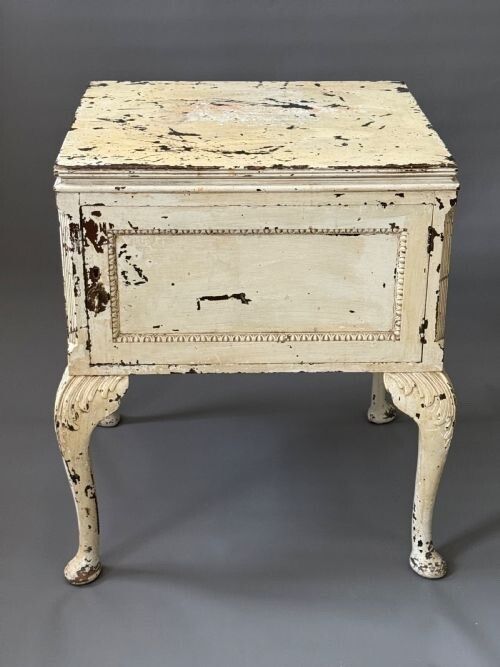
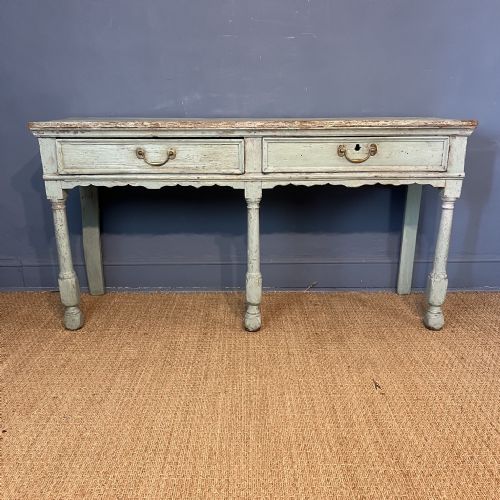
When you search for a distress painted table, you are looking at items that show age through worn pigments and patinated timber. The most common examples on this page are console tables, side tables, and bedside cabinets drawn from nineteenth and early twentieth century traditions.
These pieces cross several regional styles, spanning English country, French provincial, and Swedish country aesthetics. They range from compact lamp tables to large dining and harvest tables.
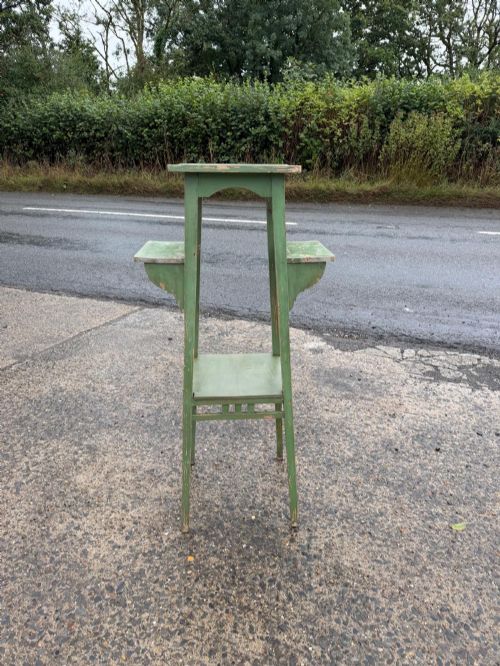
The form often follows utilitarian origins, such as servers, desks, and plant stands, adapted over decades through successive layers of paint.
Materials and construction
Construction relies primarily on sturdy timbers such as pine, oak, elm, and fruitwood, joined using traditional cabinet-making methods. Carpenters shaped these woods into console bases, drop-leaf frames, and cabinet carcases.
Surfaces were finished with applied paint layers, sometimes over original wood or older priming coats. Over time, use and friction created the characteristic worn texture that defines the distress painted table.
Listings feature pine, oak, fruitwood, and elm across nineteenth and eighteenth century periods.
Distinguishing quality
Quality rests in the integrity of the underlying timber frame and the authenticity of the surface accumulation. Tables retaining early or original paint layers demonstrate greater historical value than modern recreations.
Proportion and structural soundness distinguish better examples. A well-proportioned console or side table with balanced legs and intact joinery commands attention regardless of surface wear.
The Distress Painted Table Glossary
- Console table
- A table designed to stand against a wall, frequently supported by brackets or cabriole legs. These pieces often feature decorative painted surfaces.
- Pine
- A soft timber widely used in country furniture and painted carcases. It accepts layers of paint readily and shows characteristic denting over time.
- Cabriole leg
- A furniture leg that curves out and then in, resembling an animal's leg. This shape appears frequently on French and English provincial tables.
- Drop-leaf table
- A table with a fixed central section and hinged flaps that fold down. This mechanism allowed tables to save space when not in use.
Distress Painted Table: Frequently Asked Questions
Where should I place a distress painted table?
These tables suit hallways, living rooms, and bedrooms where their weathered finish adds texture against plain walls. Console and side variants fit narrow spaces effectively.
Larger harvest or dining formats anchor a kitchen or dining space as central functional surfaces.
How do I care for a painted antique surface?
Dust the surface regularly with a dry cloth and avoid harsh chemical cleaners that can strip aged paint. Keep the timber away from direct heat sources to prevent warping.
Wax can be applied sparingly to protect vulnerable areas where the wood underneath is exposed.
How can I tell original paint from modern work?
Original finishes show natural craquelure, fading, and wear patterns consistent with age and use. Multiple underlying layers often emerge through friction points.
Modern artificial distressing often appears uniform and lacks the depth of accumulated decades.
What regional styles are available?
The selection includes English country, French provincial, and Swedish country pieces. Each region utilises distinct structural proportions and colour palettes.
Swedish and French examples frequently feature lighter cream or green tones, while English pieces often display darker pine and hardwood bases.