


Display Case with Stand
These display case with stand pieces offer a practical and refined way to elevate collections, uniting glass cabinets and supportive tables into single statement furniture items.
Display Case with Stand
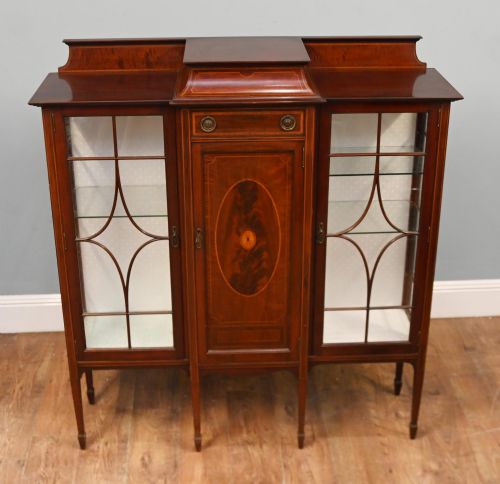
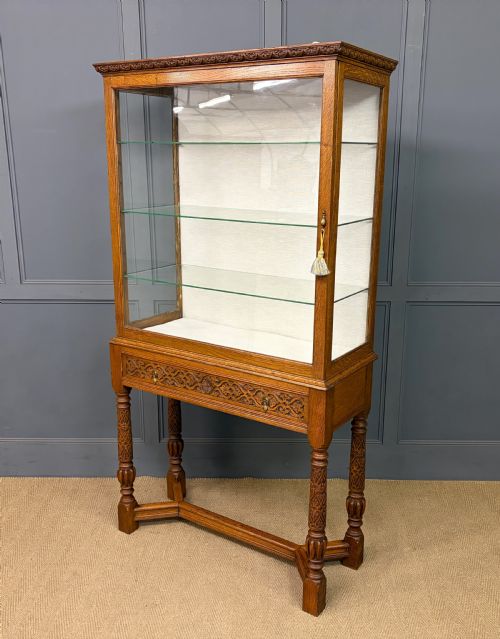
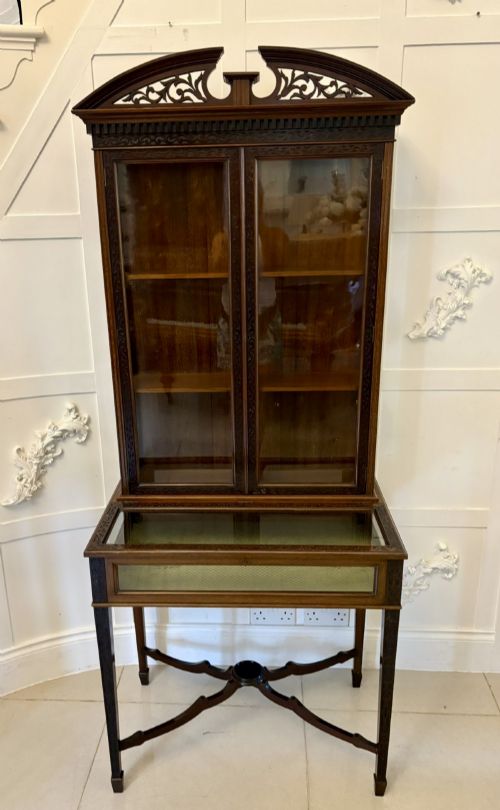
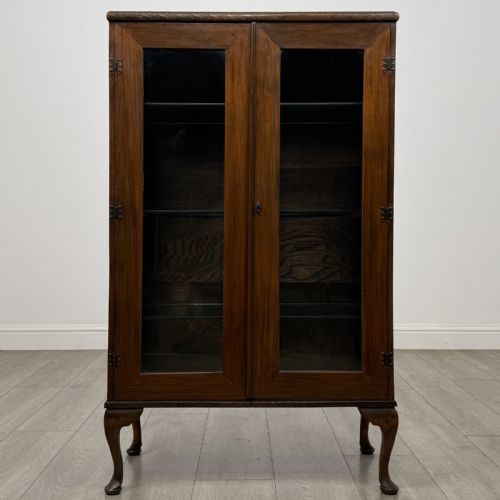
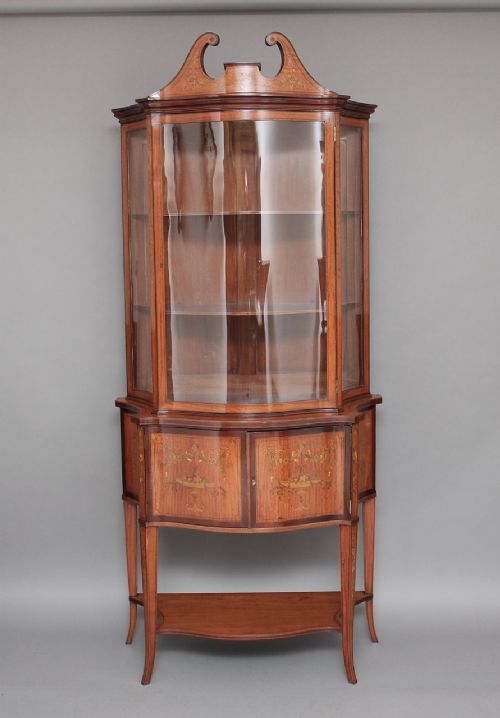
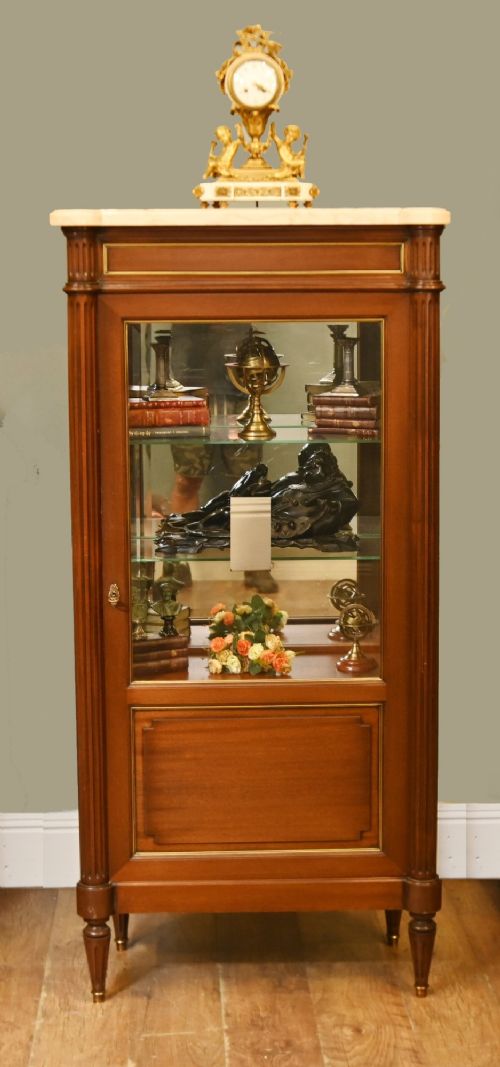
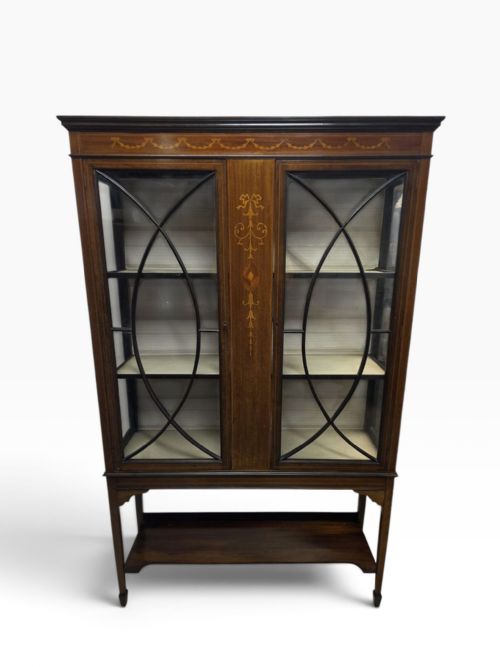
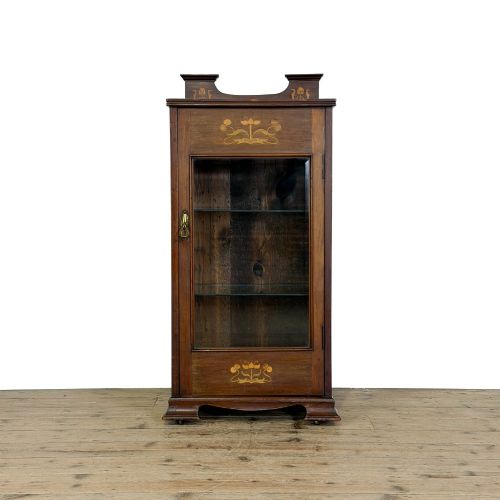
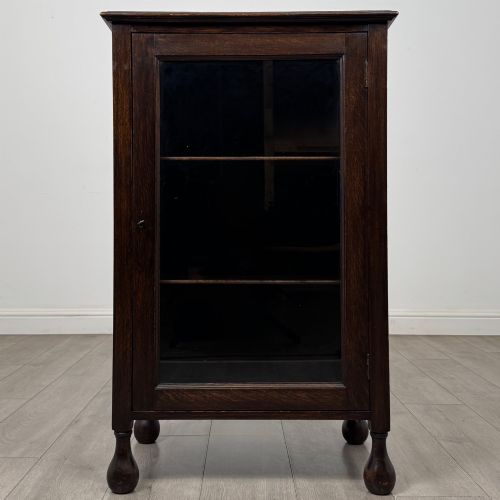
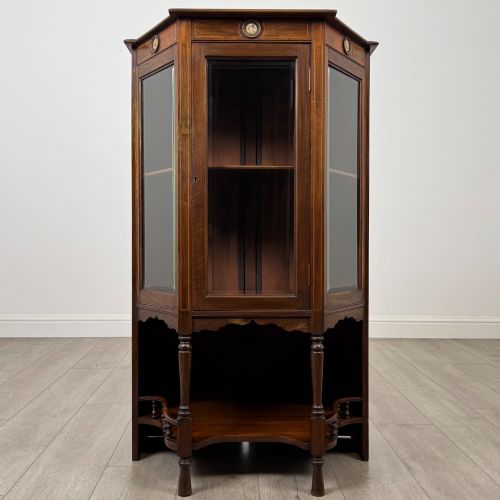
A display case with stand brings together glass-fronted storage and elevated platforms, providing a clear view of objects from multiple angles while lifting them off the floor. The examples gathered here span the Victorian, Edwardian, and Art Deco eras, alongside nineteenth-century and early twentieth-century interpretations.
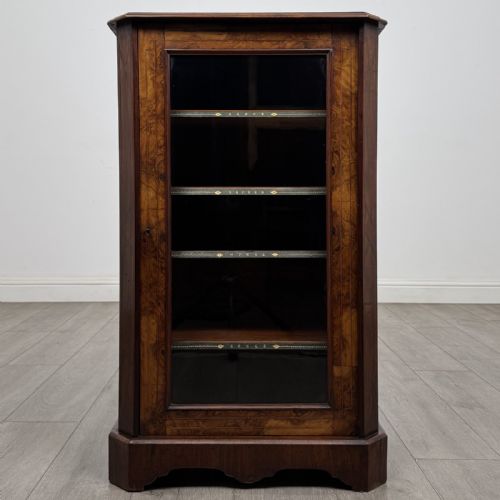
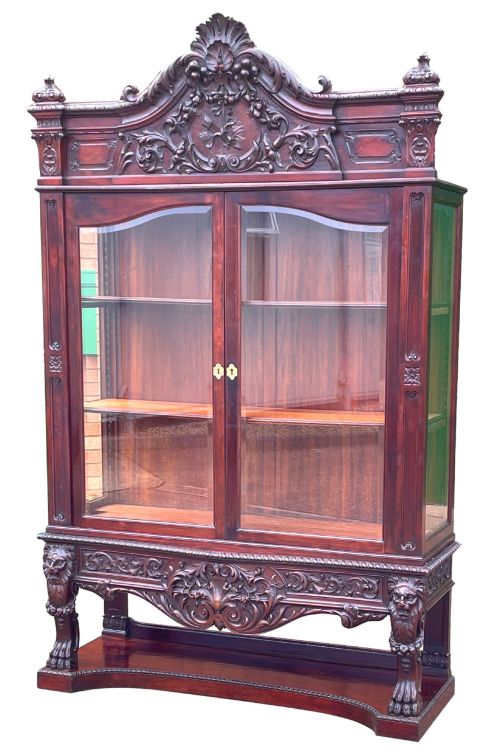
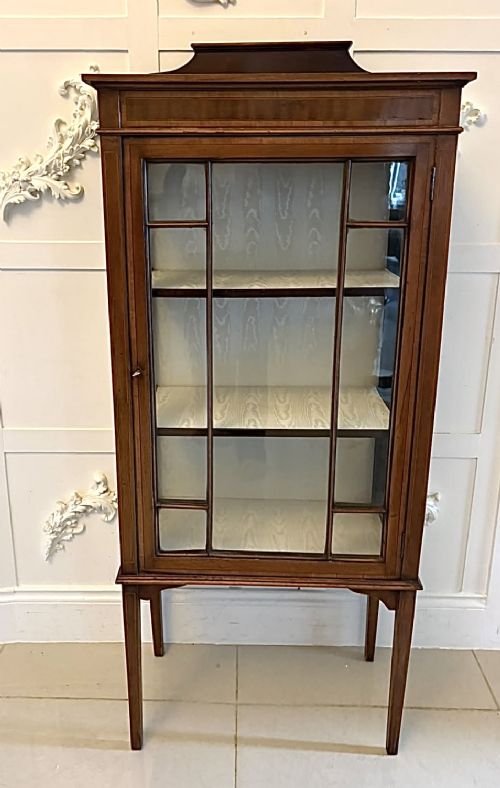
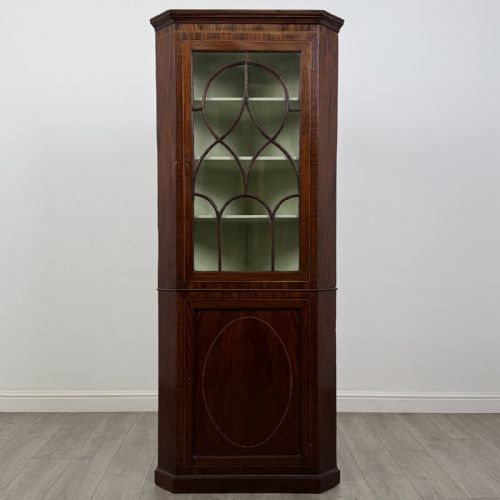
The forms on this page include floor bookcases, freestanding corner cupboards, and side cabinets, alongside glazed cabinets explicitly paired with stands. Materials such as mahogany, walnut, and giltwood dominate the construction, often enhanced by boxwood inlay or silk linings.
Buyers encounter diverse stylistic influences, ranging from French Rococo and Chippendale Revival to Dutch Baroque and George III styling. These pieces functioned historically as china cabinets or specialised repositories for precious decorative objects and books.
Materials and construction
Makers utilised timber frames of mahogany, walnut, and oak to provide structural integrity for these cabinets. Burr walnut veneers and fine boxwood stringing frequently decorated the exterior surfaces of the better examples.
Glazing forms a central component, with glass panels fitted into doors and sides to enclose the interior space. Giltwood accents, hand-carved mouldings, and brass hardware complete the construction details recorded across the pieces.
Display Case with Stand Retail Price Guide 2026
Typical asking prices for display case with stand among the pieces listed under this phrase on Sellingantiques today, from the lower quarter to the upper quarter. They describe what is for sale here now, not the wider market.
Judging quality and execution
The standard of timber selection and veneer matching defines the visual weight of each cabinet. Rich colour and deep patina in the wood surface indicate careful historical treatment and superior initial material choice.
Refinement in carving, precision in the inlay work, and the integration of glazing bars distinguish simpler utility furniture from more ambitious decorative pieces.
The Display Case with Stand Glossary
- Display Cabinet
- A piece of furniture enclosed with glass panels designed for showing porcelain, curiosities, or books. They protect delicate objects from dust while maintaining maximum visibility.
- Inlay
- A decorative technique where contrasting materials such as boxwood are fitted into recesses within the primary wood surface. This creates geometric or floral patterns across the cabinet front.
- Patina
- The surface sheen and softening of tone that develops on wood over decades of handling and exposure to light. A desirable patina reflects the age and history of the piece.
- Glazed
- Fitted with transparent glass panes rather than solid wooden panels. This allows light to enter the interior display chamber.
- Canted
- Bevelled or angled corners, frequently used on the sides of cabinets to soften the rectangular profile and direct light inward.
Display Case with Stand: Frequently Asked Questions
What were display cases with stands used for?
These cabinets housed valuable china, glassware, and small decorative collections within domestic rooms. They kept delicate items protected from dust while allowing guests to view them easily.
Over time, they evolved from purely utilitarian storage into prominent drawing room furniture designed to display a household's refined tastes and acquired treasures.
How do I distinguish Edwardian pieces from Victorian ones?
Victorian cabinets often display heavier proportions, darker walnut or mahogany timbers, and more robust carving traditions. They tend toward dense ornamentation and substantial structural weight.
Edwardian pieces generally favour lighter visual lines, brighter mahogany surfaces, and delicate boxwood inlay inspired by earlier neoclassical revivals.
Where should I place a freestanding corner cabinet?
Corner cabinets make efficient use of unutilised room angles, drawing the eye naturally into structural junctions that might otherwise remain empty. They work well in dining rooms or studies to anchor open wall space.
Ensure the door swing has adequate clearance and that the glass panels receive balanced indirect light to showcase the interior contents.
What is burr walnut?
Burr walnut is a specialised timber veneer harvested from growth excrescences on walnut trees. It yields complex, swirling grain patterns full of natural movement and depth.
Cabinet makers utilised these highly figured sections on primary focal areas such as doors and drawer fronts to create striking decorative effects.