
Diamond Statement Dress Ring
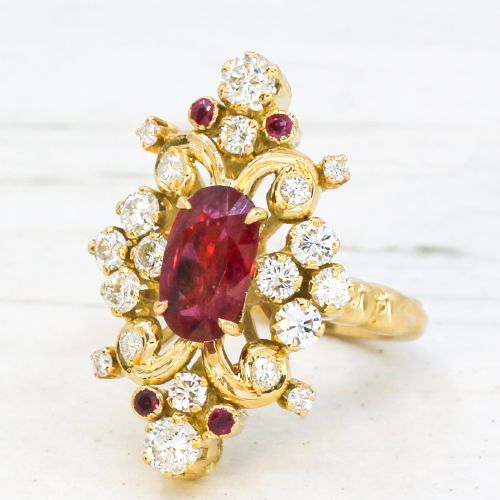
A diamond statement dress ring commands attention on the hand through generous central gems and sculptural precious metalwork.
Diamond Statement Dress Ring
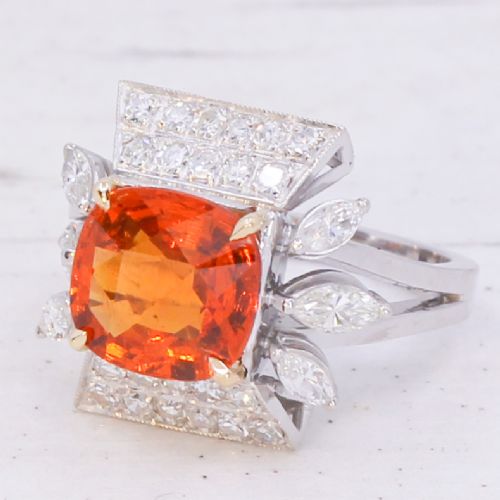
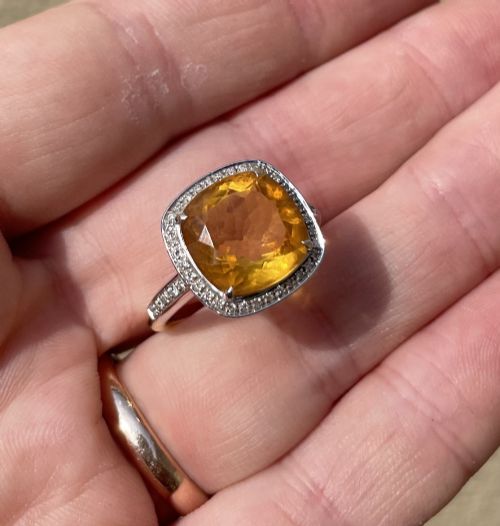
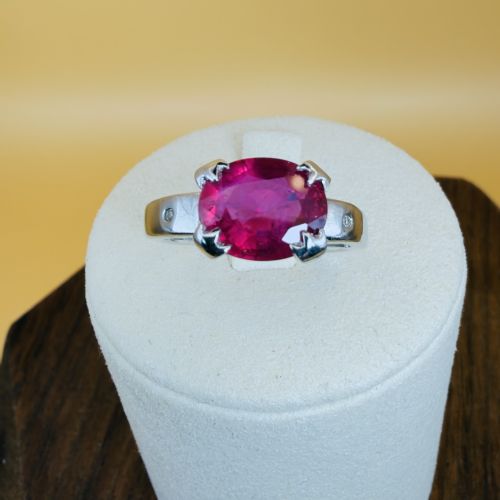
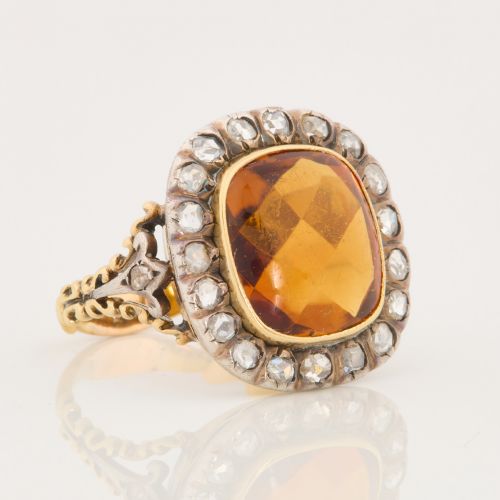
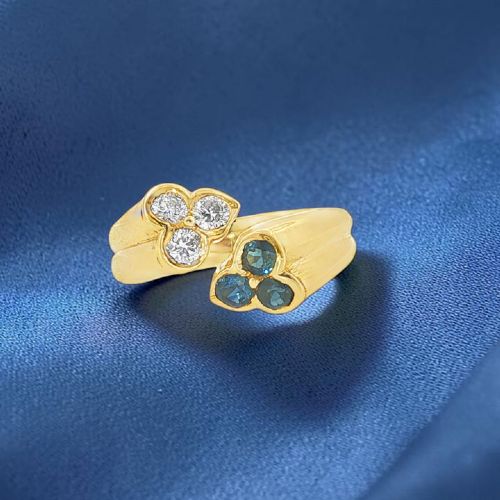
A diamond statement dress ring combines substantial precious metals with prominent diamonds and coloured gemstones to create an assertive visual presence on the hand.
The selections available range from geometric Art Deco platinum designs and fluid 1940s retro pieces to sculptural 1960s and 1970s modernist cocktail rings.
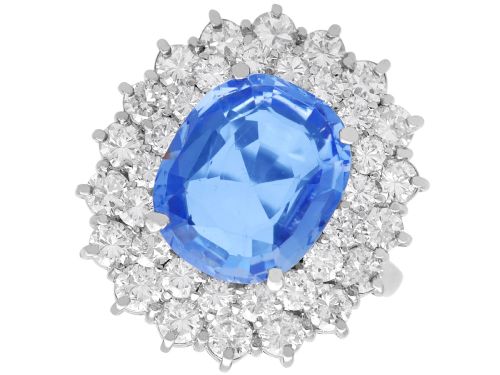
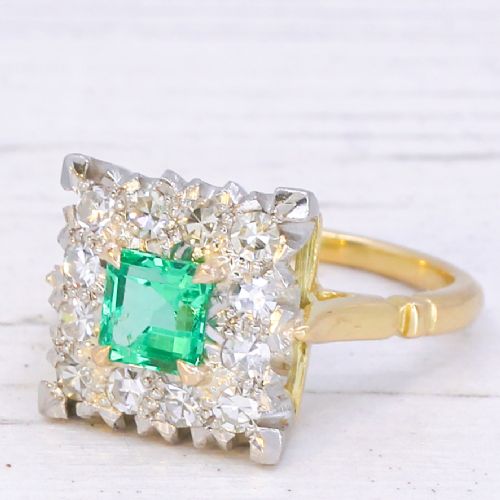
Central stones often include large aquamarines, sapphires, rubies, emeralds and opals, framed by brilliant or old-cut diamonds in cluster and cocktail formats.
Materials and construction methods
Jewellers utilised platinum, 18ct yellow gold, 18ct white gold and occasionally 9ct gold to build robust mountings capable of supporting heavy multi-gem settings.
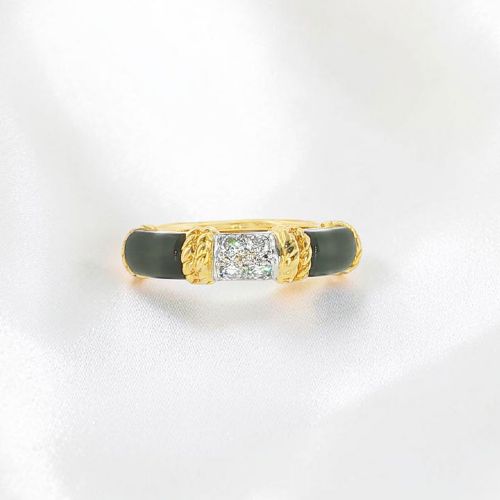
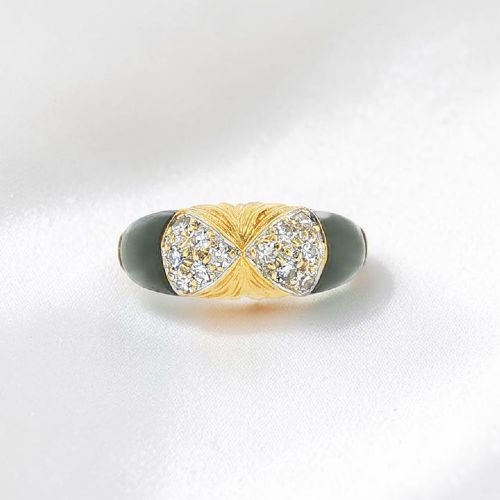
Stones are secured through meticulous claw settings, channel work and flush mounting, frequently accented with black onyx, enamel or intricate pierced metal lattices.
Listings span periods from Victorian and Edwardian eras through Art Deco, 1940s Retro, and 1970s Modernist designs.
Assessing quality in statement rings
Quality rests upon the harmony between the central gemstone's natural saturation and the precision of the surrounding diamond work.
Superior examples demonstrate substantial weight in the gold or platinum shank, ensuring the heavy head balances securely without twisting on the finger.
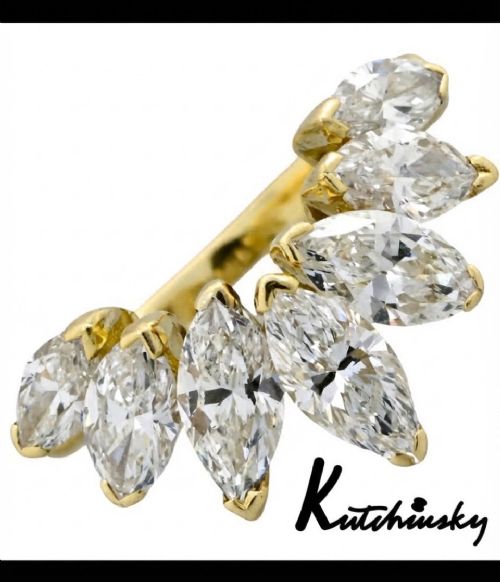
Kutchinsky
The Diamond Statement Dress Ring Glossary
- Cocktail Ring
- A large, prominent ring designed to be noticed, frequently featuring a substantial central gemstone surrounded by smaller diamonds.
- Old Cut
- A historic diamond-cutting style characterised by a smaller table, higher crown and open culet, typical of pieces made before the mid-twentieth century.
- Cluster Ring
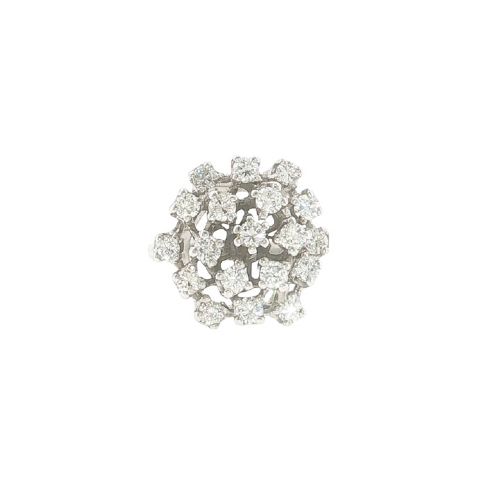
- A design where a central stone is entirely encircled by a ring of smaller accent stones, most commonly diamonds.
- Platinum
- A dense, durable white metal prized in jewellery for its strength, allowing for delicate yet secure claw and bezel settings.
- Modernist
- A mid-century design movement favouring abstract, sculptural forms and asymmetric arrangements over traditional symmetry.
Diamond Statement Dress Ring: Frequently Asked Questions
What defines a statement dress ring?
A statement dress ring is characterised by its larger scale and bolder design compared to everyday bands. These pieces are built to stand out on the hand through the use of oversized gemstones and distinctive mounting styles.
They serve as focal points of an outfit, drawing the eye with contrasting colours and significant precious metalwork.
How do I wear a cocktail ring daily?
Wearing a cocktail ring requires some mindfulness regarding hand movements due to the height and weight of the central stones. Many owners reserve them for evening wear or special occasions to protect the settings from heavy impacts.
Pairing them with simpler attire allows the ring to remain the undisputed focal point of your look.
How can I tell an Art Deco ring apart from a 1970s ring?
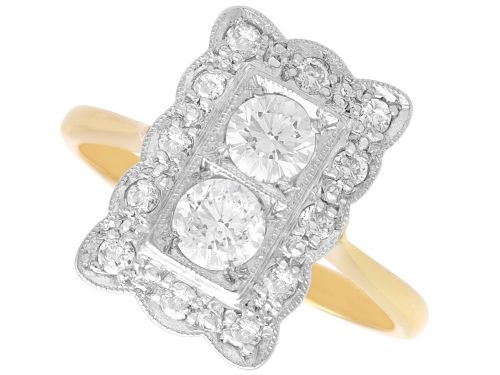
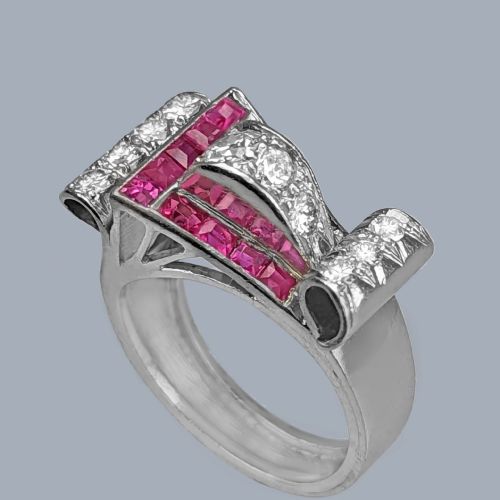
Art Deco rings from the 1920s and 1930s typically feature strict geometric symmetry, millegrain edges, and platinum settings often contrasted with black onyx or calibre-cut rubies and emeralds. They lean towards architectural lines and flat-topped profiles.
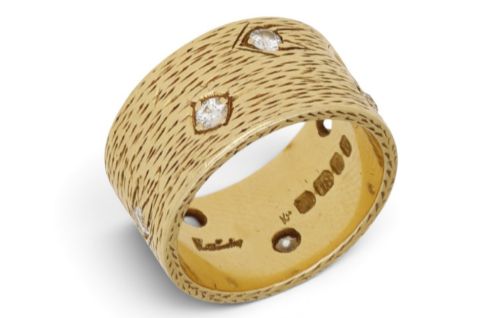
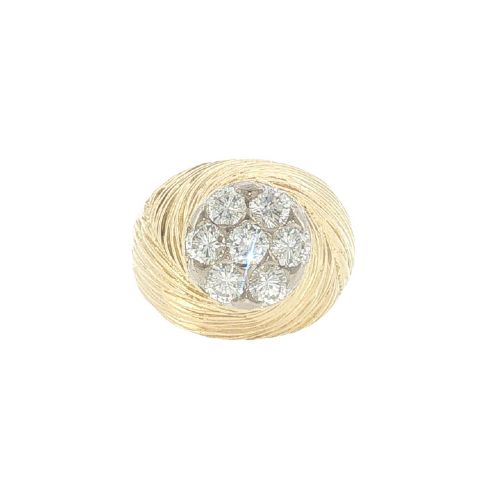
In contrast, 1970s modernist rings embrace heavy yellow gold, organic textures, asymmetrical lattice work, and bulky volumetric shapes that reflect the era's avant-garde sculpture.
What gemstones are commonly paired with diamonds in these rings?
Sapphires, rubies and emeralds are frequently paired with diamonds, alongside large aquamarines, amethysts, citrines and opals. These coloured stones provide vibrant contrast to the brilliant sparkle of the surrounding diamonds.
Natural variations in these gems, such as unheated Burmese sapphires or minimal oil Colombian emeralds, add distinct character to each piece.