
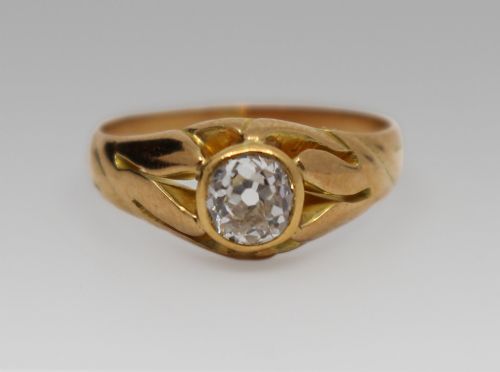
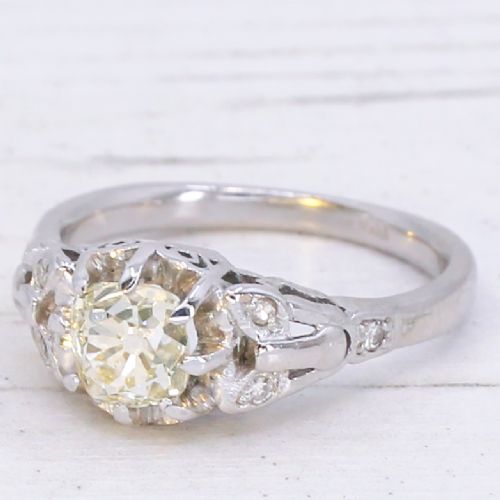
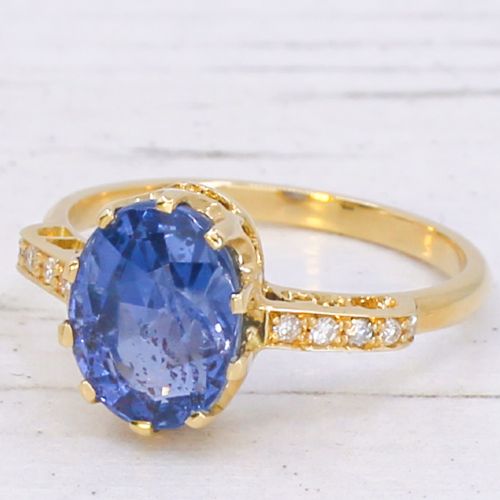
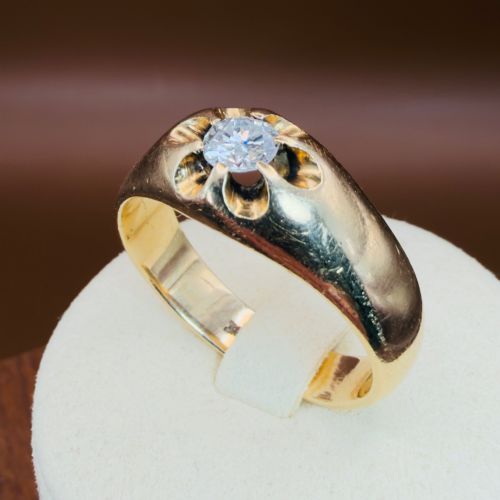


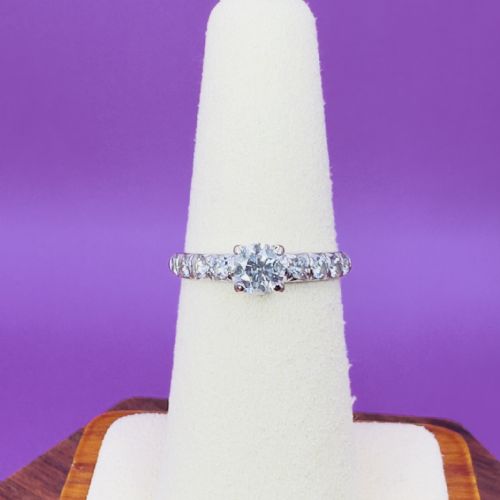

Diamond Solitaire Gold Band
A diamond solitaire gold band centres a single stone on a precious metal hoop, combining history and endurance in a classic form.
Diamond Solitaire Gold Band
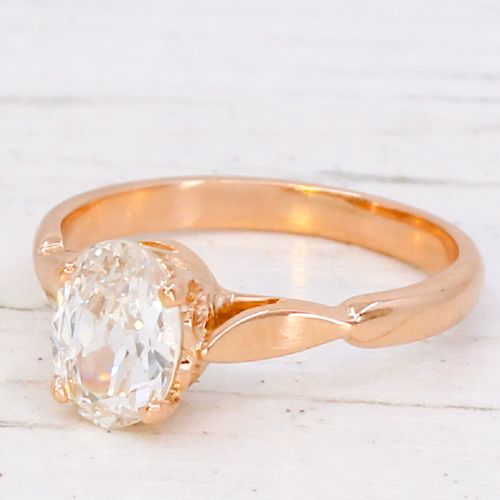
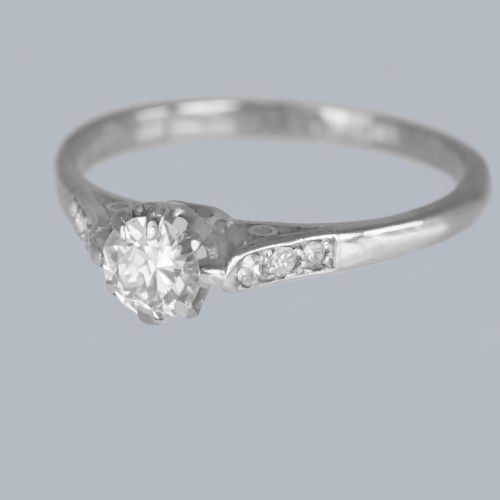
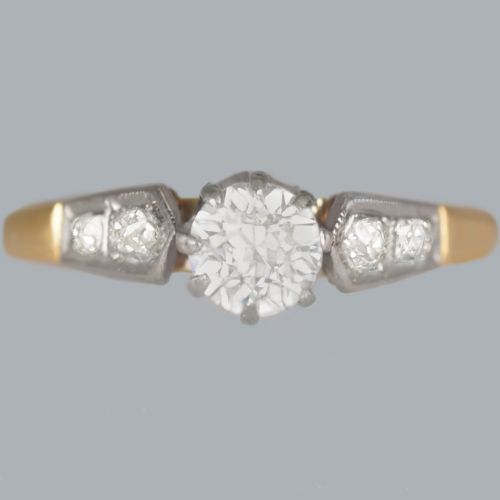
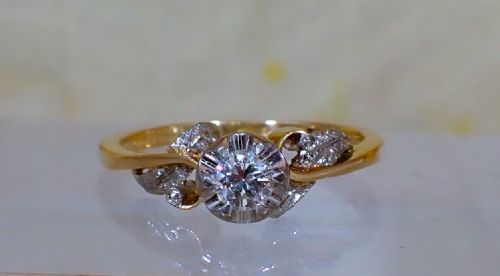
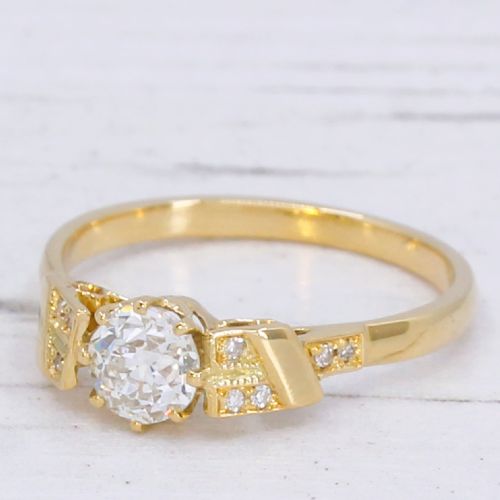
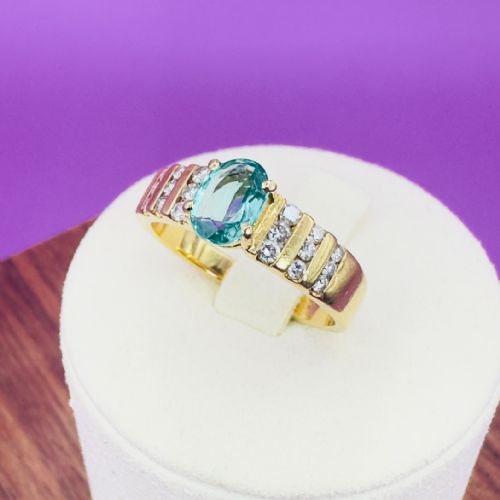
A diamond solitaire gold band represents a lasting tradition in fine jewellery, taking the form of rings and engagement rings designed to showcase a central stone. When searching for a diamond solitaire gold band, buyers encounter pieces spanning from the Victorian era through Edwardian, Art Deco, and mid-century periods.
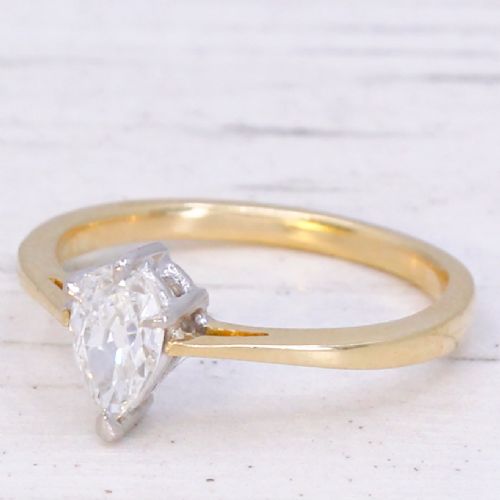
The most common versions on this page combine yellow, rose, or white gold bands with diamonds cut in various historical styles, including old cut, brilliant cut, and old European cut variants.
Many examples incorporate platinum alongside gold, particularly in Art Deco and Edwardian designs, reflecting the manufacturing techniques and material preferences of their respective decades.
Materials and construction
Metals span 9ct, 14ct, 15ct, and 18ct gold in yellow, white, and rose hues, frequently paired with platinum settings to secure the principal stone.
Some nineteenth-century gypsy rings hide their single diamonds so securely that they slide effortlessly inside working pockets without catching.
Quality factors
The distinction between tiers rests upon the optical qualities of the diamond, the weight of the gold band, and the precision of the setting work.
Superior pieces display harmonious proportions between the stone size and the shank width, alongside crisp detailing in shoulder work or metal fabrication.
The Diamond Solitaire Gold Band Glossary
- Solitaire
- A ring mounting a single gemstone as its primary decorative element. This setting style focuses attention entirely upon the central diamond.
- Old European cut
- An early round diamond cut characterised by a small table, heavy crown, and large open culet. It precursors the modern brilliant cut.
- Gypsy ring
- A style where the gemstone is flush-set directly into the metal band, popular during the Victorian and Edwardian periods.
- Old mine cut
- A cushion-shaped vintage diamond cut with a high crown, small table, and near-square girdle, typical of nineteenth-century jewellery.
- Shoulder
- The upper portion of the ring band as it transitions upward toward the central setting or stone.
Diamond Solitaire Gold Band: Frequently Asked Questions
How do I identify a vintage diamond solitaire gold band?
Examine the cut of the diamond and the construction method of the metal band. Hand-cut stones and specific hallmarks often indicate Victorian, Edwardian, or mid-century origins.
Consulting period styles helps date pieces accurately when official documentation is absent from the listing.
Can I wear a gold band ring every day?
Most 18ct gold and platinum rings withstand daily wear if treated with reasonable care. Softer 9ct variants also endure regular use when cleaned properly.
Removing rings during heavy manual work prevents unnecessary scratching and stone loosening.
What is the difference between old cut and brilliant cut diamonds?
Old cuts feature hand-fashioned facets designed under candlelight, resulting in distinctive patterning and softer light dispersion. Modern brilliant cuts utilise standardised geometry to maximise optical return.
Both styles appear across different eras represented in the collection.
Are platinum and gold combinations common in antique rings?
Jewellers frequently paired platinum settings with yellow or rose gold bands during the Edwardian and Art Deco periods. Platinum provided a secure, white backdrop for diamonds while gold formed the warm shank.
This dual-metal technique defines many pieces from the early twentieth century.