

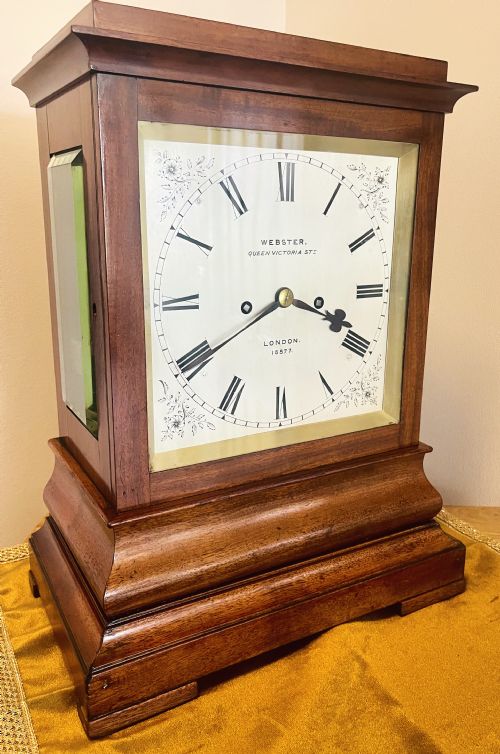
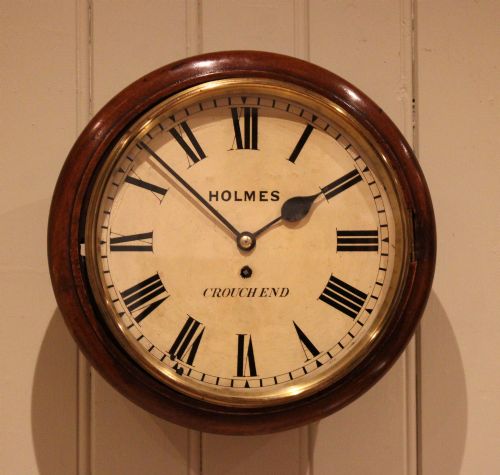
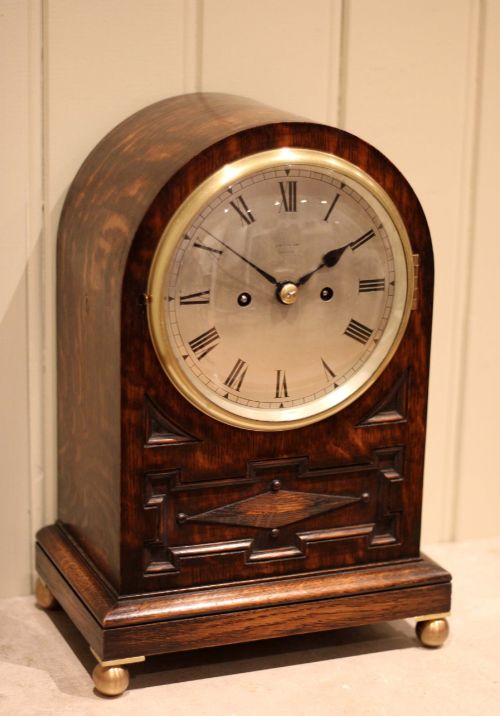
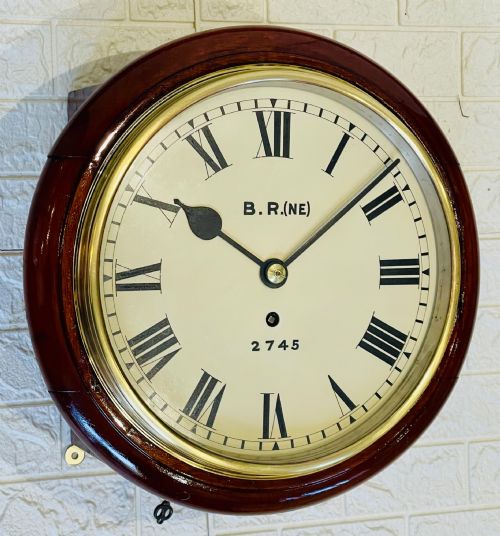
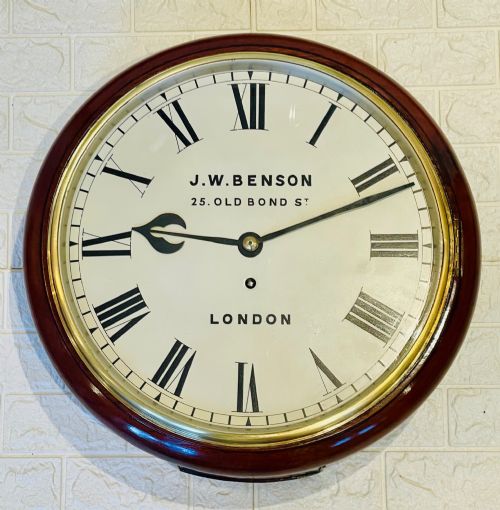

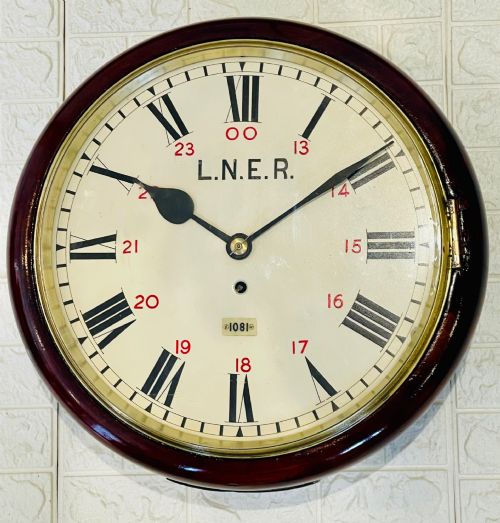
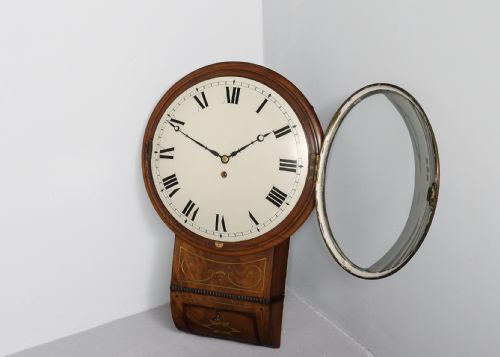
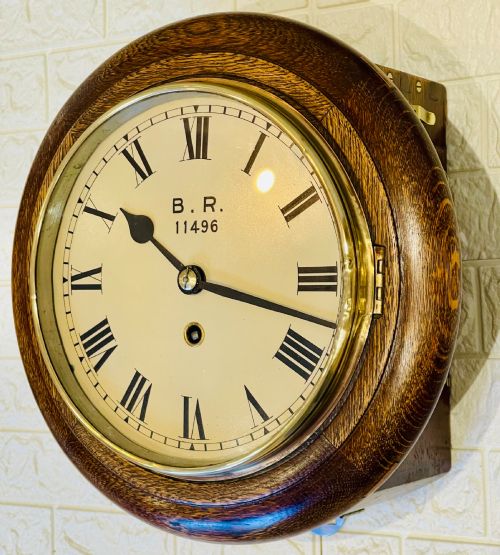


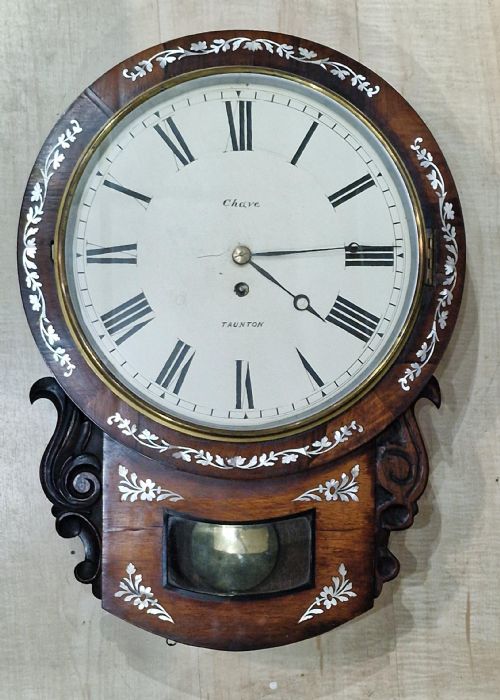
Dial Clock with Fusee Movement
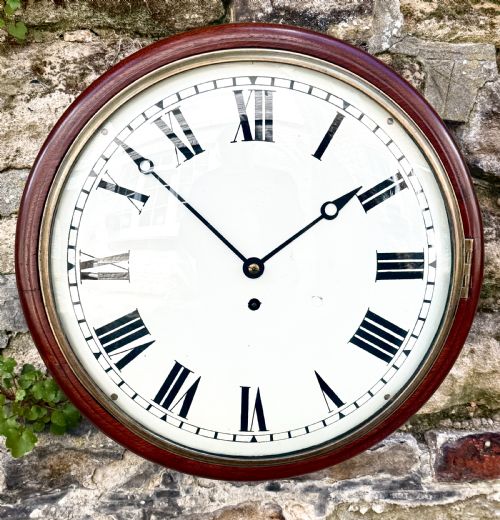
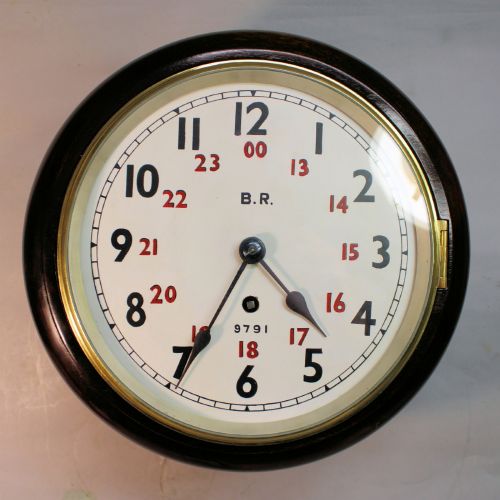
A dial clock with fusee movement offers reliable timekeeping through traditional chain-driven mechanics housed in elegant mahogany, brass, or gilt cases.
Dial Clock with Fusee Movement
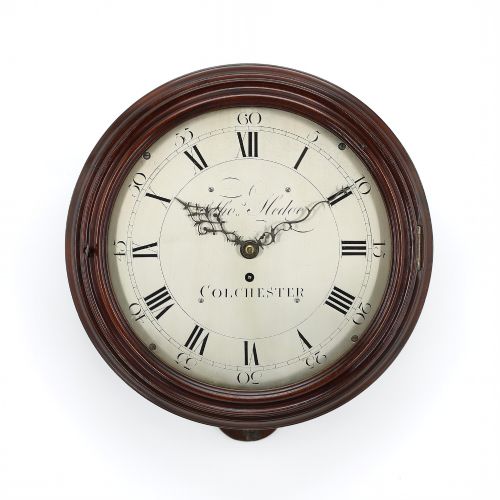
A dial clock with fusee movement combines precise mechanical engineering with classic interior design, serving as both a functional timepiece and a striking focal point on a wall or mantelpiece. Buyers searching for a dial clock with fusee movement typically encounter traditional wall clocks, drop-dial variants, and mantel clocks originating from the eighteenth, nineteenth, and twentieth centuries.
The pieces available span various formal styles including Georgian, Regency, Victorian, and maritime designs. Wall-hung drop-dial versions and heavy mahogany cases dominate the selection, alongside decorative library and bracket clocks featuring exposed brass bezels and convex dials.
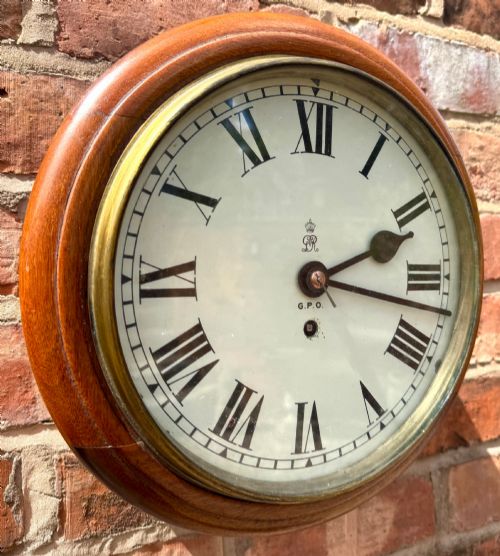
Origins stretch from standard British postal service timepieces to fine London maker pieces adorned with gilt bronze, ormolu, and patinated finishes. Each surviving example demonstrates how mechanical reliability was integrated into domestic, maritime, and public spaces over the centuries.
Materials and construction
Cases rely heavily on dense timbers such as mahogany and rosewood, often paired with cast brass bezels, glass viewing doors, and patinated bronze or gilt ormolu mounts. Finer examples incorporate satinwood or delicate engine-turned gilded dials that contrast sharply against dark wooden surrounds.
The defining mechanical element is the fusee movement, which uses a cone-shaped pulley to maintain even tension on the chain as the mainspring unwinds. This complex gear assembly ensures steady accuracy throughout the running cycle, whether housed in a wall-mounted drop-dial or a heavy library clock.
Dial Clock with Fusee Movement Retail Price Guide 2026
Typical asking prices for dial clock with fusee movement among the pieces listed under this phrase on Sellingantiques today, from the lower quarter to the upper quarter. They describe what is for sale here now, not the wider market.
Factors of quality
Quality rests upon the crispness of the case timber carving, the preservation of original glass and dial paint, and the complexity of the movement itself. Year-going movements or striking mechanisms with alarm functions represent a higher grade of horological achievement than standard single-chain timepieces.
Provenance and signature engraving also elevate a piece, particularly when movements and cases bear the stamped numbers or signatures of established London makers. The integration of fine decorative elements like gilt bronze, patinated bronze, or engine-turned dials distinguishes exceptional showroom pieces from standard utility timekeeping objects.
KELVIN WHITE & HUTTON LONDON·CHATER & SON·Henry Berkeley Square London
The Dial Clock with Fusee Movement Glossary
- Fusee
- A conical pulley used with a cord, gut, or chain to equalize the torque of the mainspring as it unwinds. This mechanism ensures consistent force is delivered to the gear train for greater timekeeping accuracy.
- Drop-dial
- A wall clock design where the circular dial sits above an extended wooden case, often with a pendulum window at the bottom. This form was widely utilised in offices, railway stations, and public buildings.
- Ormolu
- Gilded bronze decorative mounts applied to clock cases during the eighteenth and nineteenth centuries. The technique involves treating finely cast bronze with a mercury and gold amalgam before heating.
- Convex dial
- A clock face that curves outward toward the viewer. This curved profile helps reduce glare from nearby windows and gas lighting.
- Engine-turned
- A geometric pattern precisely machined into metal surfaces using a specialised lathe. This decorative technique appears on gilded dials and bezels of finer library clocks.
Dial Clock with Fusee Movement: Frequently Asked Questions
What is a fusee movement?
A fusee movement uses a conical pulley connected to a chain or wire to regulate the power delivered from the mainspring. As the spring unwinds and loses tension, the chain moves to a wider part of the cone to maintain consistent torque.
This clever mechanical arrangement prevents the clock from running faster when fully wound and slower as it winds down, resulting in much more reliable timekeeping across the running period.
Where were drop-dial clocks used?
Drop-dial wall clocks were heavily utilised in public buildings, railway offices, maritime settings, and institutional spaces where clear visibility and dependable timekeeping were paramount. Their distinctive elongated cases accommodated the pendulum swing while keeping the dial at eye level.
Over time, many of these reliable timepieces also found their way into domestic hallways and studies as the standard for dependable British horology.
How do I wind a fusee clock?
Winding a fusee clock requires inserting a key into the dial winding hole and turning it gently until the movement reaches its stop. Care must be taken not to overwind or force the mechanism once resistance is felt at the end of the chain.
Most chain fusee clocks run for eight days or twenty-four hours depending on the complexity of the gear train, requiring a regular weekly or daily routine to keep accurate time.
How do I date a dial clock?
Dating a dial clock involves examining the style of the wooden case, the shape of the bezel, the materials used for the dial, and any maker signatures stamped on the backplate. Regency and Georgian examples often feature rich mahogany with convex painted dials, while later nineteenth-century pieces display different timber patinations and brass fittings.
Inscribed history, stamped service numbers from bodies like the GPO, or specific maker names help narrow down the exact manufacturing decade.