
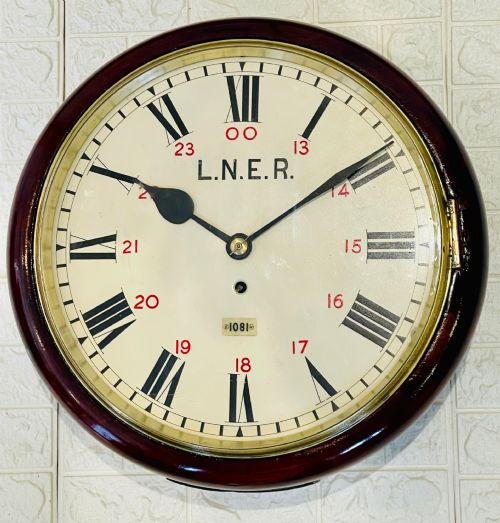

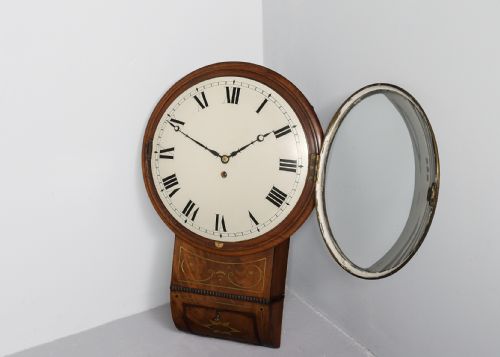
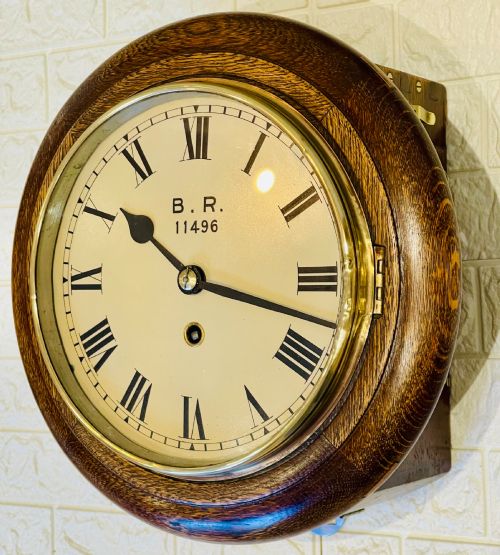
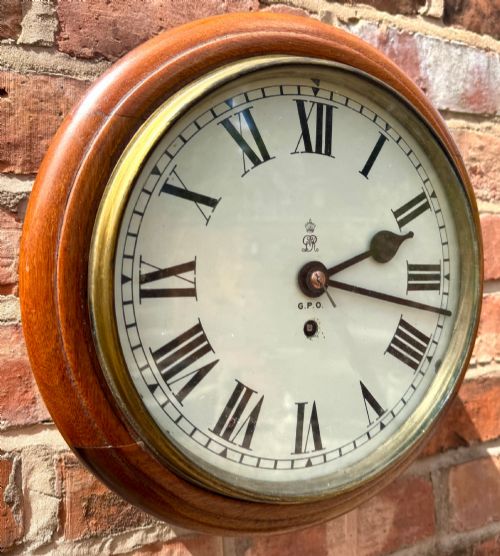




Dial Clock Fusee Movement
A dial clock fusee movement combines steady timekeeping with clean lines, bringing mechanical depth to a wall or mantel.
Dial Clock Fusee Movement
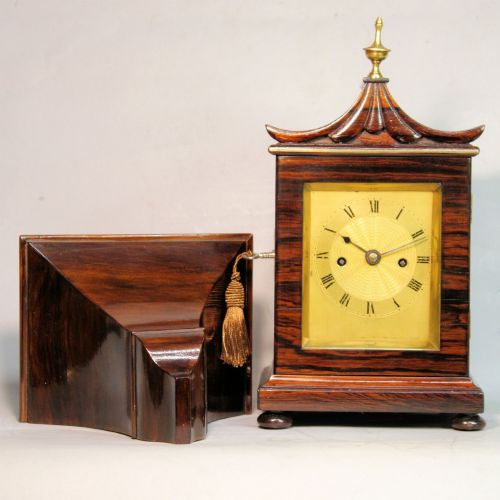
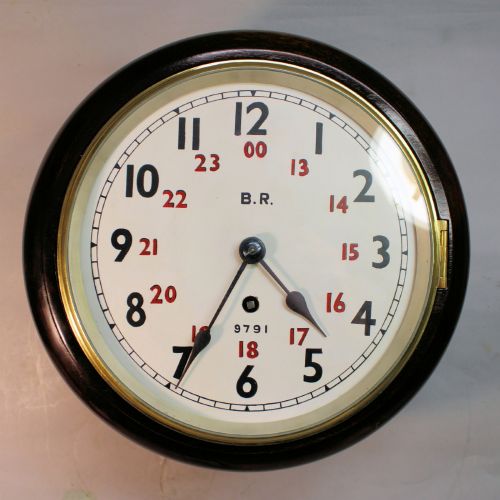
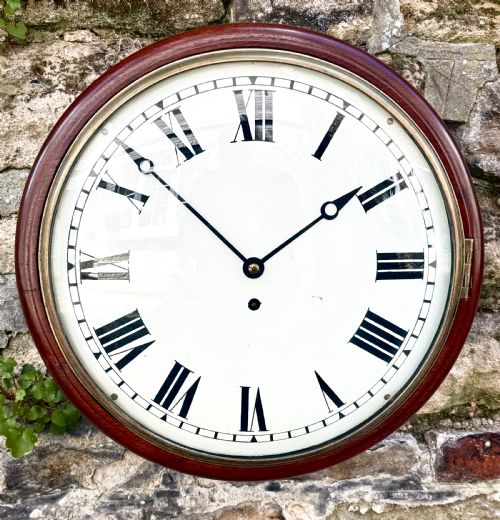
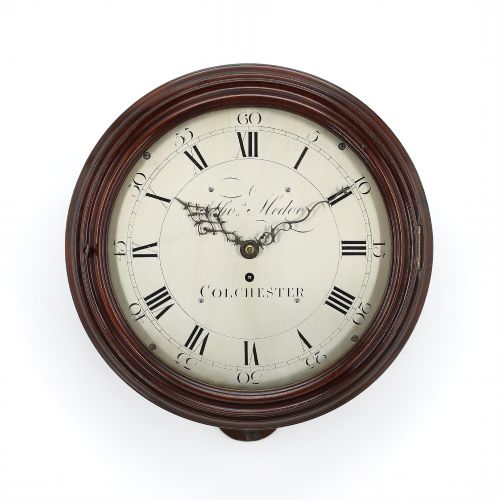
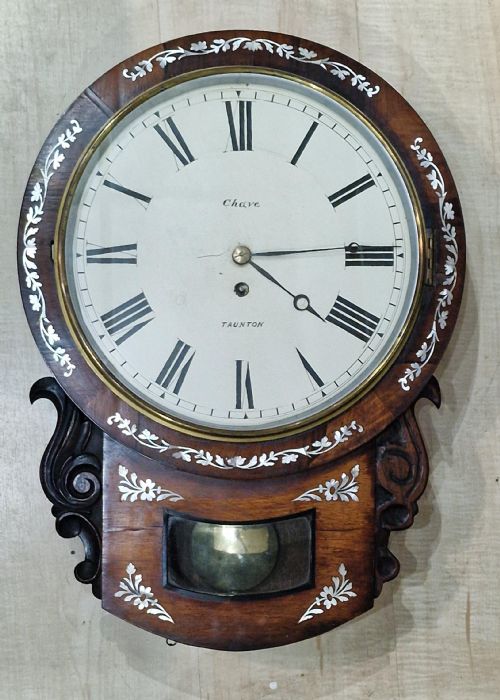
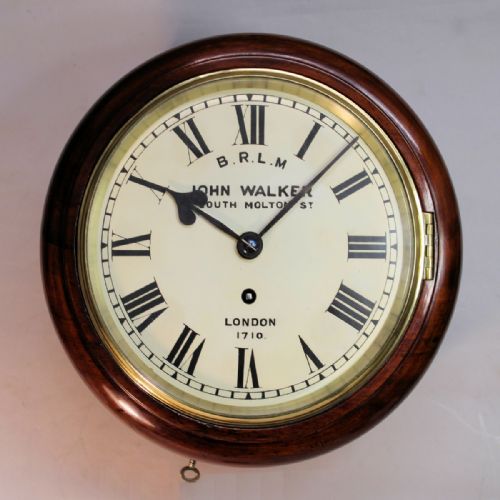
A dial clock fusee movement directs a mechanical timekeeper housed in wall, bracket, and library clock forms. These pieces appear most frequently in 19th century and Victorian variations, often tied to railway, station, or domestic use. Buyers encounter round-dial wall clocks alongside drop-dial and larger library formats.
The mechanism relies on a conical pulley paired with a chain or cord to maintain equal power as the mainspring unwinds. This mechanical arrangement delivers consistent force to the gear train, which improves accuracy across the duration of the run. Such reliability made the mechanism popular for public offices and transit systems.
Materials and construction
Clockmakers built the internal gear trains using brass and steel, housing them within solid timber cases of mahogany, rosewood, oak, or walnut. Brass framed the dial bezels and internal plates, while steel formed the arbors, springs, and pinions. Glass protected the dial face behind a hinged brass or wooden surround.
The signature fusee cone was cut with a spiral groove to accept the chain or gut line connected to the mainspring barrel. Makers mounted these movements securely onto wooden seat boards or directly into carved cases designed to hang on walls or sit on mantel shelves.
Listings feature brass, mahogany, rosewood, and iron across Victorian and Georgian timepieces.
Judging the standard of execution
Superior examples show crisp engraving on dial faces and maker signatures stamped cleanly onto brass movement backplates. The quality of timber selection in the case, particularly figured mahogany or matched rosewood veneers, marks the distinction between utility railway models and high-end domestic library pieces.
Refinement in the gear cutting and the precision of the fusee spiral dictate how smoothly the power transfers through the train. Cases featuring integrated side doors, sound frets, and heavy cast brass bezels reflect higher workshop standards than standard utilitarian issue clocks.
Thomas Hedge of Colchester·Samuel Chave Taunton·Halliday and Rich Bridgwater·John Walker London·William Payne·Phillips Brothers·Kelvin White and Hutton·Chater and Son London
The Dial Clock Fusee Movement Glossary
- Fusee
- A conical pulley with a spiral groove that equalises the diminishing pull of the mainspring. This device ensures the clock receives even torque as it runs down.
- Drop dial
- A wall clock case featuring a circular dial head above an extended lower wooden trunk. This shape accommodates the swing of a longer pendulum.
- Verge escapement
- An early type of escapement mechanism controlling the rotation of the gear train via a crown wheel and pallet cross-bar. It requires frequent adjustment for precise timekeeping.
- Library clock
- A portable table or mantel clock designed for study or domestic rooms. These pieces often feature multiple glass panels revealing the internal movement.
Dial Clock Fusee Movement: Frequently Asked Questions
How do I wind a fusee clock?
Insert the winding key into the dial aperture and turn it gently clockwise until the mechanism comes to a firm stop. Take care not to overwind the chain or cord on the fusee cone.
Most eight-day movements require winding once a week on a regular schedule to maintain tension on the mainspring.
Why does a railway clock have a fusee movement?
Railway networks required absolute precision from station clocks to coordinate timetables across the line. The fusee mechanism kept the drive force constant, ensuring the minute hand moved evenly rather than losing speed as the spring lost power.
This reliability made them standard equipment for companies like the Great Western Railway and London and North Eastern Railway.
How can I tell a Georgian fusee clock from a Victorian one?
Georgian examples often display simpler proportions with brass bezels and heavy mahogany trunk cases, sometimes branded as tavern clocks. Victorian variations frequently incorporate railway company lettering, side-winding adjustments, or rosewood veneers.
Examining the dial signature and backplate engraving usually clarifies the period of manufacture.
Where should I hang a heavy dial wall clock?
Mount the clock directly into a solid wall stud or masonry anchor using a sturdy steel screw or bracket. The heavy mahogany or oak case requires secure support to prevent vibrations from disrupting the pendulum.
Ensure the wall surface is flat so the case hangs plumb and the beat remains even.