





Derby Imari Porcelain
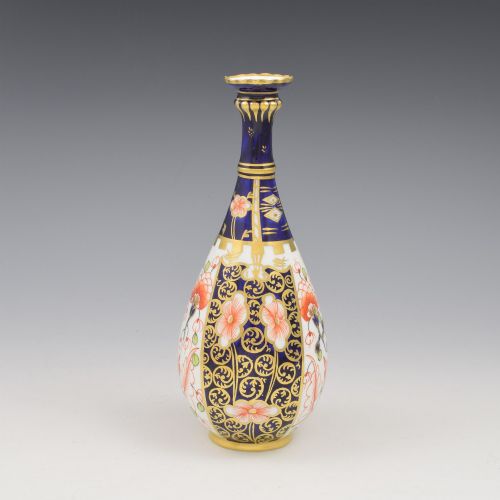
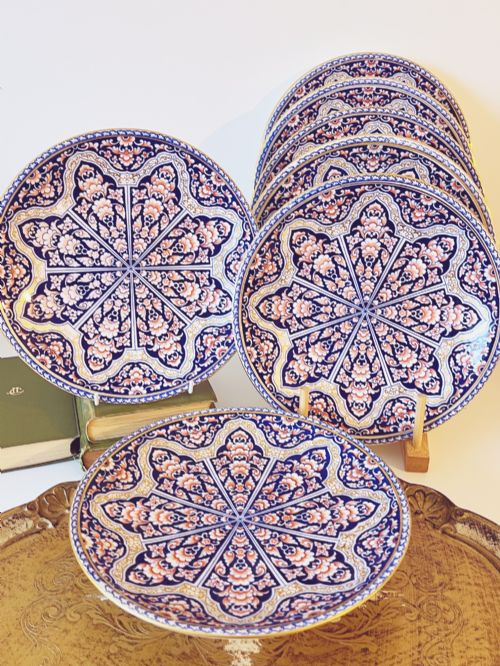
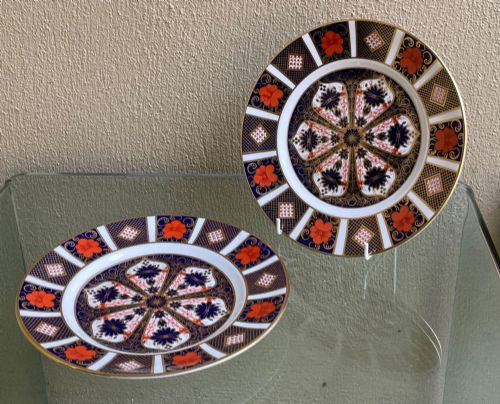
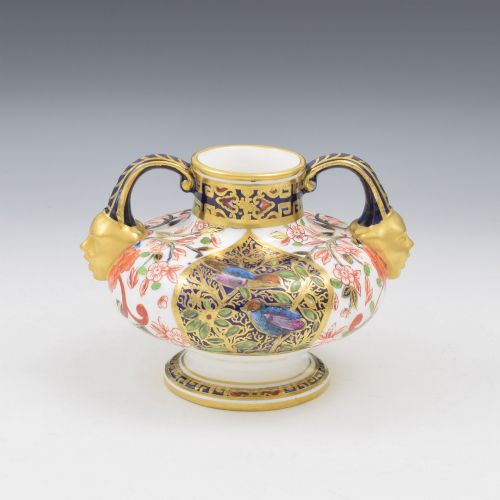
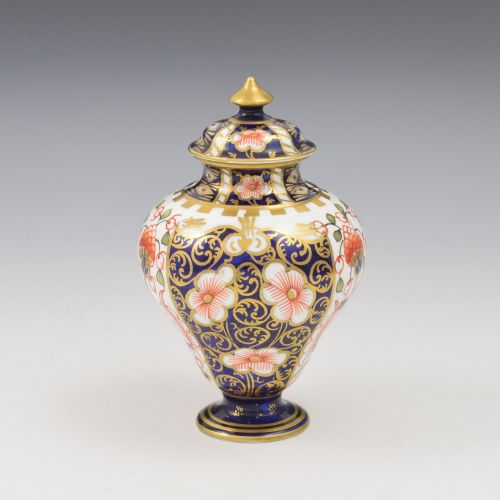
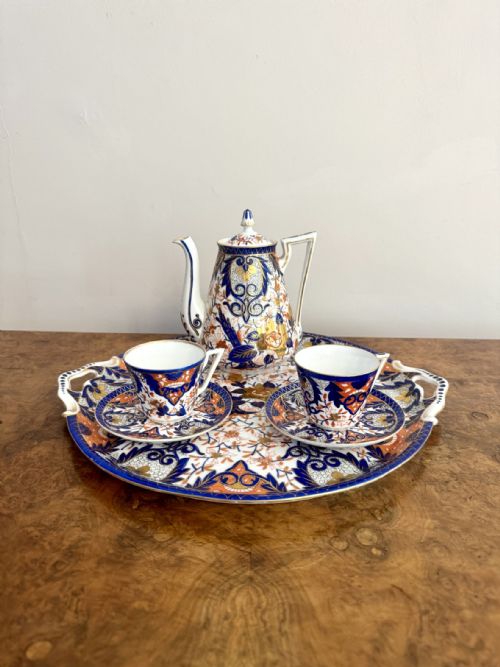
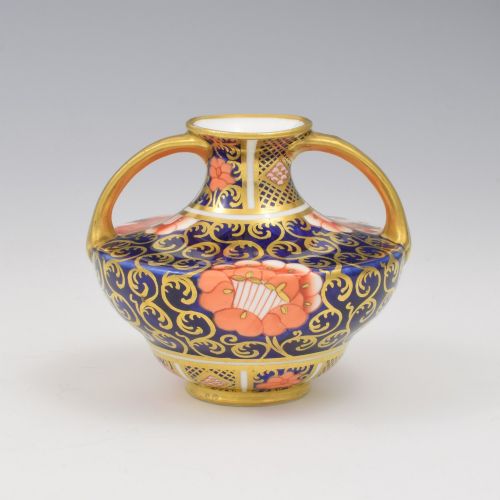
Derby imari porcelain pieces bring together rich iron-red, cobalt blue and gold leaf on bone china and ceramic.
Derby Imari Porcelain
When seeking derby imari porcelain, collectors encounter pieces spanning the late eighteenth century through to the mid twentieth century. The selection includes decorative plates, serving dishes, miniature vases and coffee sets.
The most common forms on this page include Royal Crown Derby items decorated in patterns such as the Witches pattern 6299 and pattern 1128. Earlier examples feature Kakiemon style designs like the Two Quails pattern.
Makers and producers represented range from early Derby works and Stevenson and Hancock King Street Derby to Royal Crown Derby. Styles stretch across Georgian, Regency, Victorian, Edwardian and later twentieth century periods.
What varies in quality
Quality rests in the precision of the hand-painted enamels and the crispness of the gilt work. Better pieces display sharp separation between the cobalt blue and iron-red tones without bleeding.
The depth and weight of the porcelain body, along with the fineness of pierced work on trays and serving dishes, mark out finer examples. Early period pieces and distinct pattern numbers also influence the standing of an item.
Derby Imari Porcelain Retail Price Guide 2026
Typical asking prices for derby imari porcelain among the pieces listed under this phrase on Sellingantiques today, from the lower quarter to the upper quarter. They describe what is for sale here now, not the wider market.
Among the miniature items are tiny porcelain flat irons complete with their own stands, proving that even laundry equipment could be dainty.
Royal Crown Derby·Stevenson and Hancock
The Derby Imari Porcelain Glossary
- Imari style
- A decorative scheme inspired by Japanese export wares, utilising a palette of cobalt blue, iron-red and gold leaf. This style became popular across English porcelain factories.
- Bone china
- A type of soft-paste porcelain incorporating bone ash, producing a strong, translucent ceramic body. It forms the basis for many nineteenth and twentieth century Derby pieces.
- Gold gilding
- The application of gold leaf or powdered gold to ceramic surfaces for decorative effect. Hand-gilded highlights define the borders of plates and handles of vases.
- Enamel
- Opaque glass-like paint applied over the glaze and fired at a lower temperature. It provides the vibrant red and secondary colours characteristic of imari patterns.
- Comport
- A raised dish or bowl used for serving fruit or sweets as part of a dessert service. They often sit on a pedestal base and match surrounding dessert plates.
Derby Imari Porcelain: Frequently Asked Questions
How do I date my derby imari porcelain?
Dating relies on factory backstamps, pattern numbers and style periods visible on the base of each piece. Marks changed across the Georgian, Victorian and Edwardian eras, helping to narrow down the year of manufacture.
Comparing pattern numbers such as 6299 or 1128 alongside known registration years provides further clarity on when a vase or serving dish was produced.
What is the difference between imari and kakiemon styles?
Imari styles typically employ a dense palette of cobalt blue, iron-red and abundant gold leaf with heavily patterned borders. They draw from Japanese export porcelain traditions.
Kakiemon style pieces, such as those featuring the Two Quails pattern, often use a lighter arrangement with asymmetric placement on a milky porcelain ground.
How were miniature derby imari pieces used?
Miniature vases, flat irons on stands and small coffee or solitaire sets served as decorative ornaments or cabinet pieces rather than functional tableware. Wealthy homes displayed them on mantelpieces and in glass-fronted vitrines.
Their small scale demonstrated the technical skill of the painters who applied detailed imari patterns to tiny porcelain surfaces.
Can I use antique dessert services for dining?
While comports and serving dishes were originally made for serving food during nineteenth century meals, modern usage requires care due to age and hand-painted gilt decoration.
Hand washing in warm water without harsh detergents preserves the overglaze enamels and gold leaf on porcelain and bone china surfaces.