




Derby Imari Pattern China
These derby imari pattern china pieces bring rich cobalt and iron red palettes to your table, combining traditional Japanese designs with classic English porcelain forms.
Derby Imari Pattern China
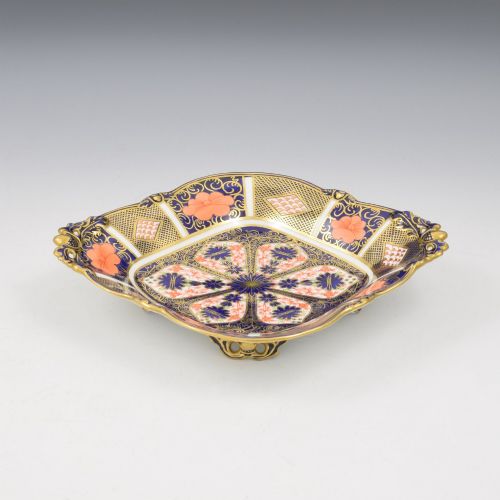
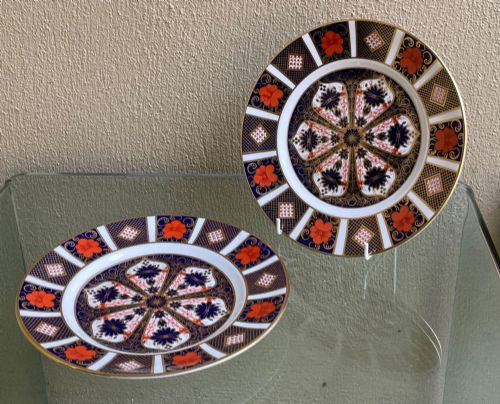
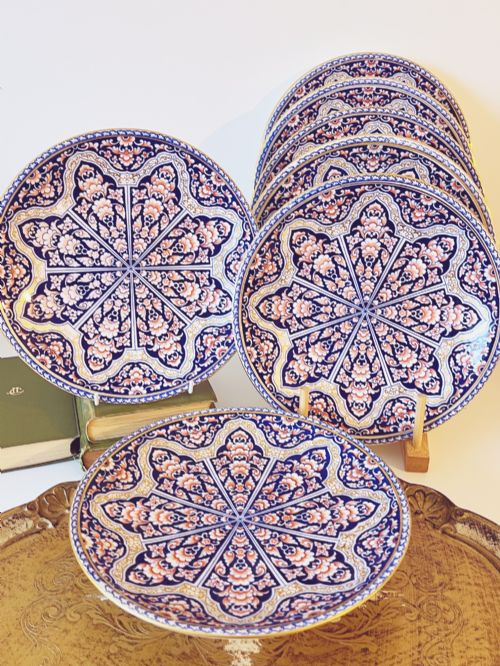
When searching for derby imari pattern china, buyers encounter a range of forms spanning from the late eighteenth century through to the mid-twentieth century. The selection includes decorative plates, serving dishes, and intricate miniature pieces, all decorated with the distinctive palette of the style.
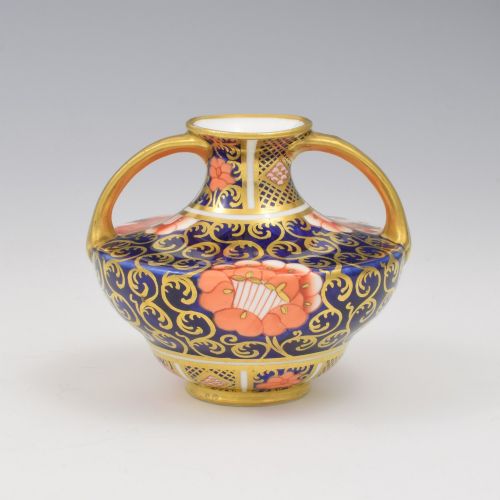
The objects most frequently met on this page are Royal Crown Derby creations, including deep lobed serving dishes, bud vases, and dessert services. Pieces range from early period miniature flat irons to Edwardian and 1920s tableware bearing specific pattern numbers.
Earlier examples bridge the gap toward eighteenth-century production, such as soft-paste porcelain plates featuring the Kylin pattern or Kakiemon style butter dishes with the Two Quails design. These items reflect the enduring British adaptation of East Asian aesthetic traditions across multiple generations of ceramic manufacture.
Assessing Quality and Execution
Quality in these ceramics depends on the crispness of the hand-painted underglaze blue and overglaze enamel details. Superior examples exhibit precise alignment of complex patterns, such as the intricate motifs seen in pattern numbers 1128 and 6299.
The preservation of the gold leaf and gold gilding distinguishes finer pieces from heavier-used domestic wares. Additionally, the delicacy of pierced serving trays and the modelling of miniature forms demonstrate the technical skill of the makers.
Derby Imari Pattern China Retail Price Guide 2026
Typical asking prices for derby imari pattern china among the pieces listed under this phrase on Sellingantiques today, from the lower quarter to the upper quarter. They describe what is for sale here now, not the wider market.
Among the grand dessert services sit charmingly diminutive porcelain flat irons, proving that even laundry day received an Imari makeover.
Royal Crown Derby
The Derby Imari Pattern China Glossary
- Imari style
- A decorative scheme inspired by Japanese export porcelain, utilising a palette of cobalt blue, iron red, and gold gilt. The design traditionally incorporates floral and panelled motifs.
- Soft-paste porcelain
- A ceramic composition containing clay and glass frits, fired at lower temperatures than hard-paste porcelain. It is common in earlier English factory productions.
- Overglaze enamel
- Pigments applied on top of the fired glaze and subjected to a subsequent low-temperature firing to fuse the colours. This technique allows for vibrant reds and greens.
- Bone china
- A type of soft-paste porcelain incorporating animal bone ash, developed in England to improve durability and translucency. It forms the body of many nineteenth and twentieth-century items.
- Kakiemon style
- An asymmetrical Japanese ceramic decorating style featuring delicate pictorial motifs, often adopted by early English porcelain factories for plates and dishes.
Derby Imari Pattern China: Frequently Asked Questions
What is the Imari style?
The Imari style refers to decorative ceramic patterns inspired by Japanese wares exported through the port of Imari. These designs typically combine cobalt blue, iron red, and gold gilding.
English factories adapted this aesthetic, creating distinctive tableware and decorative pieces that blended Eastern motifs with traditional European ceramic shapes.
How do I date my piece?
Dating relies on factory date marks stamped or painted on the underside, alongside style indicators and pattern numbers. Specific marks correspond to Victorian, Edwardian, and later twentieth-century periods.
Comparing the paste material, whether bone china or soft-paste porcelain, also helps narrow down the decade of production.
How should I care for my china?
Display these porcelain pieces away from direct sunlight to protect the integrity of the overglaze enamels and gold leaf. Hand washing with mild soap is essential to preserve fragile gilding.
Avoid using dishwashers or abrasive materials, which can permanently damage the historic surface decorations.