


Derby China Plate
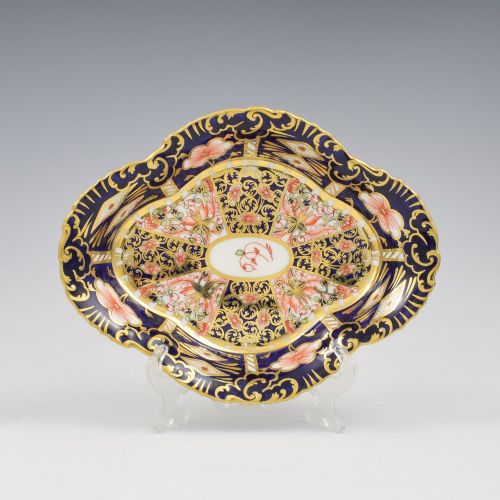
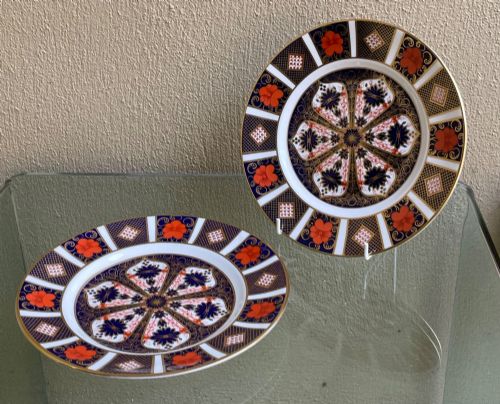
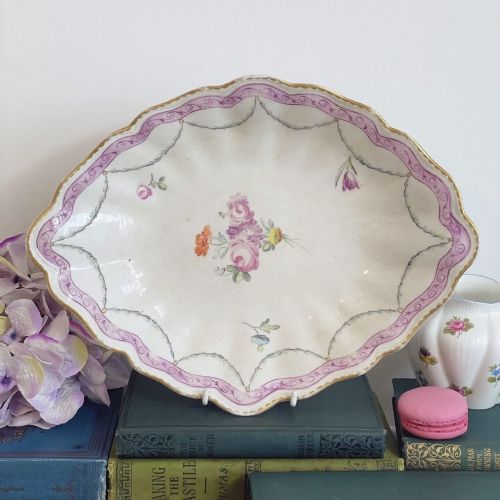
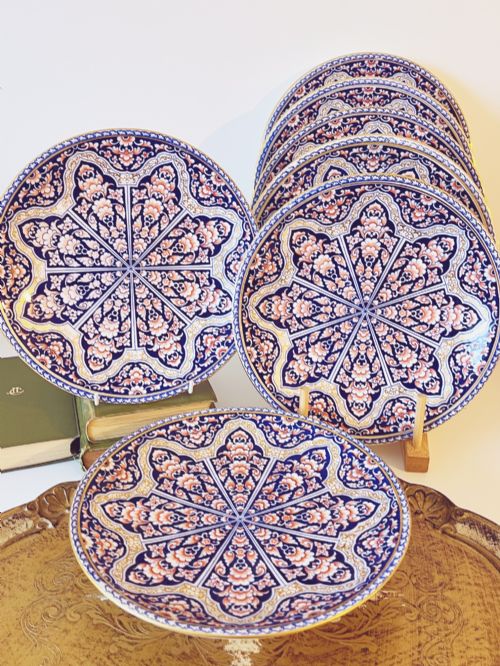
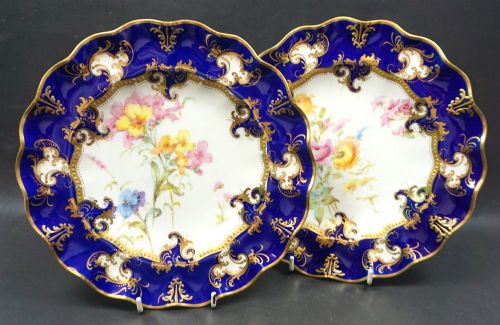
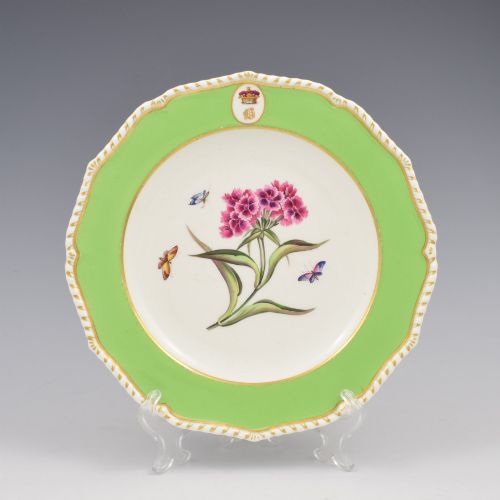
These derby china plate pieces bring hand-painted botanicals, armorials and Imari patterns straight to the table from the 18th century onward.
Derby China Plate
A derby china plate represents centuries of English ceramic history, spanning periods from the 18th century through the Georgian and Regency eras into the 20th century. When searching for a derby china plate, buyers encounter diverse forms including cabinet plates, dessert services, decorative plates, and serving dishes.
The selection ranges from early soft-paste porcelain decorated with the Kylin pattern or cotton stem painting to later bone china bearing intricate botanical studies and Imari motifs. These items function both as functional tableware and decorative display pieces for traditional interiors.
How they were made
Potters shaped these vessels using soft-paste porcelain in the 18th century before transitioning toward bone china in later decades. Artisans applied polychrome enamels by hand, often incorporating detailed handpainted floral subjects and armorial crests.
Gilding and gold leaf finish the rims and borders, framing the central motifs. Specific pieces display the work of named painters using underglaze blue marks and enamel highlights to achieve rich visual depth.
Several plates depict cheerful botanical subjects like Sweet William and quail patterns, proving that Georgian dining tables enjoyed a playful side.
What varies in quality
The standard of painting sets individual examples apart, particularly when botanical specimens or fruit compositions are rendered by known artists such as Thomas Steele or F Garnett. Superior execution shows in the precision of the brushwork and the vibrancy of the polychrome enamels.
The complexity of the form and decoration also defines the tier, from simple shell plates to complete dessert services comprising comports and matching plates. Rich gilding and well-preserved armorial details elevate the standing of a piece within its period.
Royal Crown Derby·Bloor Derby
The Derby China Plate Glossary
- Soft-paste porcelain
- An early ceramic composition fired at lower temperatures than hard-paste porcelain, common in 18th-century English manufacturing. It often presents a slightly warmer tone under the glaze.
- Imari style
- A decorative scheme inspired by Japanese export wares, typically employing iron red, cobalt blue, and gilt. It appears frequently across Georgian and Victorian Derby productions.
- Bone china
- A type of porcelain incorporating bone ash, yielding a durable body with a bright white appearance. This material became standard in later Victorian and 20th-century works.
- Armorial
- A design featuring a family coat of arms or crest. These bespoke motifs were frequently commissioned by noble families for formal dining services.
- Comport
- A raised dish or bowl used for serving fruit or sweets as part of a grand dessert service. It anchors the centre of a matching table arrangement.
Derby China Plate: Frequently Asked Questions
How do I date a derby china plate?
Dating relies on identifying the factory marks stamped or painted on the underside, alongside stylistic clues such as the paste type and decorative palette. Early 18th-century items feature handpainted blue marks, while later 19th- and 20th-century pieces often incorporate specific date ciphers or standard factory stamps.
Changes in body composition, shifting from soft-paste porcelain to bone china, also help narrow down the production era. Comparing the border styles and floral painting techniques against known period examples provides further chronological context.
What is an Imari derby plate?
An Imari derby plate applies traditional Japanese-inspired patterns using a distinctive palette of iron red, underglaze blue, and heavy gilding. This decorative approach gained immense popularity during the Georgian period and remained a staple of the factory's output into the 20th century.
These pieces combine Eastern aesthetic influences with Western ceramic shapes, creating high-contrast visual designs. They were frequently produced as part of larger dessert or tea services for affluent households.
Can I use these plates for dining?
While these items were originally made for functional use during dessert courses or formal meals, surviving antique examples are generally treated as decorative or cabinet pieces today. The delicate handpainted enamels and gold leaf gilding are vulnerable to modern dishwashers and heavy cutlery use.
Displaying them in cabinets or on walls protects the fragile surfaces from wear and tear. Gentle hand washing with mild soap is recommended if cleaning ever becomes necessary.
Who painted these botanical plates?
Many fine botanical and fruit plates from the Regency and Victorian periods were handpainted by skilled artists working for the factory, such as Thomas Steele or F Garnett. Their work often featured detailed studies of garden flowers, named botanical subjects, or naturalistic fruit arrangements.
Signed or attributed pieces reflect the high artistic ambition of the manufactory during those decades. Collectors often value these artist-attributed works for their individual painterly merit.