






Derby Bone China
Derby bone china brings together Georgian and Victorian ceramic artistry, offering collectors finely painted floral motifs and rich Imari patterns.
Derby Bone China
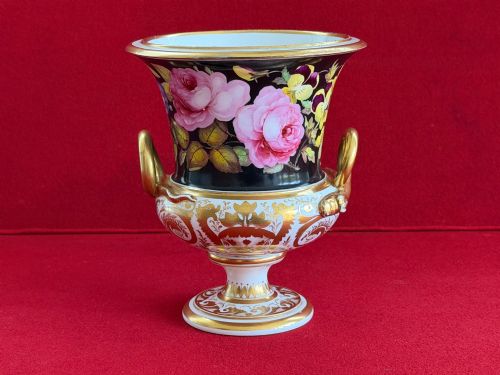
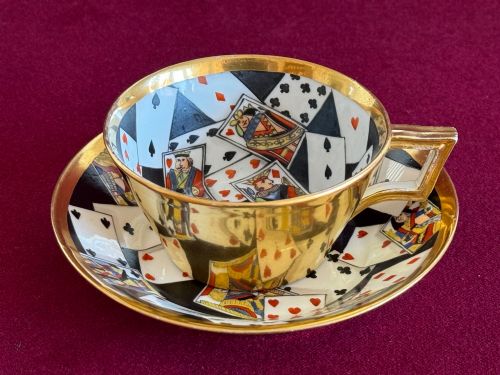
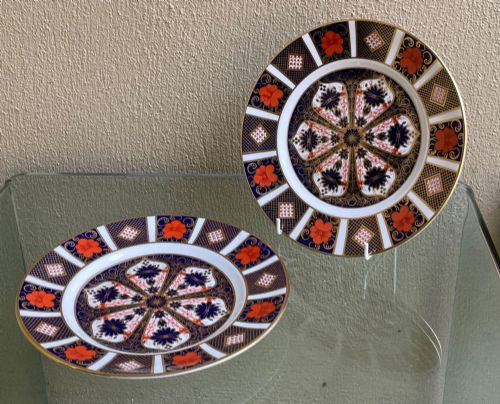
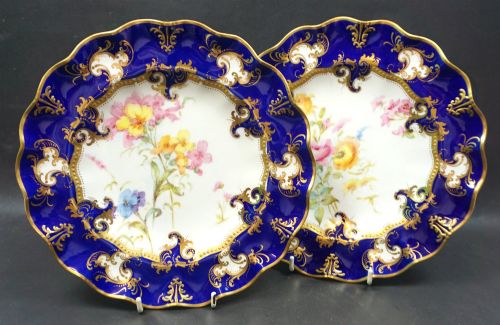
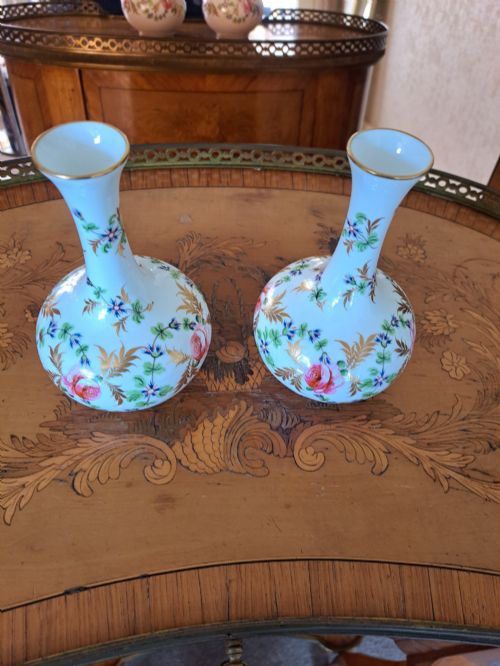
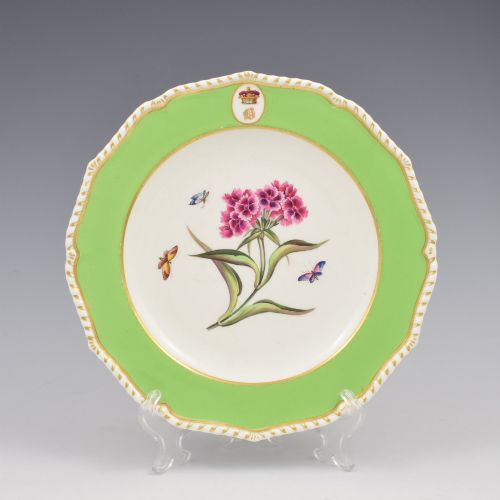
Derby bone china comprises decorative and functional ceramics produced across multiple eras, including Georgian, Regency, Victorian, and Edwardian periods. Buyers investigating derby bone china encounter a variety of forms such as cabinet plates, dessert services, vases, and teacups.
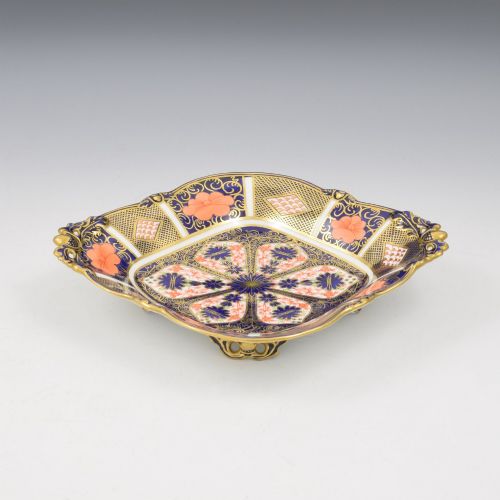
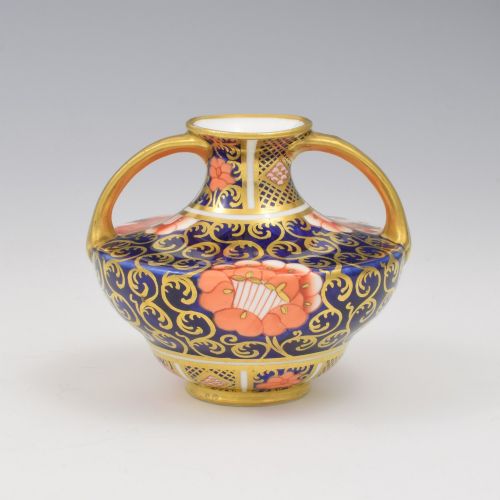
The pieces most frequently met include Royal Crown Derby tableware and decorative items featuring traditional Imari patterns or hand-painted botanical designs. These items reflect the shifting tastes of nineteenth and early twentieth-century households.
Vessels range from miniature vases and flat irons to large serving dishes and complete dessert services. Each item demonstrates the enduring output of the Derby potteries through distinct historical phases.
Materials and Techniques
Production relies upon fine bone china and porcelain bodies, shaped into intricate forms such as pierced trays, lobed dishes, and twin-handled urns. Artisans reinforced these ceramic foundations with precise moulding and turning methods.
Decoration involves hand-painted enamel colours, detailed gilding, and gold leaf applications. Painters utilised enamel pigments to execute botanical studies and traditional Imari motifs before firing.
Derby Bone China Retail Price Guide 2026
Typical asking prices for derby bone china among the pieces listed under this phrase on Sellingantiques today, from the lower quarter to the upper quarter. They describe what is for sale here now, not the wider market.
Listings feature items spanning Georgian, Regency, Victorian, Edwardian, and twentieth-century periods, utilising bone china, porcelain, enamel, and gold gilding.
Assessing Quality and Execution
Quality rests upon the precision of the hand-painted details, such as botanical subjects executed by named artists or complex Imari pattern work. Superior examples display careful brushwork and balanced compositions.
The refinement of the porcelain body and the crispness of moulded elements, including pierced rims or embossed gilding, distinguish standard items from exceptional pieces.
William Quaker Pegg·Duesbury and Kean·Royal Crown Derby·Bloor Derby·Stevenson and Hancock
The Derby Bone China Glossary
- Bone china
- A type of soft-paste porcelain incorporating bone ash, yielding a durable and translucent ceramic body. This material forms the base for many Derby tableware items.
- Imari
- A decorative style characterised by underglaze blue and iron-red highlights enriched with gold gilding. It appears frequently on Royal Crown Derby plates and vases.
- Armorial
- A ceramic design featuring a coat of arms or family crest. These bespoke commissions were often produced for prominent households.
- Comport
- A raised dish or bowl used traditionally as the centrepiece for a dessert service. Comports stand on footed bases above standard plates.
- Gilding
- The application of gold leaf or gold gilt to ceramic surfaces. It highlights rims, handles, and decorative motifs.
Derby Bone China: Frequently Asked Questions
What defines Derby bone china?
Derby bone china encompasses ceramics produced by the historic Derby potteries, ranging from early Georgian porcelain to twentieth-century bone china items. These pieces are recognised for their fine body composition and artistic decoration.
Makers utilised skilled painters to apply botanical studies and traditional Japanese-inspired Imari patterns onto plates, vases, and tea wares.
How do I identify different periods?
Periods are identified through factory marks, pattern numbers, and stylistic shifts spanning the Georgian, Regency, Victorian, and Edwardian eras. Early pieces often feature hand-painted signatures or specific period body characteristics.
Later items from the twentieth century frequently carry standard Royal Crown Derby backstamps and date codes that pinpoint the year of manufacture.
How were dessert services used?
Dessert services served functional and decorative roles during formal Victorian and Georgian dining, holding fruit, sweets, and confections at the conclusion of a meal. A standard service included a central comport accompanied by matching plates.
Hosts displayed these sets on dining tables or within cabinet furniture to demonstrate social standing and refined taste.
Can I use these items daily?
Historic Derby ceramics require careful handling due to their age, delicate enamel work, and gold leaf applications. Most collectors prefer to display cabinet plates, vases, and teacups in secure environments rather than using them for daily dining.
Hand washing in lukewarm water without abrasive detergents preserves the delicate gilding and hand-painted surfaces.