



Demitasse Set
A demitasse set brings small-scale porcelain cups and matching silver spoons together for after-dinner coffee.
Demitasse Set
A demitasse set comprises small cups, saucers and occasionally fitted spoons designed specifically for serving strong black coffee after meals. These collections span porcelain vessels from European factories and cased silver spoons shaped for smaller cups.
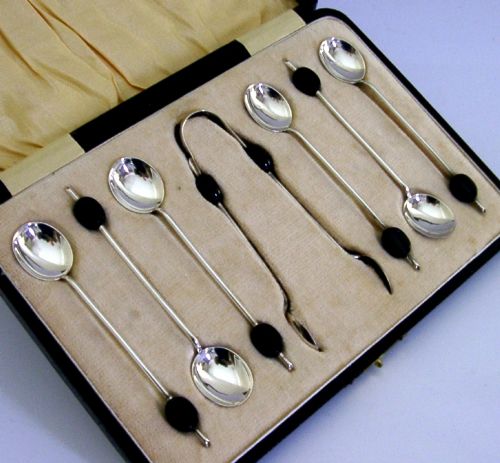
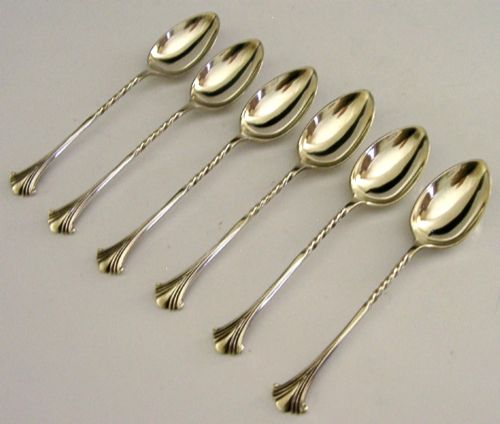
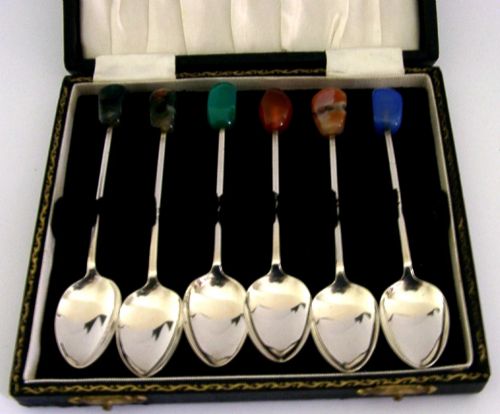
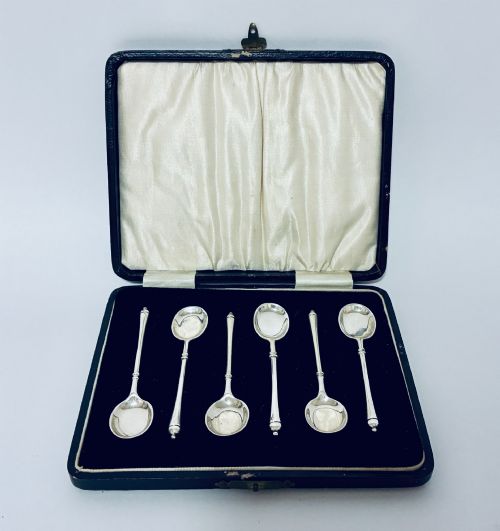
The versions most commonly found here pair delicate ceramic cups with sterling silver or silver-gilt spoons, often housed in velvet-lined presentation cases. Pieces range from nineteenth-century cabinet cups to mid-century modern designs.
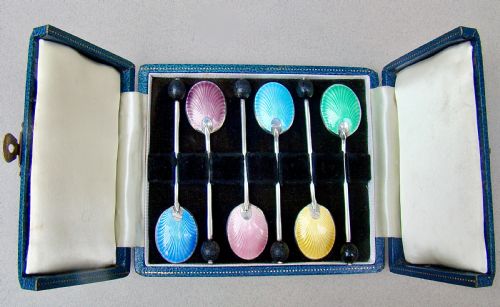
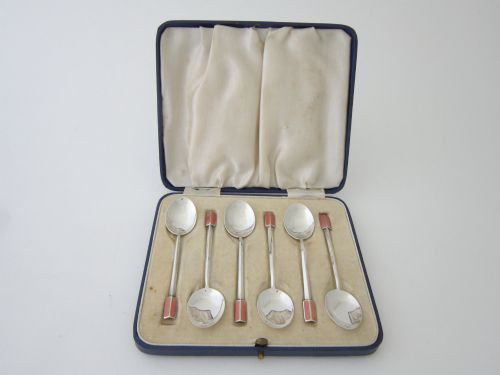
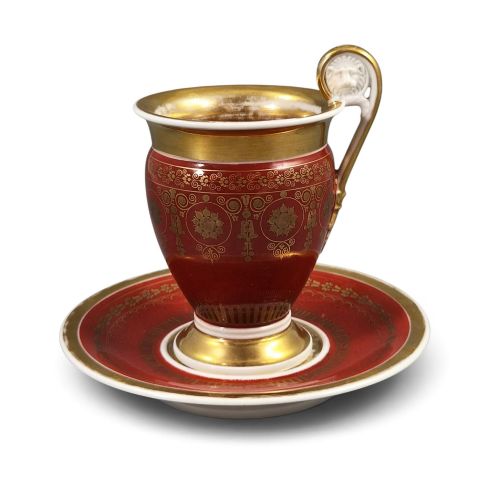
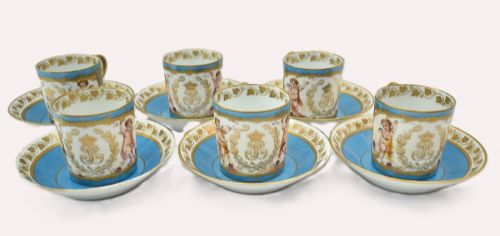
Buyers encounter everything from individual porcelain cups with lion mask handles to complete six-person services with enamelled handles. The groupings reflect dining habits across the Victorian, Edwardian and Art Deco periods.
Materials and manufacture
Potters shaped hard-paste and soft-paste porcelain before applying hand-painted floral motifs, gilding and colourful enamels. Makers then fired these ceramics at high temperatures to achieve a durable, glossy glaze.
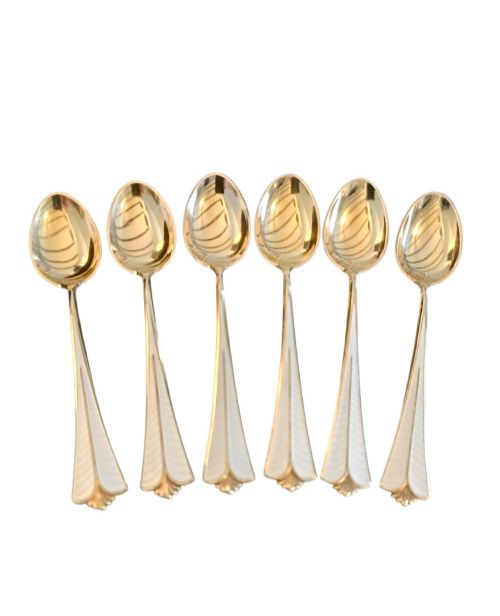
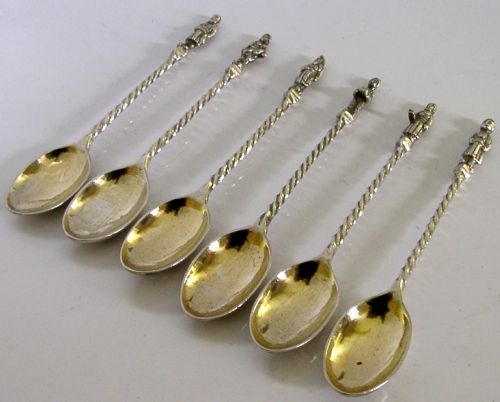
Silversmiths formed the accompanying spoons from sterling silver, frequently applying translucent guilloché enamel over engine-turned metal or adding gold gilt finishes. Cased sets often utilised fitted wooden boxes lined with satin and velvet to protect the delicate components.
Demitasse Set Retail Price Guide 2026
Typical asking prices for demitasse set among the pieces listed under this phrase on Sellingantiques today, from the lower quarter to the upper quarter. They describe what is for sale here now, not the wider market.
Some Victorian spoons feature bean-shaped finials, giving rise to the charming collector term bean knop.
Judging quality and execution
Quality rests on the crispness of the porcelain body and the precision of any hand-painted details. Finer cups display translucent walls and cleanly applied gold leaf without rubbing or fading.
For the accompanying silver, the thickness of the metal, the integrity of the enamel work, and the clarity of the assay marks distinguish standard production items from superior workshop output.
Turner and Simpson·David Andersen·Clarice Cliff·Royal Worcester·Elkington·Meissen·Coalport·Hutschenreuther
The Demitasse Set Glossary
- Demitasse
- A small cup used for serving strong black coffee or espresso. The term translates from French as half-cup.
- Guilloché enamel
- A decorative technique where intricate geometric patterns are mechanically engraved into metal and covered with transparent enamel. This method creates a shimmering depth across spoon handles.
- Cabinet cup
- A decorative ceramic cup and saucer produced primarily for display in a cabinet rather than daily use. These pieces often feature elaborate handles and hand-painted scenes.
- Silver-gilt
- Sterling silver that has been coated with a thin layer of gold. This treatment provides a rich golden appearance while maintaining a solid silver base.
Demitasse Set: Frequently Asked Questions
What is a demitasse set used for?
These sets are designed for serving espresso or strong black coffee at the conclusion of a formal meal. The smaller vessel size concentrates the rich aroma and flavour of the brew.
Historically, they formed part of a host's formal dining silver and porcelain display, often brought out only for guests on special occasions.
How do I clean antique silver spoons?
Silver spoons benefit from gentle washing in warm, soapy water followed by immediate drying with a soft cloth. Avoid abrasive dips or harsh scrubbing that can damage delicate enamel work.
Enamelled pieces require particular care to protect the glass coating from scratching or thermal shock.
Can I use these cups for everyday coffee?
Many older porcelain cups remain entirely functional, though fragile antique gilding and hand-painted details require hand washing. Enamelled silver spoons should also be washed by hand rather than placed in a machine.
Careful handling ensures these historic items survive for continued use at the table.
How do I identify the period of a set?
Makers' marks stamped on the base of porcelain or hallmarked onto silver provide the most reliable dating evidence. Stylistic indicators such as Art Deco geometric lines or Victorian floral decoration also help narrow down the era.
Matching presentation boxes often retain original retailer stamps from establishments like Harrods.