



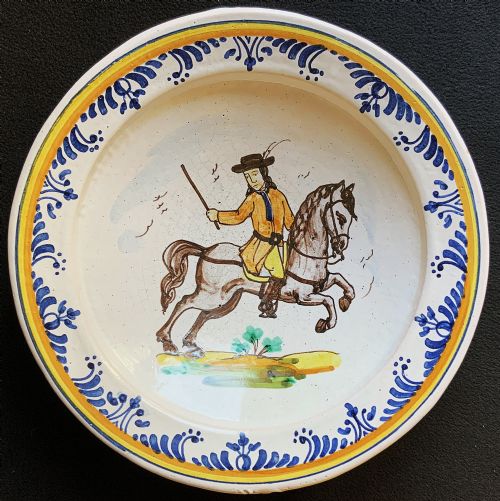


Delft Pottery Plate
These delft pottery plate examples are tin-glazed earthenware dishes that bring centuries of European ceramic tradition directly to your table or wall.
Delft Pottery Plate
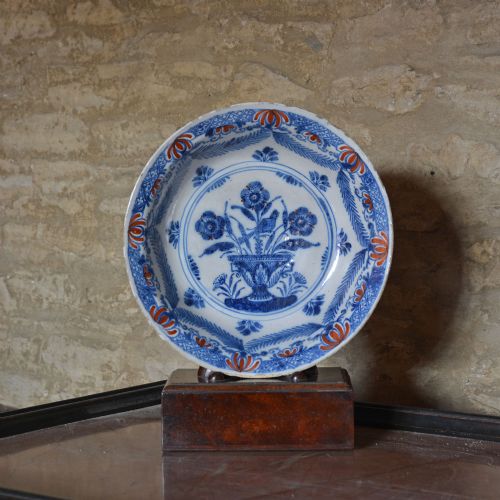
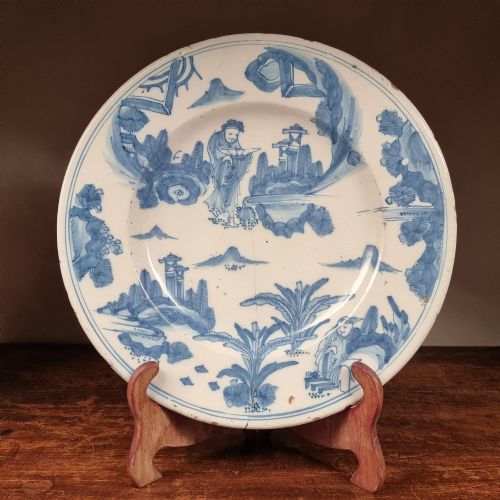
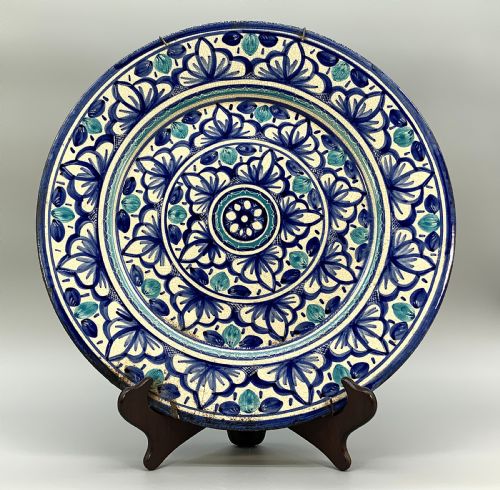
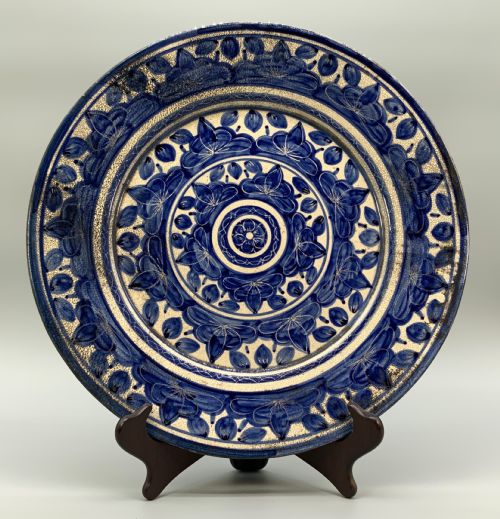
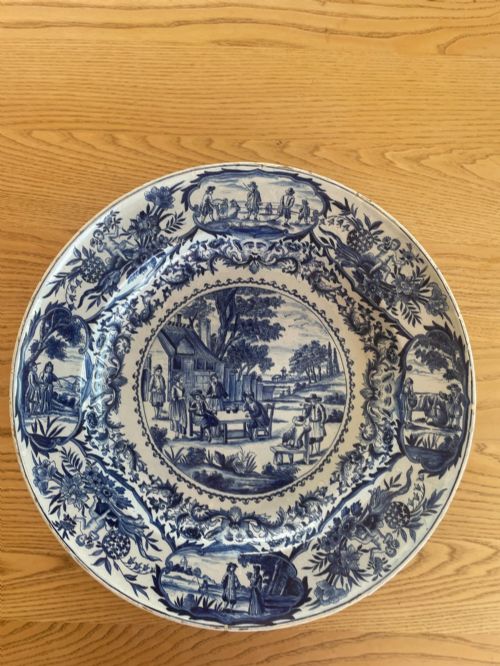
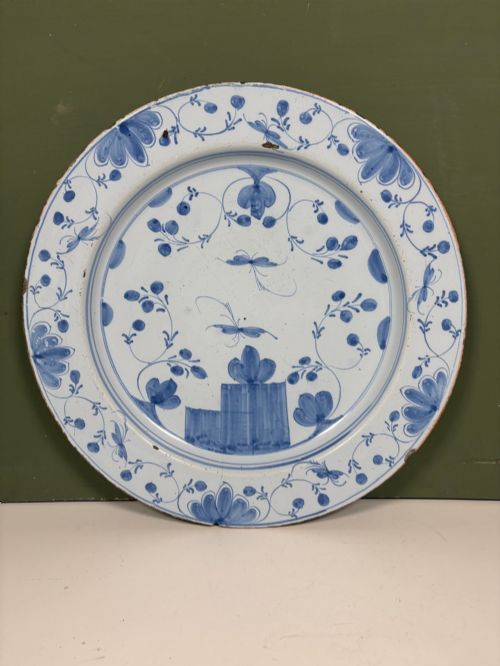
When you search for a delft pottery plate, you encounter a variety of earthenware dishes spanning from the seventeenth century through to the nineteenth century, alongside twentieth-century continental interpretations. The forms range from small dinner plates and shallow bowls to substantial chargers designed primarily for display rather than dining.
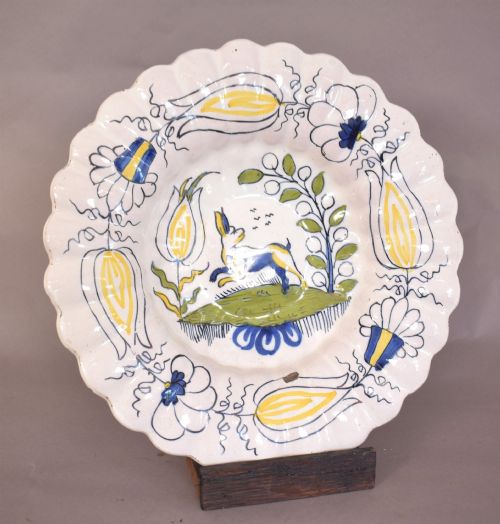
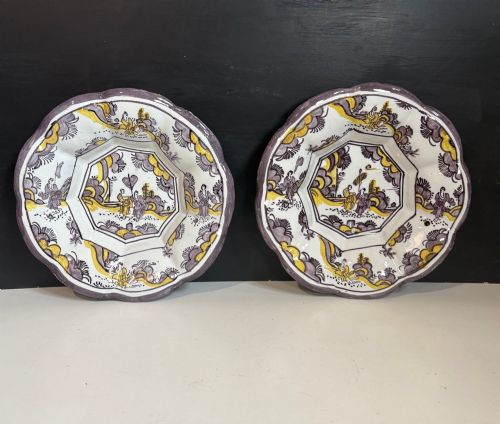
The pieces originate predominantly from English, Dutch, and Spanish workshops, reflecting diverse regional tastes and painting traditions. Dutch examples often display classical blue and white motifs or manganese tones, while English plates from centres such as Lambeth frequently incorporate polychrome and Chinoiserie palettes.
Materials and production methods
Potters shaped local clay into earthenware bodies before coating them in a thick tin glaze that provided an opaque white background for subsequent painting. Artisans applied cobalt pigment directly onto this porous unfired glaze, a technique known as grand feu that caused the metallic oxide to blur slightly into the white surface.
Polychrome decoration required additional mineral pigments such as copper, antimony, and iron, allowing makers to achieve varied colour schemes beyond traditional blue and white. Firing took place in wood or coal-fuelled kilns, where fluctuating temperatures often left distinct stilt marks on the reverses of the plates.
Delft Pottery Plate Retail Price Guide 2026
Typical asking prices for delft pottery plate among the pieces listed under this phrase on Sellingantiques today, from the lower quarter to the upper quarter. They describe what is for sale here now, not the wider market.
Early potters occasionally left tiny thumbprints trapped in the wet glaze, offering a silent, permanent wave across the centuries.
Judging quality and execution
The fineness of the hand-painted brushwork dictates much of the distinction between standard domestic wares and masterworks made for wealthy patrons. Crisp detailing in Chinese-inspired or floral motifs shows a confident hand, whereas hurried strokes yield blurred outlines and muddy colour separation.
The smoothness and opacity of the tin glaze also signal the standard of production, as thin or uneven glazing exposes the darker earthenware body underneath. Furthermore, plates that maintained their circular shape through the intense heat of the kiln without severe warping represent superior ceramic skill.
The Delft Pottery Plate Glossary
- Tin-Glazed Earthenware
- Pottery covered with a lead glaze made opaque by the addition of tin oxide. This white surface served as a canvas for painted decoration before the final firing.
- Charger
- A large decorative plate measuring significantly wider than a standard dining dish. These pieces were usually hung on walls or stood on sideboards rather than used for food.
- Grand Feu
- A ceramic firing technique where the pigment and tin glaze are fired together at a high temperature. This method fuses the cobalt blue into the glaze, creating a characteristic softness of line.
- Polychrome
- Decoration employing multiple distinct colours rather than a single hue like blue or manganese. These palettes typically included yellows, greens, and reds alongside the traditional blue pigment.
- Chinoiserie
- European artistic styles reflecting Chinese motifs and landscapes. Painters adapted these oriental scenes onto earthenware dishes to satisfy a widespread continental demand for exotic imagery.
Delft Pottery Plate: Frequently Asked Questions
Can I use antique delft plates for food?
Using these antique earthenware dishes for daily dining is generally discouraged due to the fragile nature of the tin glaze and historical composition. Centuries of age leave the porous ceramic body susceptible to moisture and staining.
Displaying them on plate racks or mounting them securely on walls preserves the painted surfaces safely away from accidental knocks and kitchen utensils.
How do I distinguish English from Dutch plates?
English pieces, such as those from Lambeth potteries, frequently exhibit softer earthenware bodies and varied polychrome palettes including lively orange and green tones. Dutch plates often lean towards classical blue and white or manganese purple designs with distinct botanical borders.
The footrims and glaze characteristics on the reverses also offer subtle clues regarding regional kiln practices during the seventeenth and eighteenth centuries.
Why do some plates have marks on the back?
The small triangular or circular marks visible on the reverse of many pieces are stilt scars left by the ceramic supports used inside the kiln. These props prevented the glaze on the front of the plate from fusing to neighbouring items during high-temperature firing.
Such manufacturing traces are entirely normal and help authenticate the traditional production methods used by historical potters.
What is a charger plate?
Chargers are exceptionally large plates created primarily for decorative display on sideboards or walls rather than for serving meals at the dining table. Their generous surface area provided artisans with a wide canvas for elaborate pastoral, floral, or Chinoiserie scenes.
Wealthy households utilised these substantial dishes to showcase status and aesthetic taste throughout the seventeenth and eighteenth centuries.