





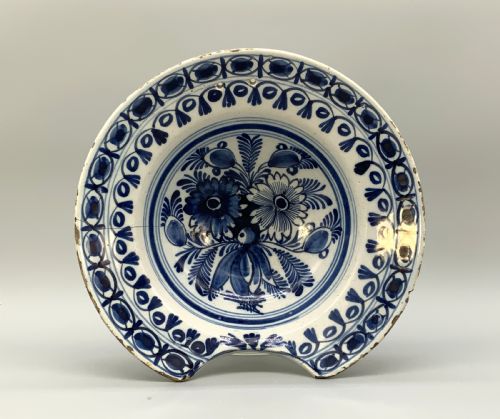


Delft Pottery Dishes
Delft pottery dishes are tin-glazed earthenware vessels spanning the seventeenth and eighteenth centuries, prized for their painted blue and white or polychrome decoration.
Delft Pottery Dishes
When you search for delft pottery dishes, you encounter an array of chargers, plates, bowls, and specialist forms like barber's bowls and sweetmeat presentiers. The nineteenth and twentieth centuries appear rarely, whereas seventeenth and eighteenth-century examples dominate the selection entirely.
The objects take many forms, from large decorative chargers designed for display on sideboards to small plates and lobbed dishes. English, Dutch, Spanish, and Moorish styles emerge across the period range, reflecting diverse regional production centres.
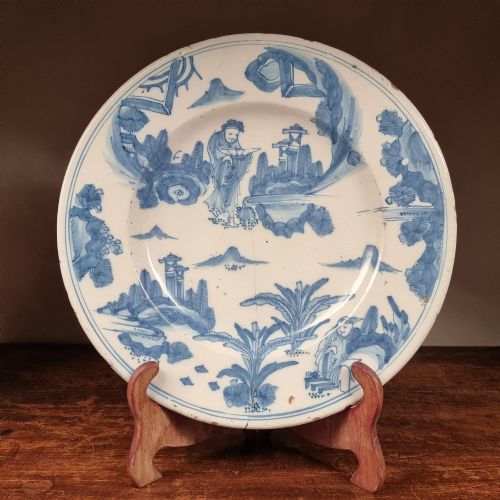
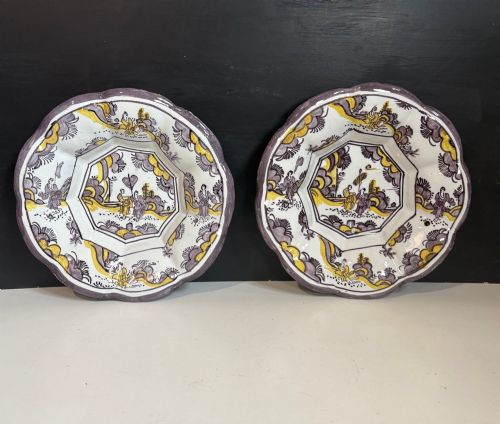
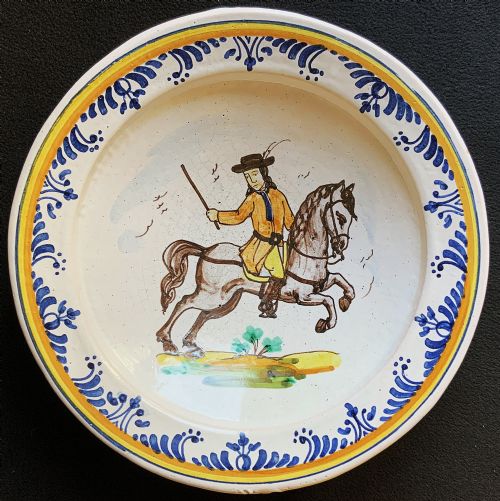
Blue and white painting forms the primary visual language, though polychrome pieces featuring orange, yellow, and green pigments appear regularly. Chinoiserie motifs and Kraak inspirations connect these European earthenwares directly to imported Asian porcelain designs.
Materials and methods
Makers shaped ordinary clay into earthenware bodies, which were then fired before receiving a liquid tin glaze. This opaque white glaze created a smooth, light surface that imitated the appearance of expensive Chinese porcelain.
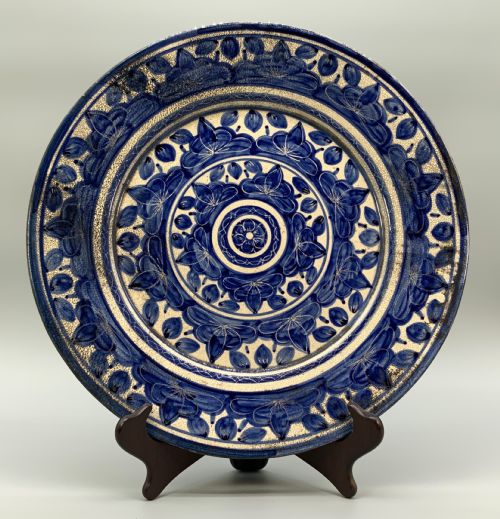
Painters applied cobalt pigment and other metallic oxides directly onto the raw, absorbent tin glaze before the final kiln firing. Cobalt oxide produced the characteristic intense blue, whilst polychrome palettes incorporated additional mineral pigments for varied hues.
Delft Pottery Dishes Retail Price Guide 2026
Typical asking prices for delft pottery dishes among the pieces listed under this phrase on Sellingantiques today, from the lower quarter to the upper quarter. They describe what is for sale here now, not the wider market.
Listings feature earthenware bodies covered in opaque tin glaze, decorated with cobalt pigment and various mineral oxides across the seventeenth and eighteenth centuries.
Judging quality and character
The crispness of the painted brushwork distinguishes superior examples from simpler utilitarian wares. Confident, fluent brushstrokes in cobalt pigment indicate skilled painters working within established ceramic workshops.
The purity and opacity of the white tin glaze affect the overall visual impact of the piece. Glazes that cover the earthenware body evenly without excessive pooling or crawling elevate the standing of a charger or plate.
The Delft Pottery Dishes Glossary
- Tin Glaze
- An opaque white ceramic glaze containing tin oxide, providing the characteristic smooth surface for painted decoration. This formulation allowed European potters to mimic the look of imported tin-glazed pottery and porcelain.
- Charger
- A large decorative plate primarily intended for display on walls or sideboards rather than dining use. These wide earthenware vessels often showcase the most ambitious painted scenes.
- Polychrome
- Decoration utilising multiple colours rather than a single pigment like cobalt blue. Eighteenth-century examples frequently combine yellow, orange, and green alongside blue.
- Chinoiserie
- European interpretations of Chinese artistic motifs and landscapes, popular on eighteenth-century plates. Painters adapted oriental figures and flora to fit circular earthenware formats.
- Barber's Bowl
- A specialist shallow dish featuring a semi-circular cutout, historically used during shaving. Examples in tin-glazed earthenware often include small integrated ledges for soap.
Delft Pottery Dishes: Frequently Asked Questions
How are delft dishes dated?
Dating relies on stylistic shifts, tin glaze characteristics, and recorded workshop practices from the seventeenth and eighteenth centuries. Cobalt shades and motif styles help narrow down the period of production.
Changes in clay body thickness and glaze opacity further assist in distinguishing seventeenth-century chargers from later eighteenth-century English and Dutch plates.
Were these dishes used for dining?
Larger chargers and decorative dishes served primarily for display on walls or sideboard dressers during the seventeenth and eighteenth centuries. Smaller plates saw actual use at the table despite the delicate nature of tin glaze.
Specialist vessels like sweetmeat presentiers and barber's bowls fulfilled specific domestic and grooming functions rather than everyday dining tasks.
What is the difference between Dutch and English delft?
Dutch production often featured intense cobalt blue painting and detailed Kraak or Chinoiserie patterns influenced by imported trade goods. English potteries, such as those in Lambeth, developed distinct regional palettes and local earthenware bodies.
Both traditions relied on tin-glazed earthenware techniques, yet subtle variations in glaze tone and brushwork separate the two origins.
Why do some pieces show polychrome colours?
Makers added mineral pigments alongside cobalt oxide to achieve vibrant multi-coloured surfaces on eighteenth-century plates and chargers. Yellow, green, and orange oxides expanded the decorative potential beyond simple blue and white.
These polychrome designs frequently appeared on Spanish and English earthenware dishes, introducing warmth and complexity to the painted scenes.